Zagreb as a more affordable option in Central Europe
Compared with other Central European capitals, Zagreb remains a relatively affordable destination, both in accommodation and in food and transport. Even so, a few simple choices can stretch a travel budget even further without missing out on the city.
Accommodation: apartments and slightly outlying areas
Choosing an apartment over a traditional hotel is often cheaper, especially for multi-day stays or group travel. Apartment Srijemska 23 is an example of this type of accommodation, which allows travelers to split costs and prepare some meals instead of always eating out. Hugo Apartments is another alternative worth considering, with a good location and the flexibility typical of a fully equipped apartment.
Food and drink without overspending
The Dolac market is a great place to buy fruit, cheese and local produce at lower prices than restaurants. Many neighborhood cafes, away from the busiest tourist areas, offer coffee and small meals at quite reasonable prices. Lunch menus, available at many restaurants during the week, tend to be an affordable way to try local cuisine without paying dinner prices.
Transport and free activities
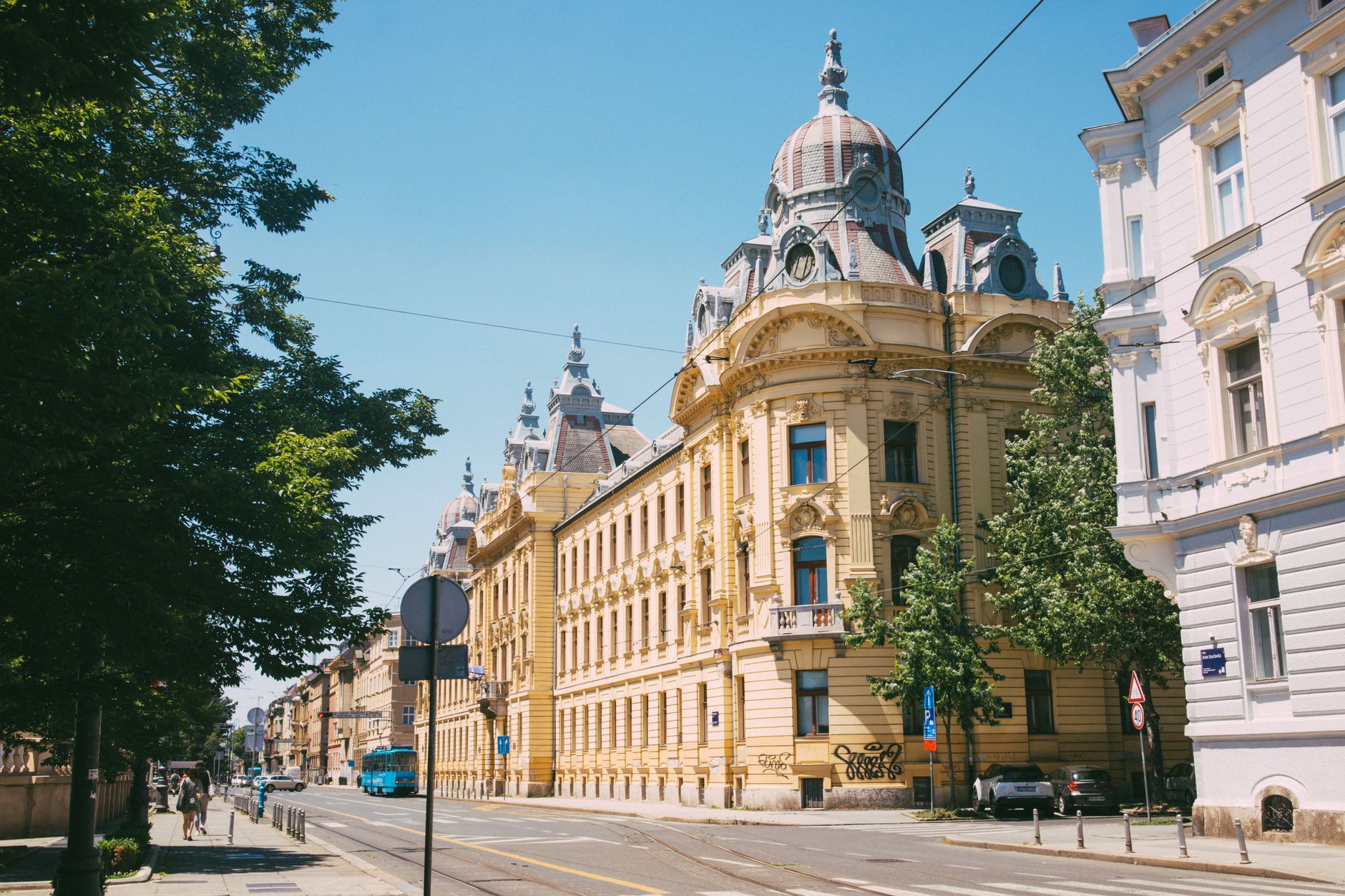
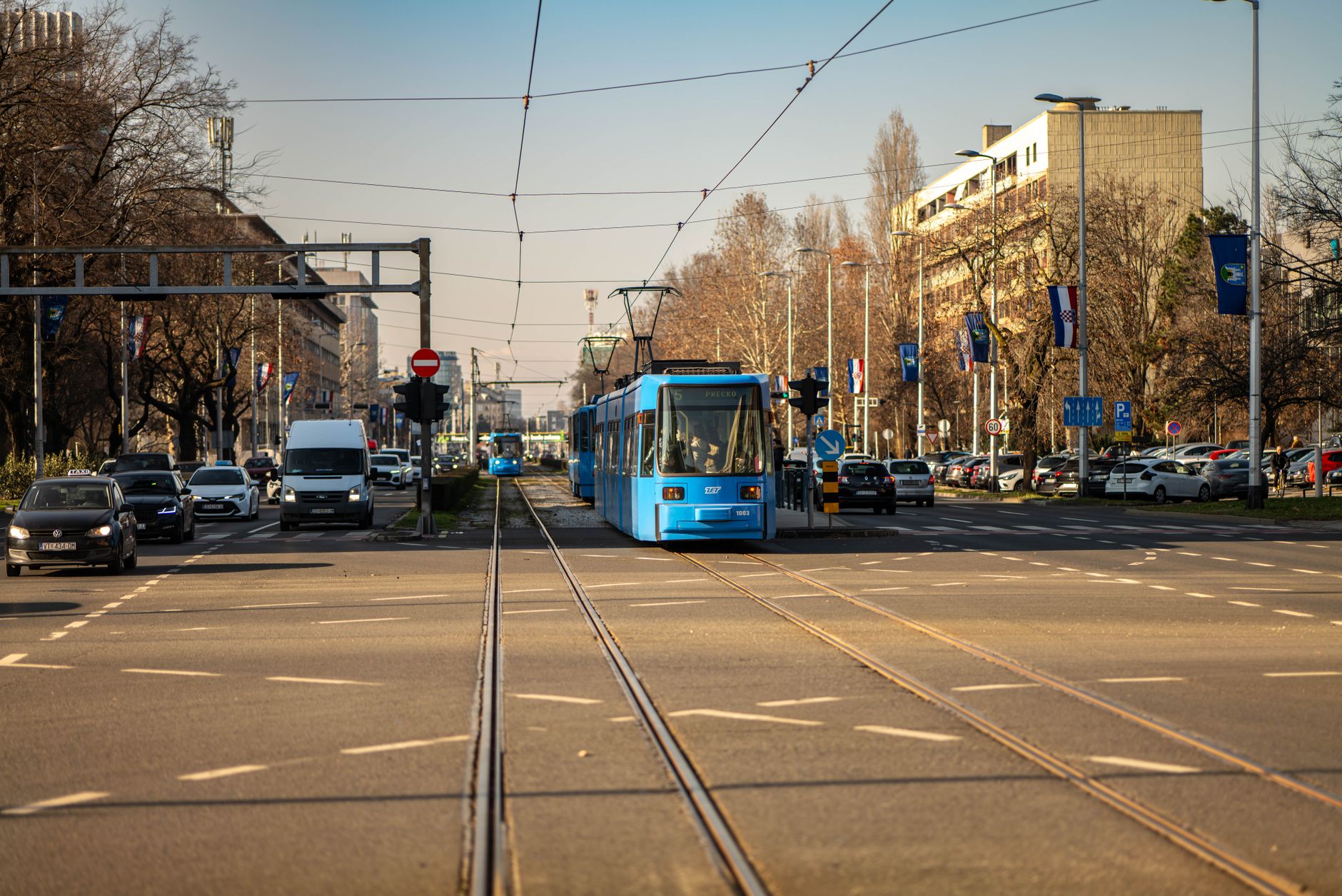
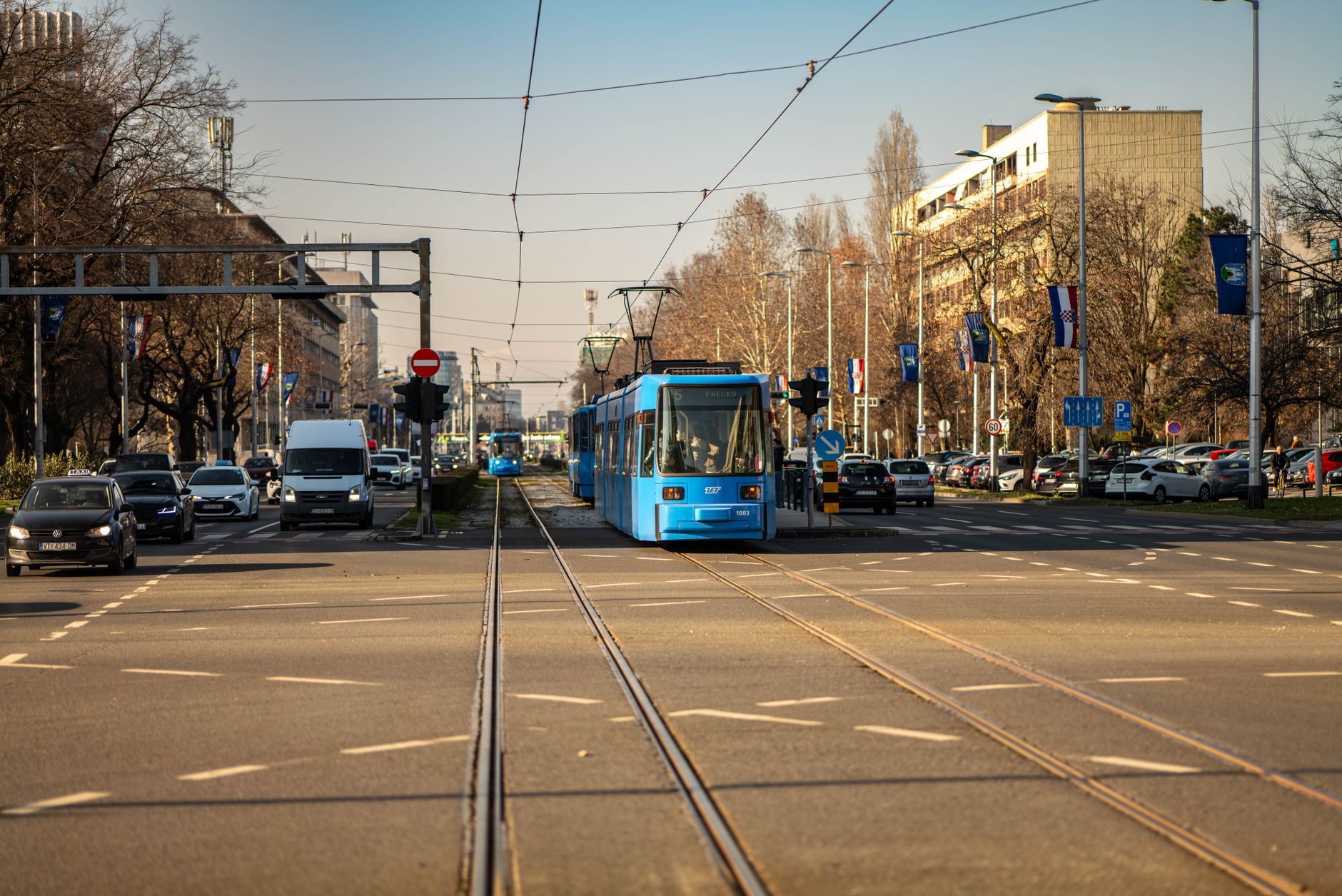
Zagreb's tram network is efficient and inexpensive, and the historic center itself is compact enough to explore entirely on foot, which further reduces the need to spend on transport. Walking through the Upper Town, the Green Horseshoe parks or along the banks of the Sava river are all free activities that can easily fill a whole day.
Planning ahead to save more
Booking accommodation somewhat in advance, especially outside the busy summer season, tends to secure lower prices. Traveling in spring or autumn, besides bringing more pleasant temperatures, usually results in more attractive accommodation and flight rates than during peak tourist months.
Free and discounted museum entry
Several of Zagreb's museums and cultural spaces offer free entry days or hours, especially during the annual Museum Night, an event when most of the city's institutions open their doors free of charge until late. It is worth checking the cultural calendar before your trip, since these events can add up to significant savings for travelers who enjoy museums but do not want to skip them because of budget concerns. Many churches in the historic center, including the cathedral, also offer free entry, making them a good way to experience part of the city's heritage at no extra cost.
Smart shopping and drinking tap water
Ilica street and the surrounding lanes are home to both branded shops and small neighborhood grocery stores, where prices tend to be considerably more inviting than in the more touristy area around Ban Jelačić Square. Tap water in Zagreb is safe to drink, so carrying a reusable bottle avoids repeatedly buying bottled water throughout the day, a small saving that adds up over a multi-day stay. Traveling with a small group also opens up further savings, since many apartments charge per unit rather than per person, making the per-traveler cost drop noticeably compared with solo travel.
Compare accommodation prices in Zagreb and plan a Croatia trip that fits your budget.