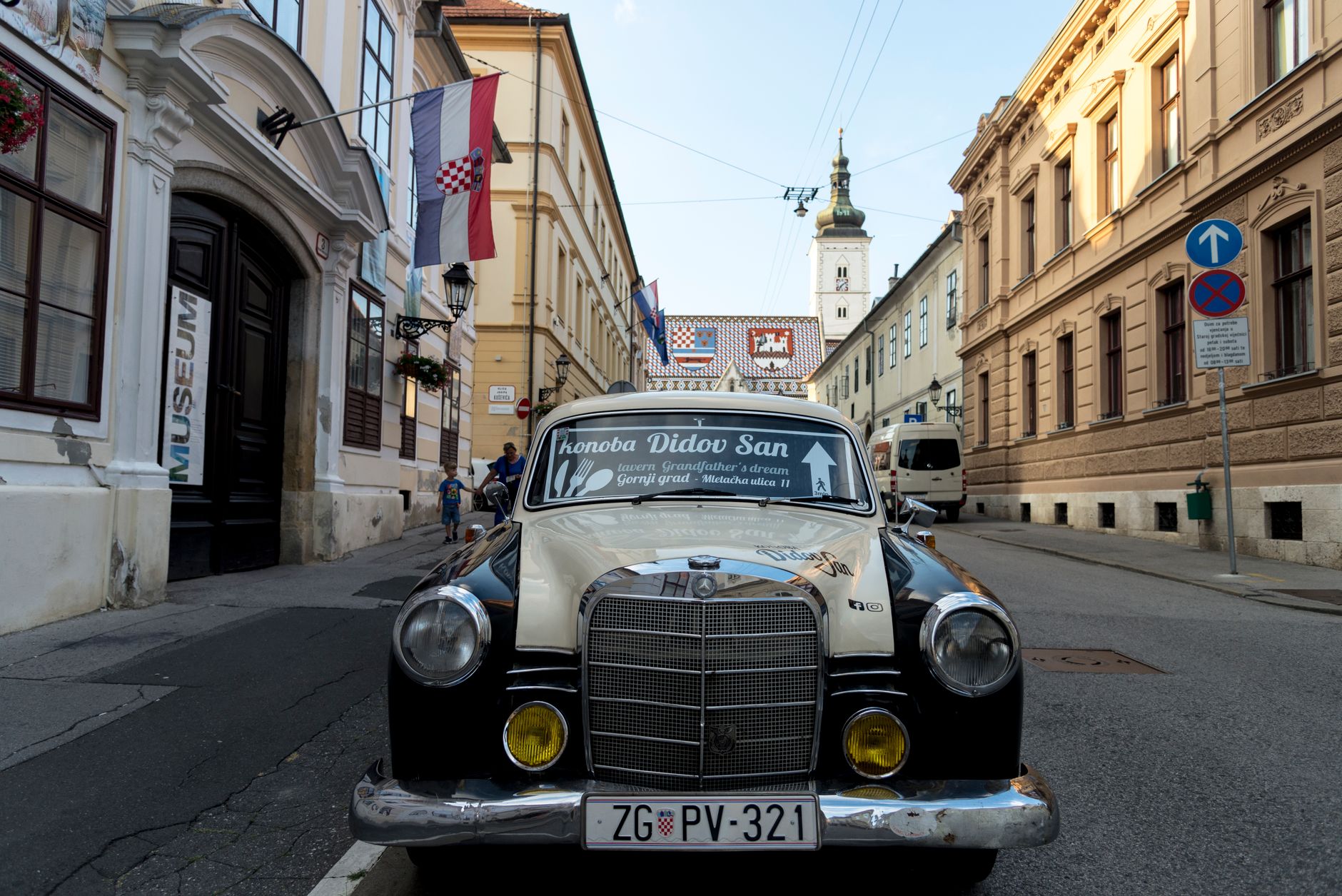
Spring: parks in bloom and mild temperatures
Between April and May, Zagreb comes alive with the Green Horseshoe parks in bloom and pleasant temperatures for walking through the Upper and Lower Towns. It is also a season with fewer tourists than summer, which translates into more moderate accommodation prices and less crowded terraces.
Summer: festivals and outdoor life
June through August bring long days and a packed calendar of outdoor festivals, including music and cultural events that fill the streets of the center. It is the most popular time to visit, which also means more tourists and higher accommodation prices, especially in July and August.
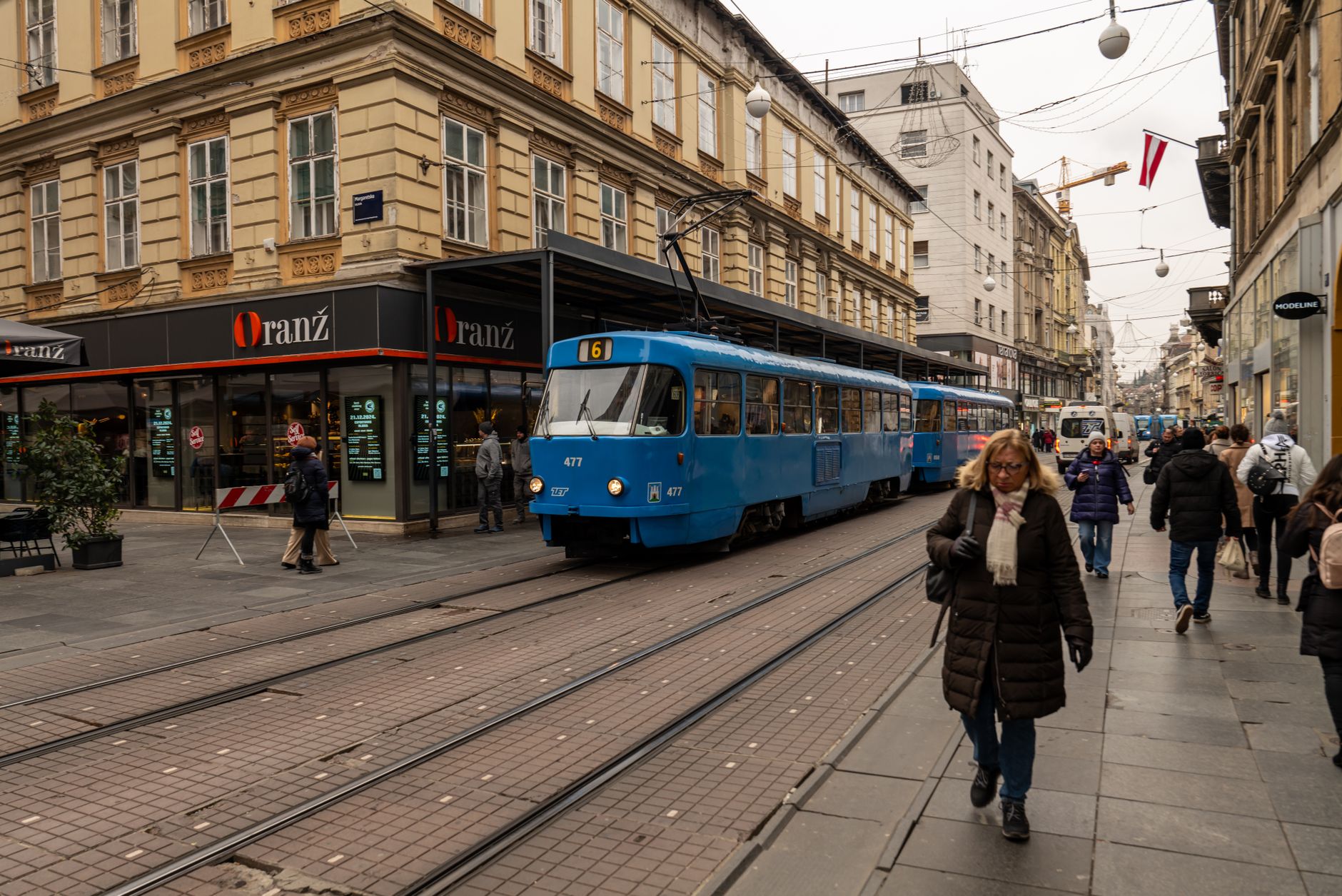
During this time of year, Hugo Apartments is a good option for travelers who want to be close to the buzz of the center while still having the extra space an apartment provides.
Autumn: colors and fewer crowds
September and October bring cooler temperatures, the leaves in the parks turning color, and a noticeably calmer city than at the height of summer. It is one of the favorite seasons for travelers looking for a balance between good weather and smaller crowds, with the added bonus of more attractive accommodation prices.
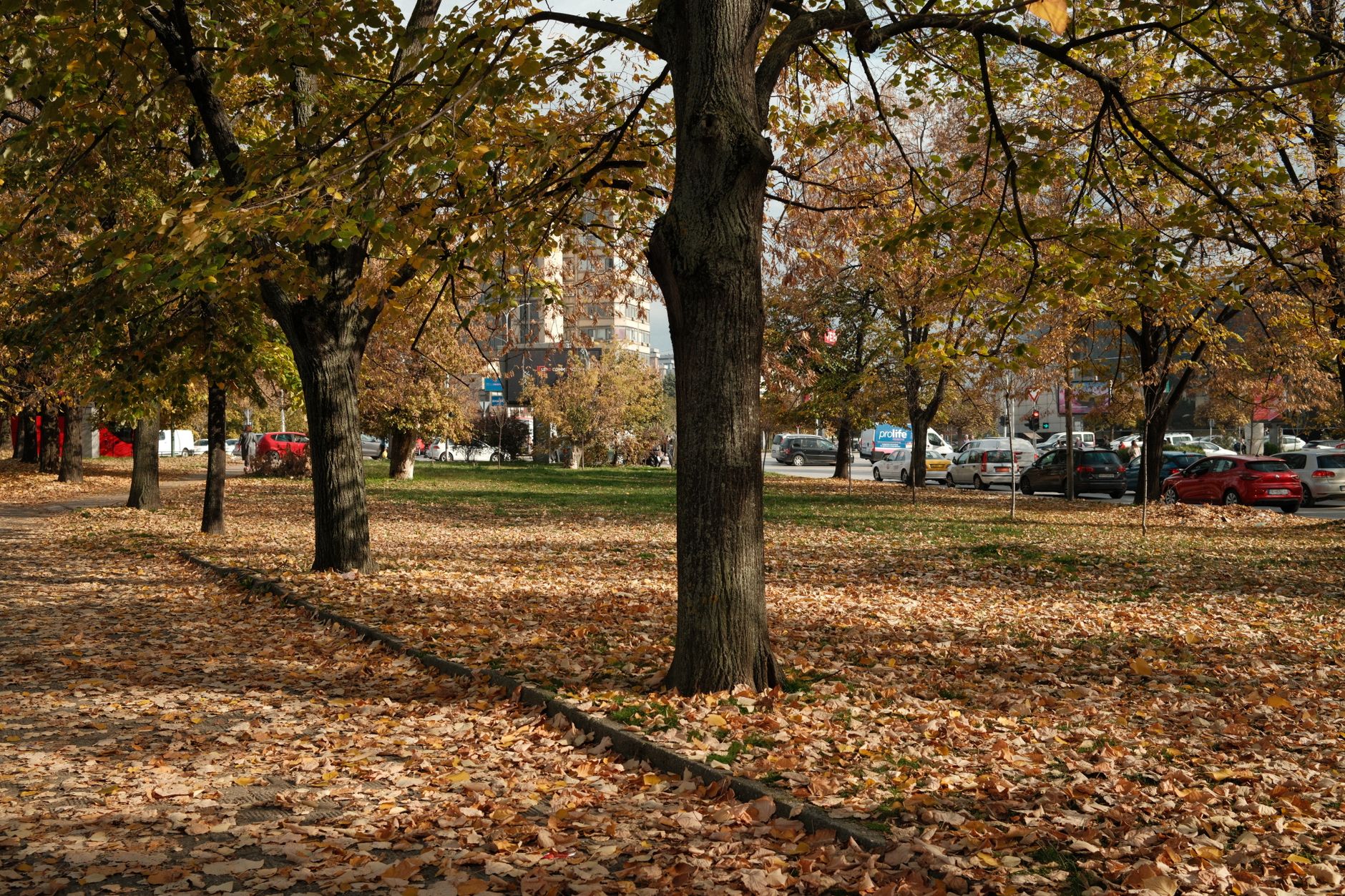
Apartment Srijemska 23 is a practical choice during this season, with a good location for exploring the city on foot without major lines or crowds along the way.
Winter: Christmas markets and a cozy atmosphere
December is a special month in Zagreb thanks to its Christmas markets, considered among the best in Europe, which turn the Upper Town and Ban Jelačić Square into a festive scene of food stalls, mulled wine and music. Outside this period, winter brings cold temperatures and short days, but also fewer tourists and lower prices.
A year-round destination
Unlike many European destinations with a sharply defined high season, Zagreb remains an interesting place to visit throughout the year, since much of what it offers, from museums to cafes to covered spaces, does not depend heavily on the weather. This means that, unlike beach or mountain destinations, choosing when to go depends more on the kind of experience you want than on conditions that would make a visit impractical. Travelers who prefer fewer crowds and lower prices should avoid July, August and the days right before Christmas, while those looking for the festive market atmosphere should book precisely for that period.
For a first visit, spring or early autumn tend to offer the most balanced conditions: pleasant temperatures for walking around the city, good availability of accommodation, and still enough daylight to enjoy both the historic center and any nearby day trips, such as Plitvice Lakes or the Zagorje region. Whichever season you pick, it is always worth checking the national holiday calendar before booking, since some attractions and services may run on reduced hours around those dates. Checking that calendar in advance can save a wasted trip to a closed museum and helps set realistic expectations for opening times throughout the stay.
Compare accommodation in Zagreb across the different seasons and pick the right dates for your trip to Croatia.