A city that still flies under the radar
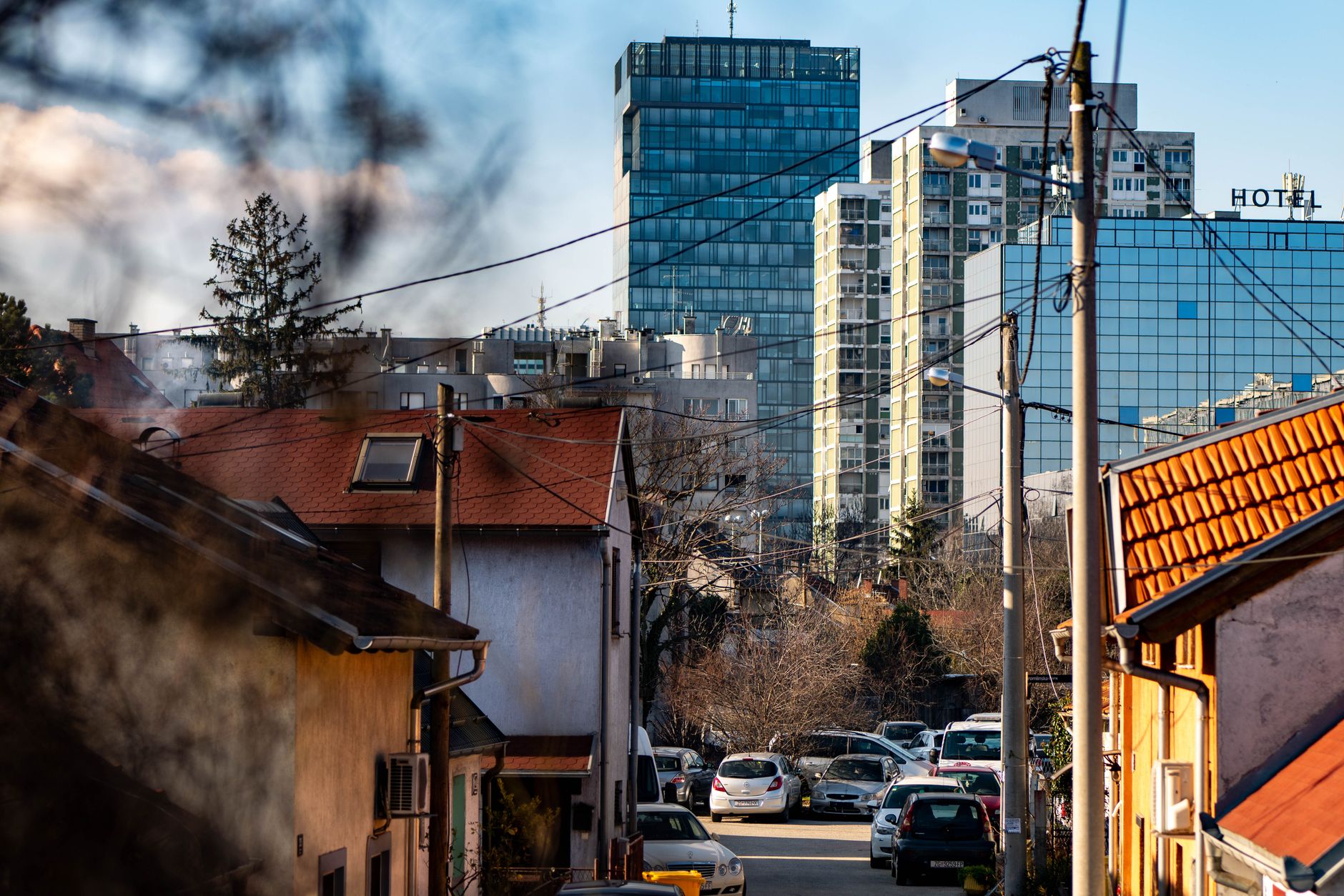
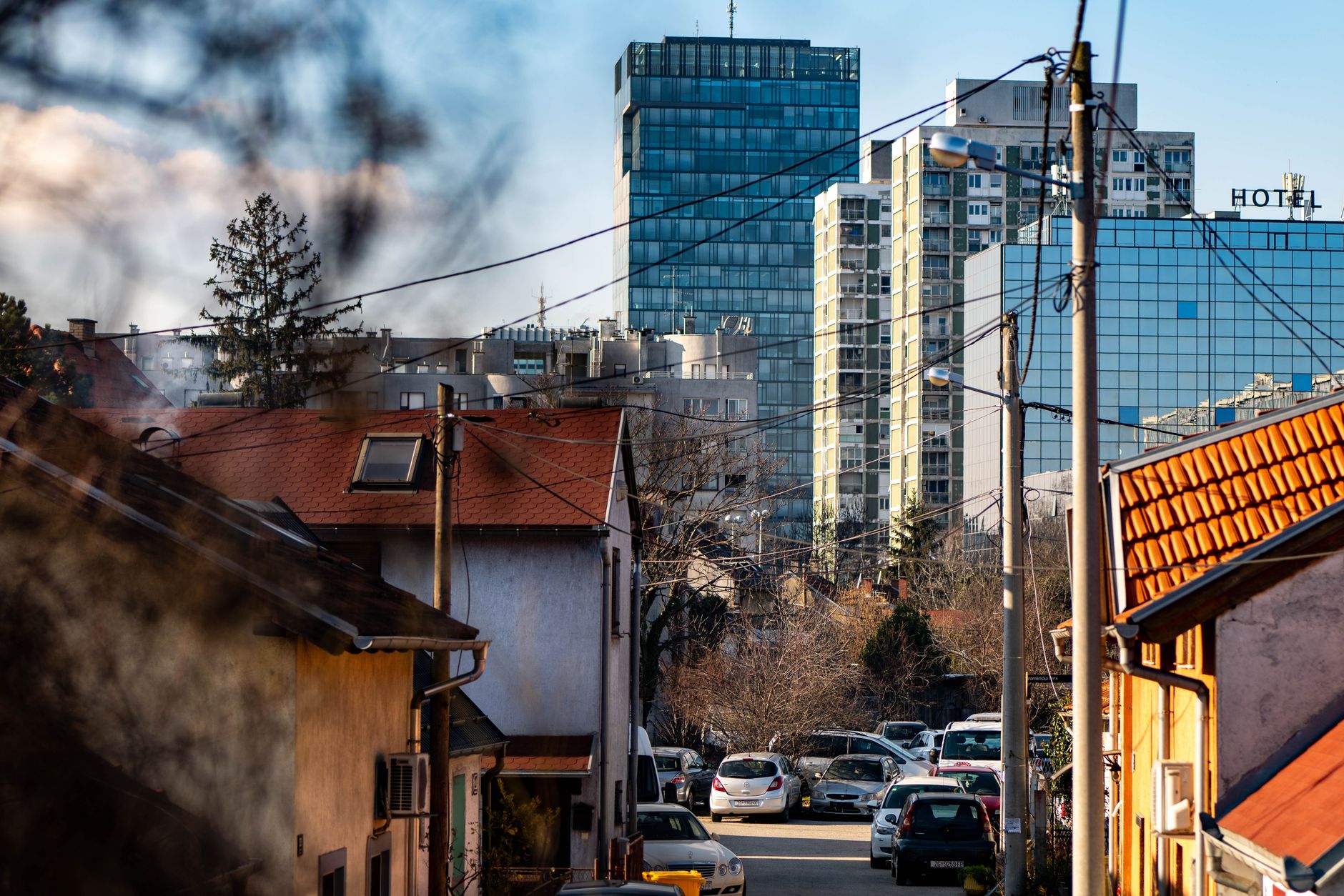
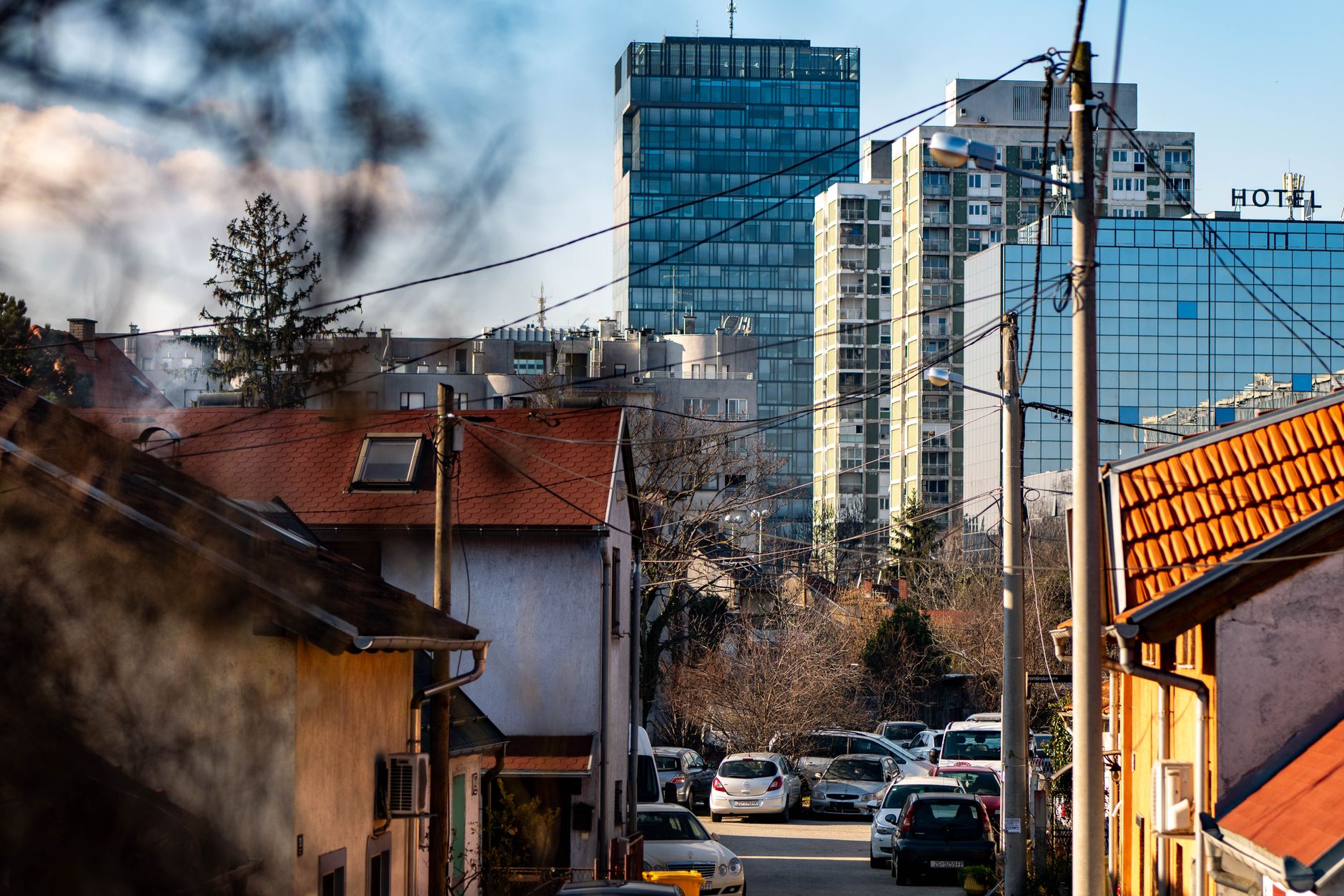
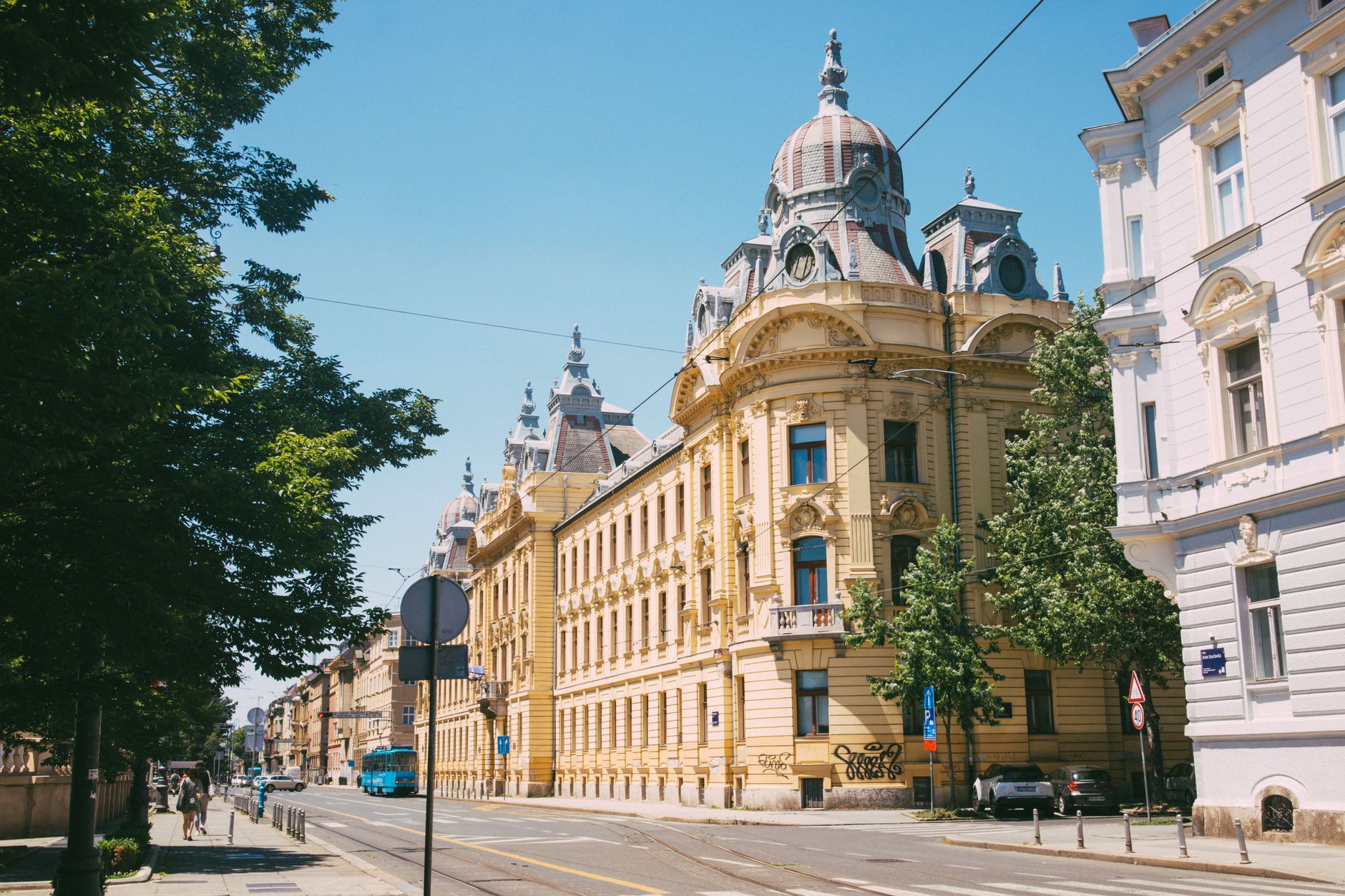
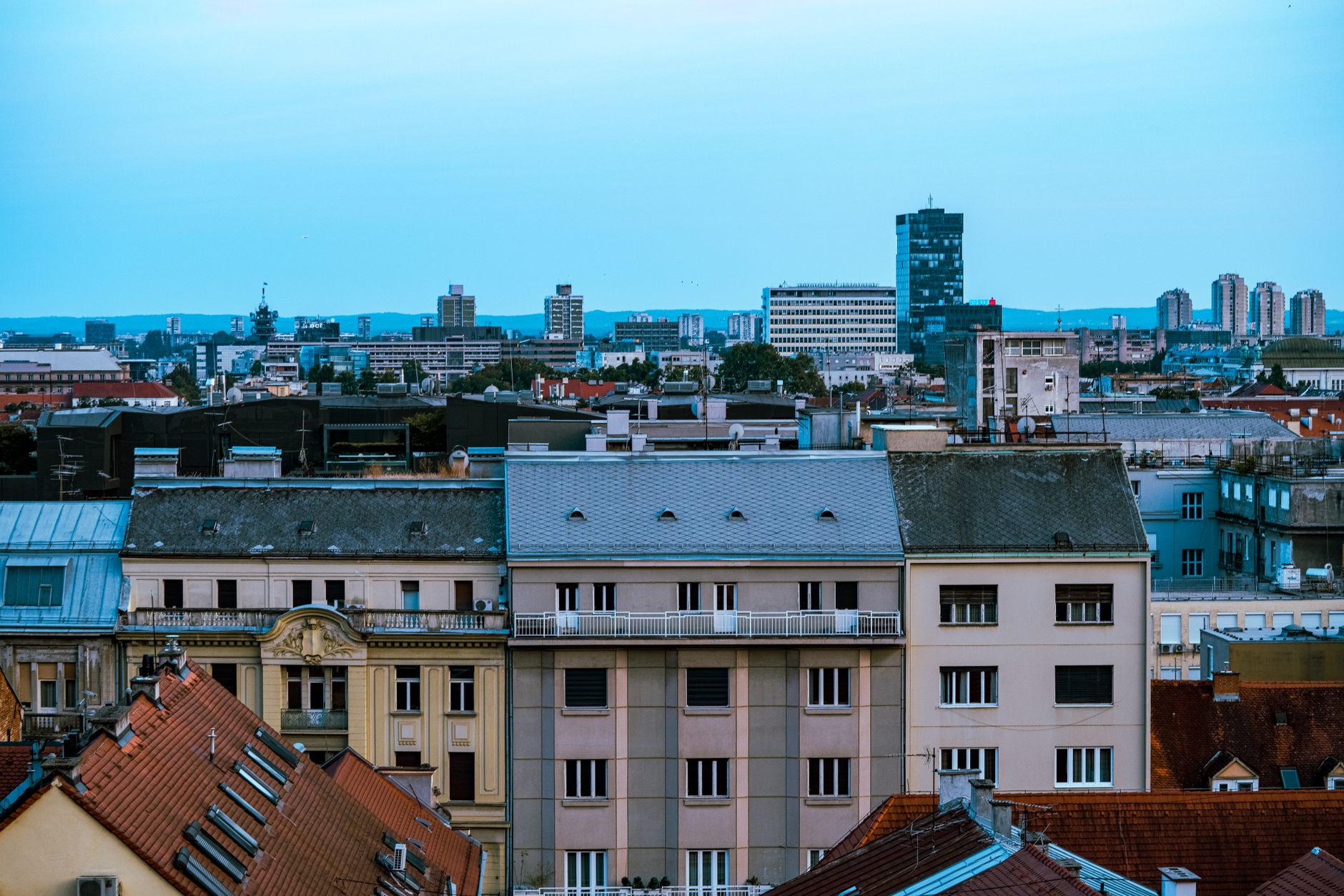
Zagreb, the Croatian capital, tends to live in the shadow of the Dalmatian coast and cities like Split or Dubrovnik, but it fully deserves a visit in its own right. With a compact historic core, well-preserved Austro-Hungarian architecture and a cafe culture that spills onto the streets almost year-round, Zagreb works well both as a standalone destination and as a base for exploring inland Croatia.
Upper Town and Lower Town: two distinct atmospheres
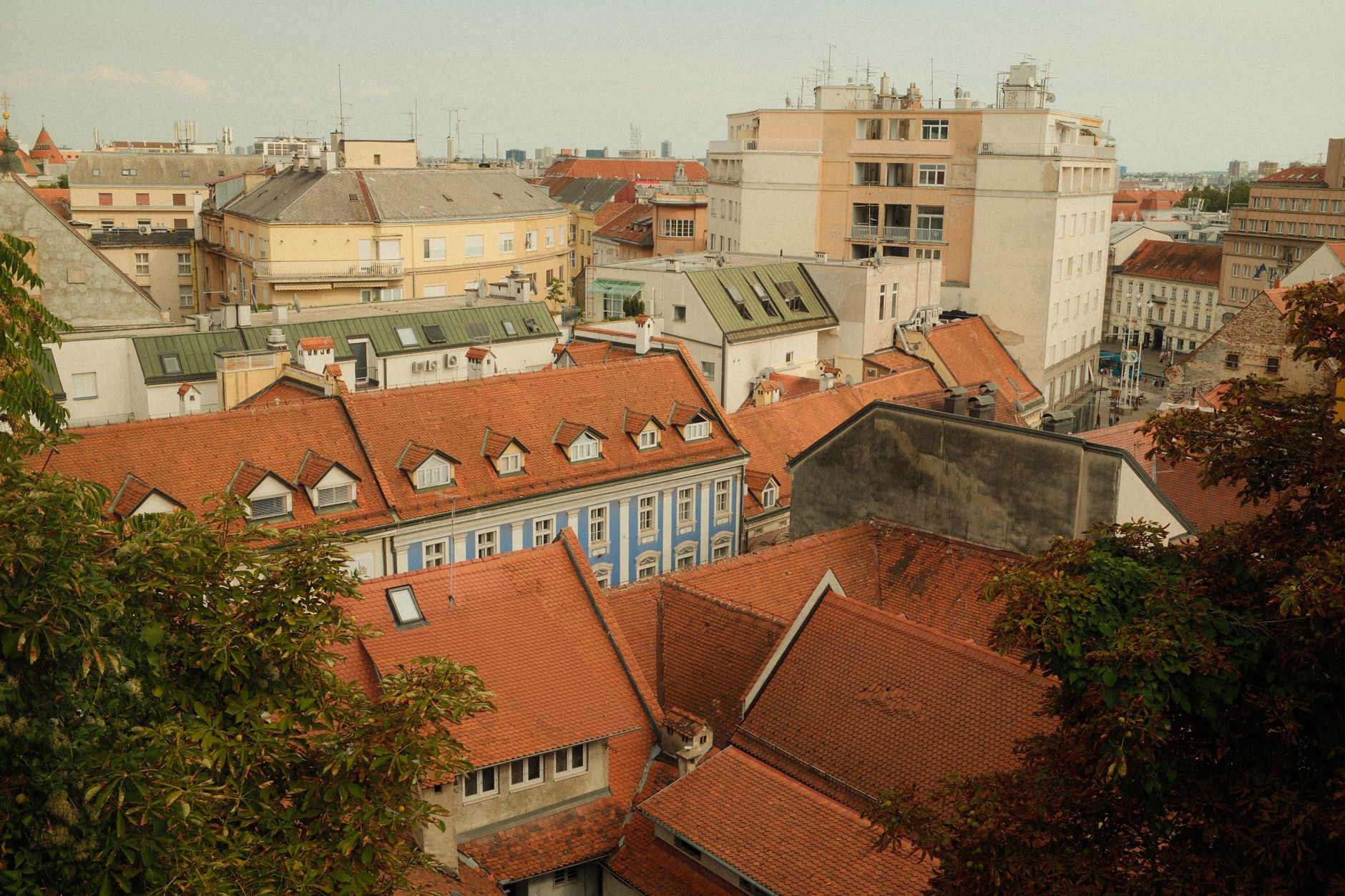
Zagreb's historic center is traditionally split into Gornji Grad, the Upper Town, with cobbled streets, the cathedral and the medieval quarter, and Donji Grad, the Lower Town, home to the main museums, the Dolac market and the large landscaped squares. It is worth setting aside at least a full day just to wander these two areas at a relaxed pace, taking the historic funicular that connects them.
Where to stay to make the most of the city
For a first visit, choosing accommodation close to the center makes exploring on foot much easier. Hugo Apartments sits in a practical area for travelers who want to be near the main sights while still having the independence of an apartment with its own kitchen. Apartment Srijemska 23 is another alternative worth considering for travelers looking for apartment-style accommodation with a good balance of location and privacy.
Food, markets and cafe culture
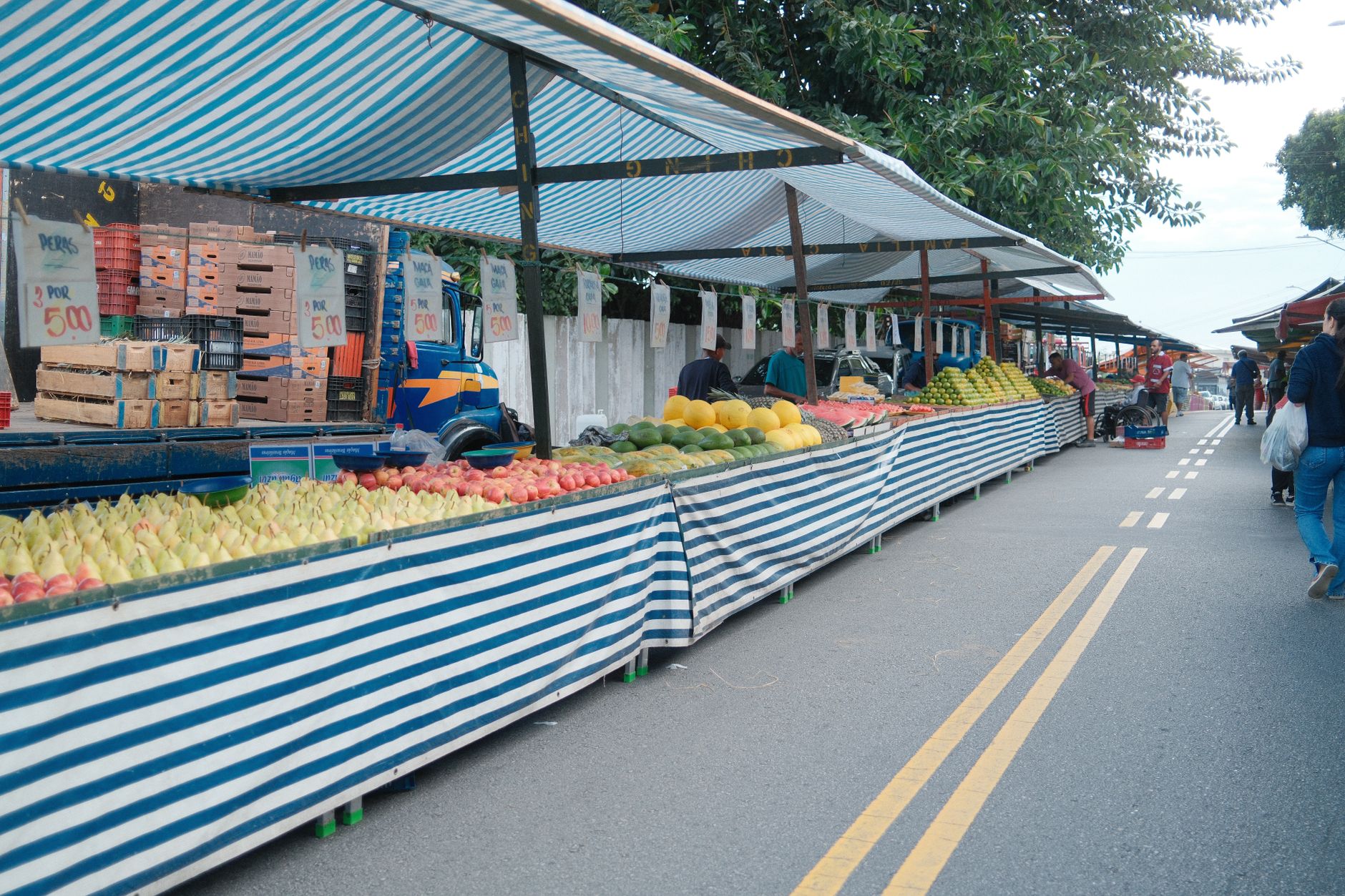
Zagreb's food scene blends Central European influences with Mediterranean touches, reflecting Croatia's position between these two culinary traditions. The Dolac market, right in the center, is the best place to sample local produce and feel the daily rhythm of the city. In the afternoon, sitting at an outdoor cafe on Tkalčićeva street is part of any visit to Zagreb, even for travelers not planning a long stay.
Zagreb as a base for day trips
Beyond the historic center, Zagreb is an excellent base for day trips to Plitvice Lakes, one of Europe's best-known national parks, or for exploring the Zagorje wine region north of the city. These trips are easy to organize from the capital, whether by public transport or through an organized tour.
Travelers continuing their journey to the coast afterward might consider a destination like Pula, in Istria, which offers a completely different atmosphere from inland Croatia.
Getting around the city
Zagreb has an extensive and easy-to-use tram network that covers nearly the entire urban area and connects the historic center to the outer neighborhoods. For most visitors, though, the center is compact enough to explore on foot, leaving the trams mainly for trips to the train station, the airport or residential areas outside the usual tourist circuit. Tickets can be bought at kiosks around the city or directly on the tram, and it is worth validating them as soon as you board. Taxis and ride-hailing apps are also widely available and reasonably priced, a useful option late at night or when carrying luggage to and from the main train and bus stations.
Browse more accommodation options in Zagreb and start planning your first trip to the Croatian capital.