A city that balances tradition and modernity
Valencia is Spain's third largest city and one of the most well-rounded destinations for a first trip to the Iberian Peninsula. It has centuries of history packed into its old town, one of Europe's largest contemporary architectural complexes, miles of Mediterranean coastline, and a food culture that gave the world paella. Unlike Barcelona or Madrid, Valencia keeps a slower pace and generally lower prices, which makes it a great choice for a long weekend or a longer stay.
The old town and the Carmen neighborhood
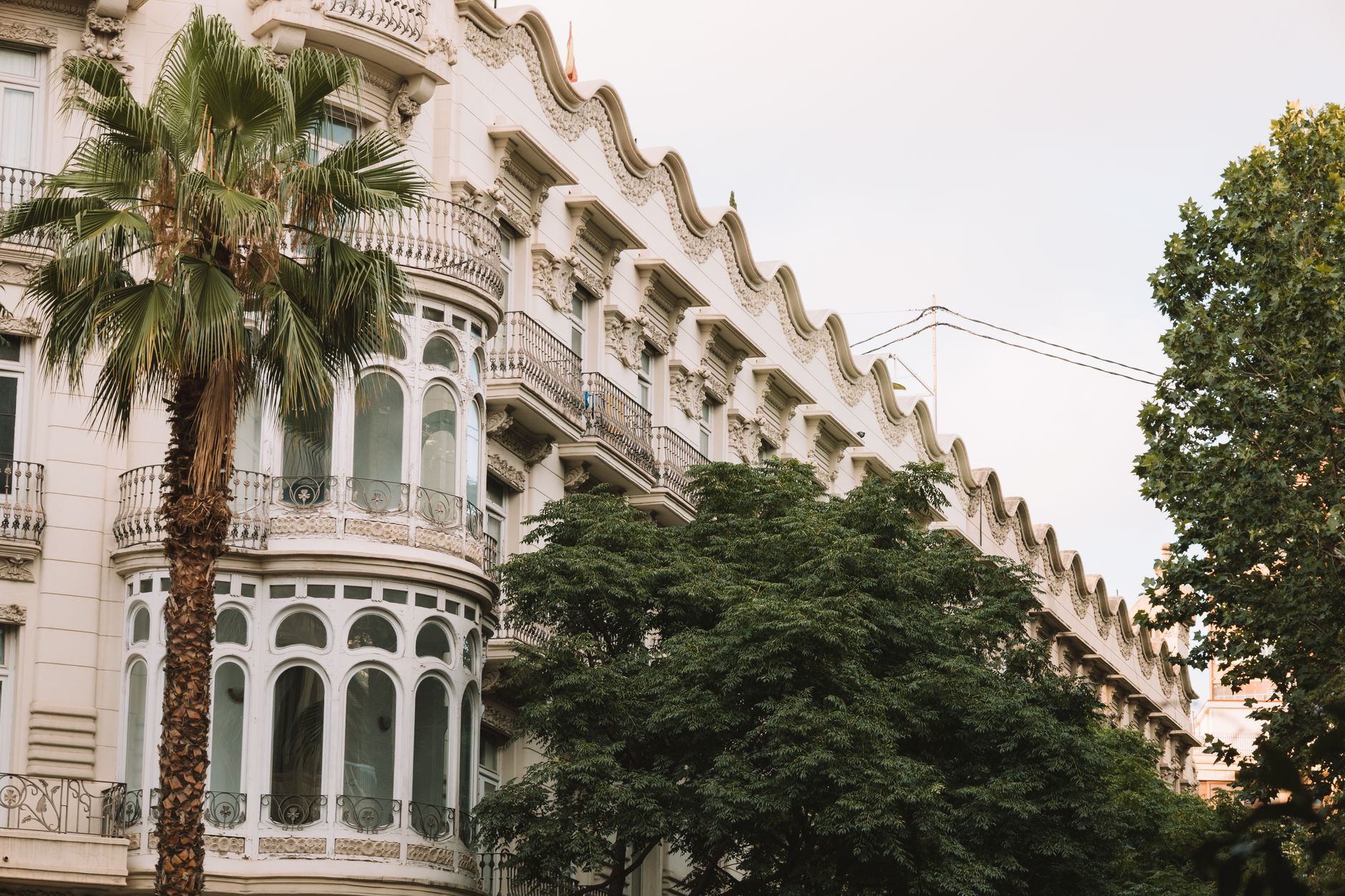
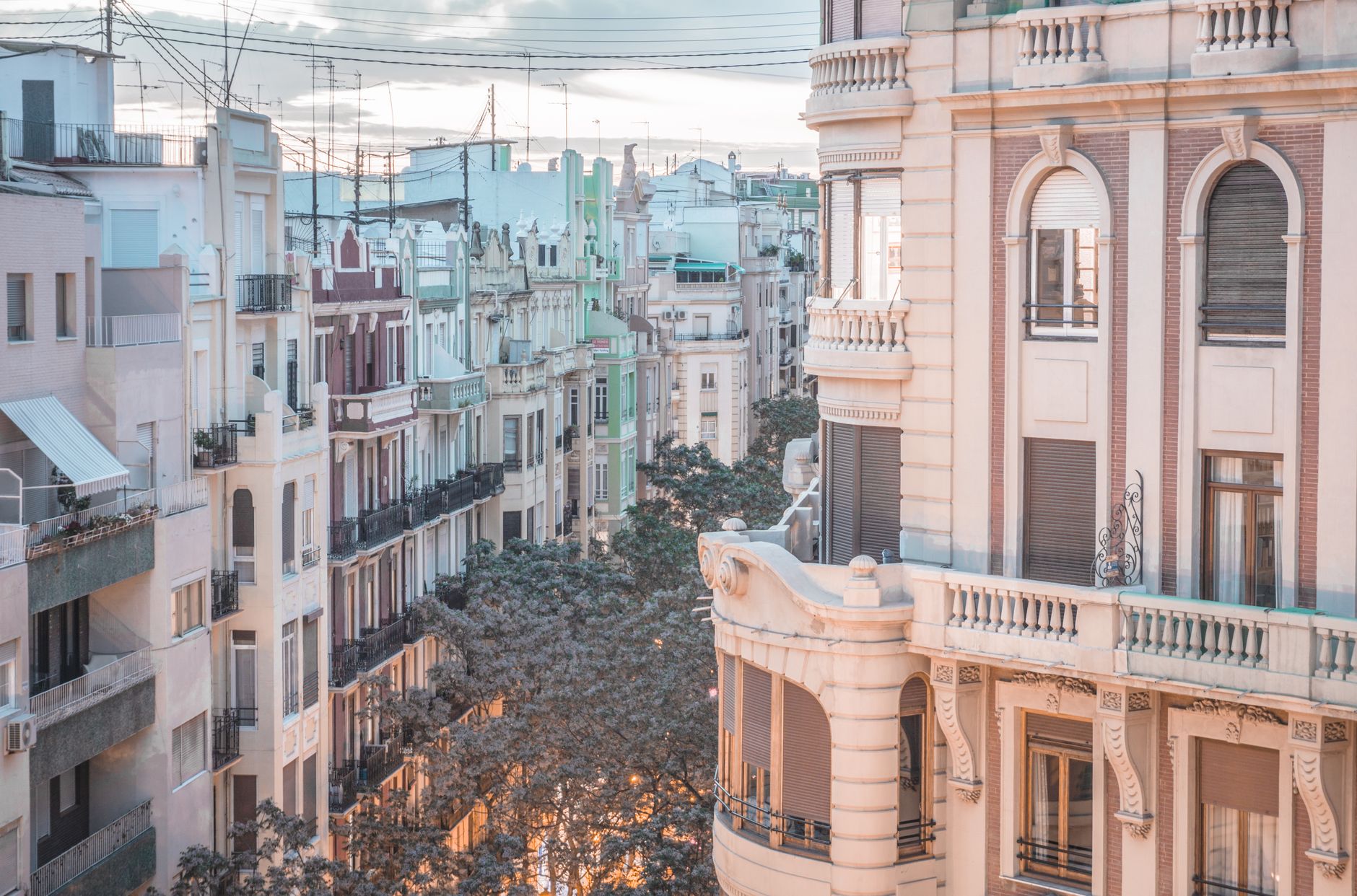
Valencia's historic centre, known as Ciutat Vella, brings together landmarks such as Valencia Cathedral, the Silk Exchange, a UNESCO World Heritage Site, and the Central Market, one of the most beautiful covered markets in Europe. The Carmen neighborhood, with its narrow streets full of street art, bars and independent shops, is perfect for an unhurried wander, with plenty of terraces to stop for horchata and fartons, the local snack.
The City of Arts and Sciences
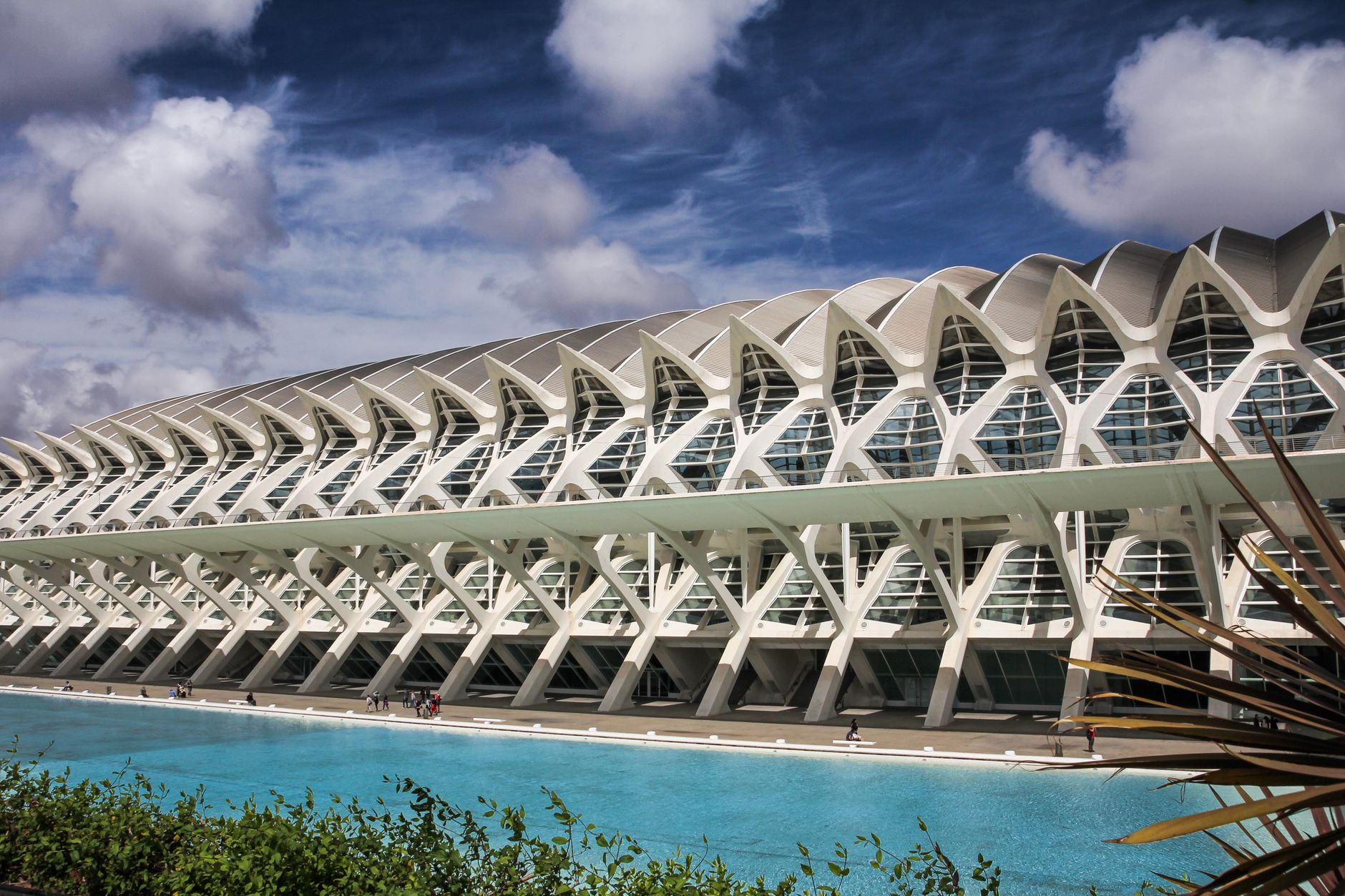
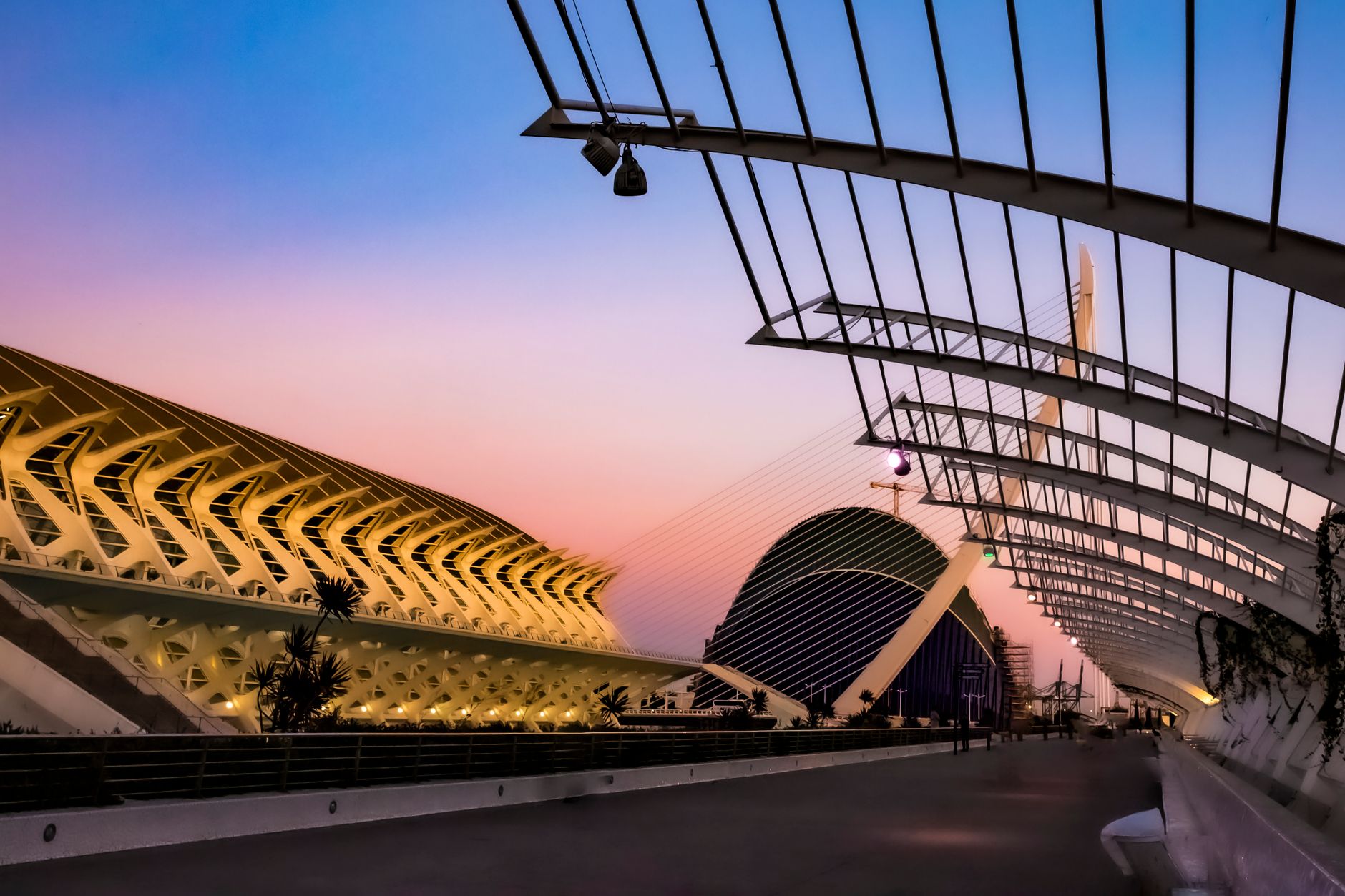
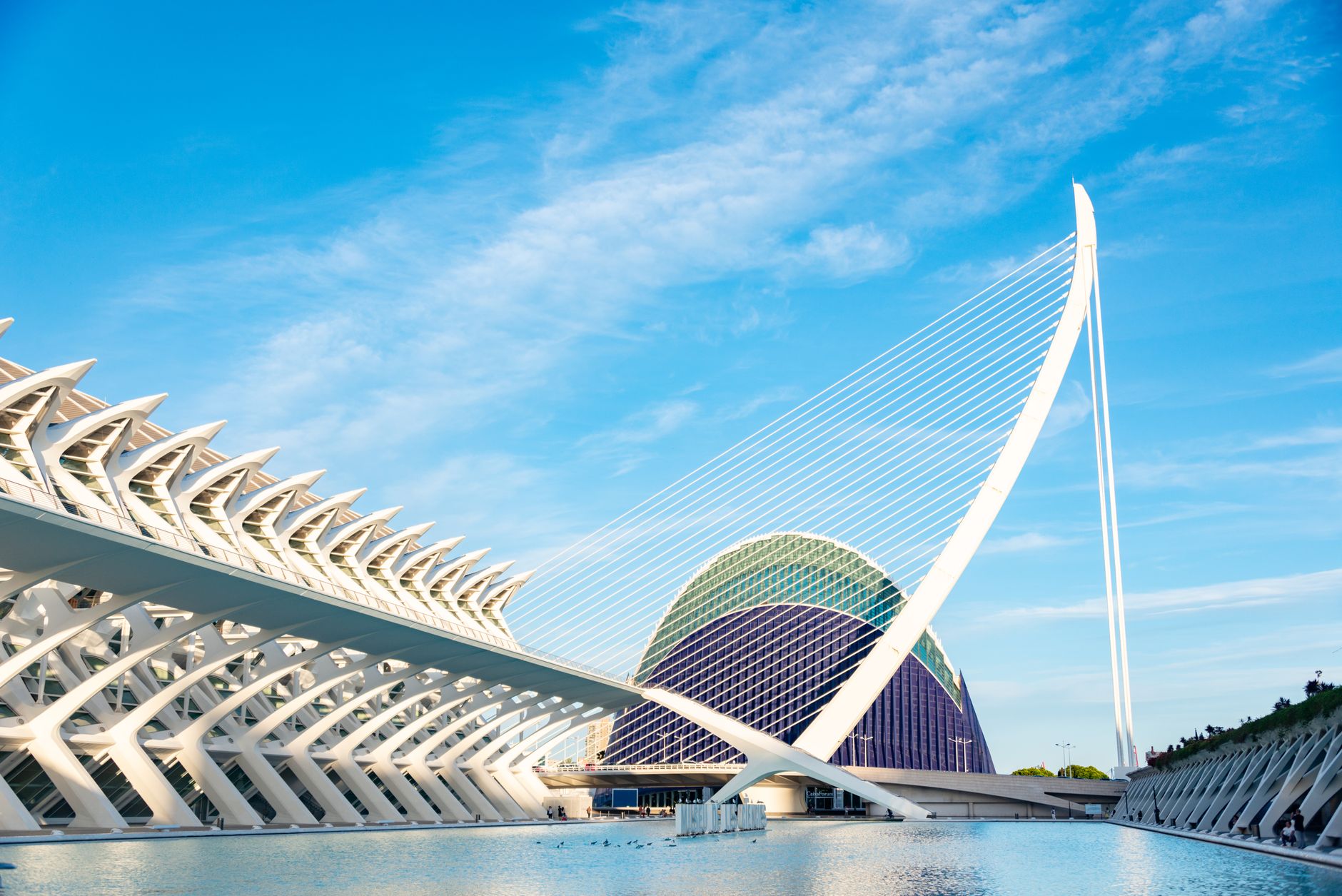
No visit to Valencia is complete without the City of Arts and Sciences, a cluster of futuristic buildings largely designed by Valencia-born architect Santiago Calatrava. The complex includes the Oceanogràfic, one of Europe's largest aquariums, a planetarium and an interactive science museum. It is worth setting aside a full morning to walk through the area, if only to photograph the architecture reflected in the surrounding pools.
Beaches and gardens along the old riverbed
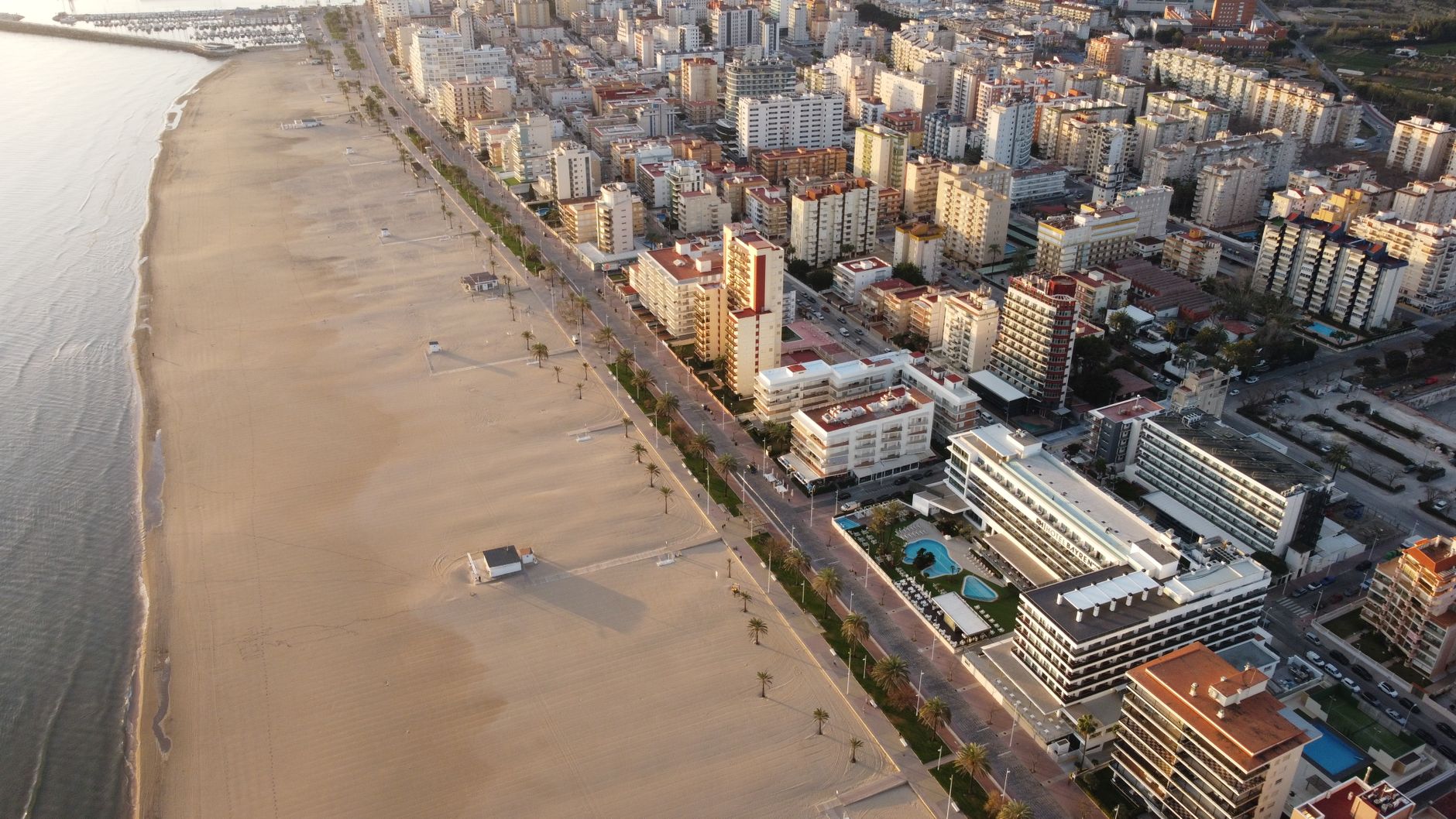
The city has the advantage of combining beach and downtown without long distances. Malvarrosa Beach, lined with a lively seafront promenade of seafood restaurants, is just a short bus or bike ride from the centre. Another distinctive feature of Valencia is the Turia Gardens, a long park built along the old riverbed that runs through the city end to end, used by locals for running, cycling or simply resting in the shade.
Where to stay and how to plan the trip
For first-time visitors, staying close to the old town makes getting around much easier. Hotels such as Valencia Arthouse https://travelguest.net/en/hotels/valencia-arthouse-en and Alojamiento Valencia https://travelguest.net/en/hotels/alojamiento-valencia-en offer a convenient base for exploring on foot, while travellers looking for a budget-friendly option will find NAP hostel Valencia https://travelguest.net/en/hotels/nap-hostel-valencia-en a practical, well-located choice. Those arriving by car may prefer Parking Hotel Sorolla Palace https://travelguest.net/en/hotels/parking-hotel-sorolla-palace-en, which takes the hassle out of finding somewhere to park.
Local food and getting around
Although paella is the dish most people associate with the region, Valencian gastronomy goes well beyond it. It is worth trying fideuà, a variation made with thin noodles instead of rice, or horchata de chufa, a sweet, refreshing local drink typically served with fartons, a long pastry perfect for dipping. Traditional markets, such as Mercado de Colón, with its modernist architecture, are also great places to discover local products and grab a quick bite between sightseeing stops. As for getting around, Valencia has a fairly efficient metro, bus and tram network, making it easy to reach any part of the city without relying on taxis. Cycling is also an excellent way to explore, especially along the Turia Gardens, which run almost the full length of the city on flat, safe paths suitable for pedalling at any time of year.
If you are planning your first trip to Valencia, book your accommodation early and set aside at least three full days to enjoy the city at a relaxed pace, moving between the old town, contemporary architecture and the sea.