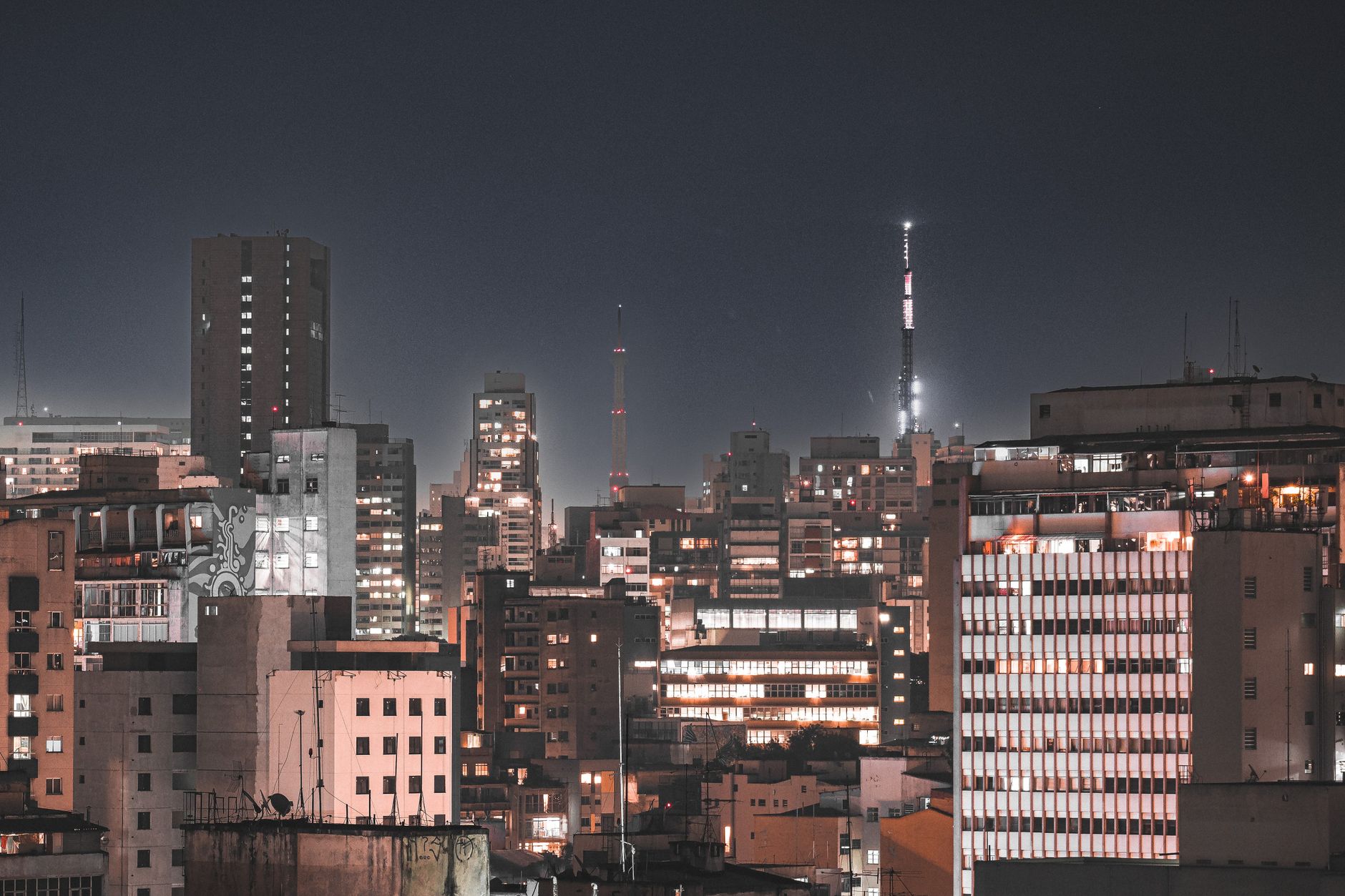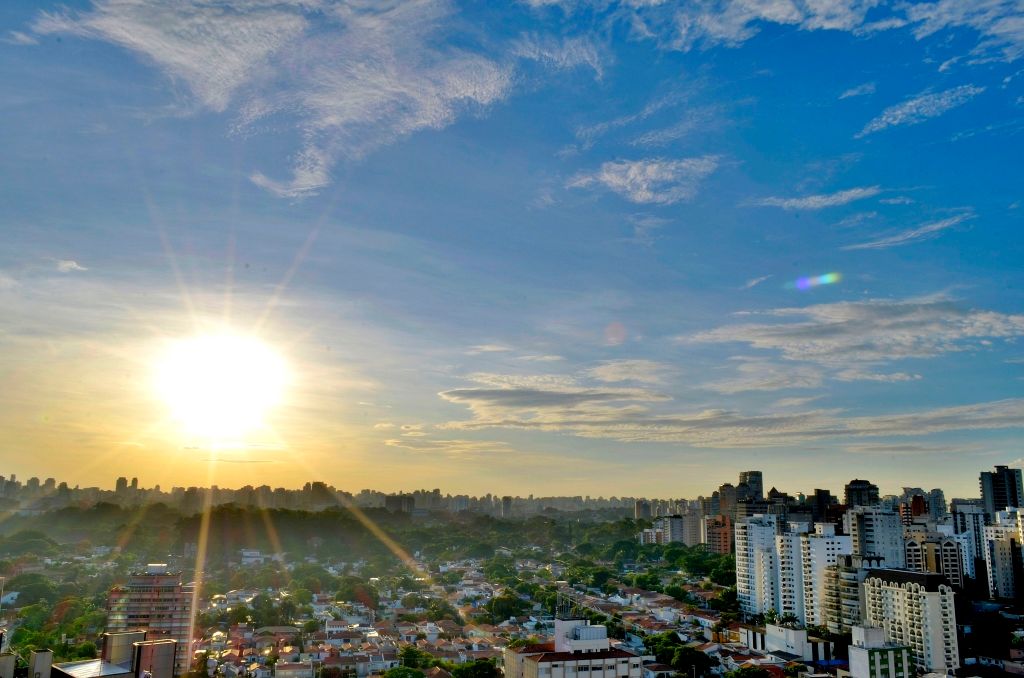
Unlike many Brazilian destinations associated with beaches and constant tropical weather, São Paulo has a milder, more variable climate throughout the year, which makes choosing the right time to visit an important factor before booking.
Summer (December to February): heat and rain
The summer months in the southern hemisphere bring higher temperatures and some humidity, with heavy but usually brief rain showers, especially in the late afternoon. It is a lively time in the city, but also a more expensive one for accommodation, particularly around New Year. Travellers visiting during this period should be prepared for hot days interspersed with sudden downpours.
Autumn (March to May): milder temperatures
Autumn tends to bring more balanced weather, with mild temperatures and less rain than in summer. It is a good time to walk around the city and visit different areas without the intense heat of the previous months. Staying in a central, well-connected location near the metro, such as Hotel Econômico ao Lado do Metrô, makes it much easier to explore the city on foot during this season.
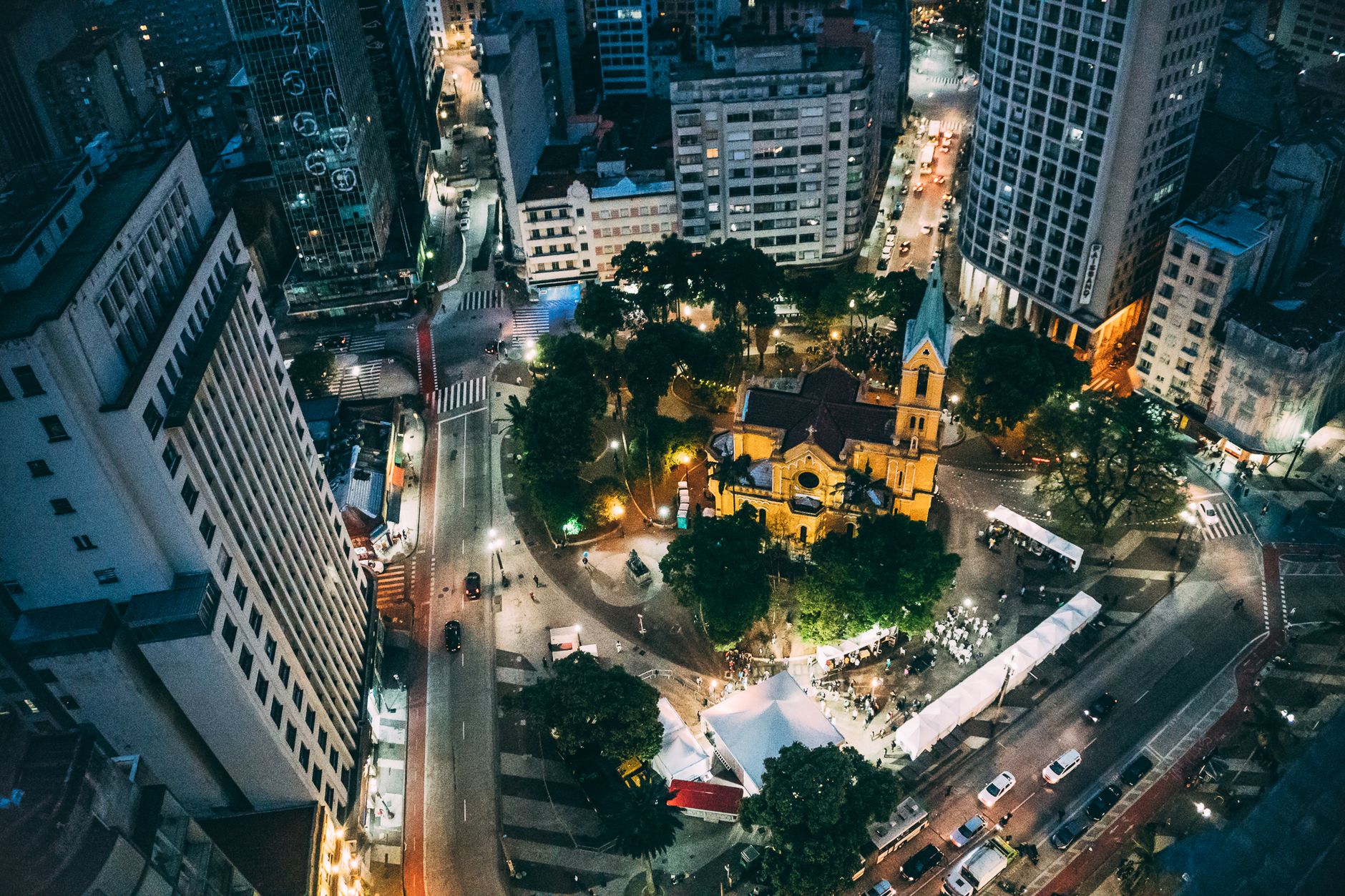
Winter (June to August): the driest, coolest season
São Paulo's winter is dry and mild, with lower temperatures than the rest of the year, although rarely very cold. Many travellers consider it the best time to visit the city, since it combines less rain with comfortable weather for walking around. It also tends to be a period with more stable accommodation prices, outside of major events. Many travellers who have visited São Paulo more than once end up naming winter as their favourite time to return.
Spring (September to November): transition and events
Spring marks the transition into summer heat, with temperatures gradually rising and some weather instability along the way. It is also a season with plenty of cultural and sporting events in the city, including major football matches. For travellers heading to an event near a stadium, M HOTEL, close to the Arena do Corinthians, is a practical option at this time of year.
Whatever season you choose, it is worth packing a light jacket, since evenings can turn cooler than expected even during the warmer months, especially on clear-sky days. Checking the forecast in the days before the trip also helps decide what to pack, and layering clothes tends to work better than relying on a single heavy jacket.
Quick summary by travel priority
- Prioritising dry, mild weather: travel in winter, between June and August.
- Want to avoid heavy rain but do not mind more heat: choose autumn or late spring.
- Do not mind rain and want a lively atmosphere: travel in summer.
- Want to coincide with sporting or cultural events: consider spring.
It is also worth noting that, regardless of the season chosen, São Paulo rarely sees extreme temperatures, which makes it a relatively flexible destination throughout the year, especially when compared with other major Brazilian cities with a more tropical climate.
Whatever season you choose, São Paulo always has something to offer visitors. Check accommodation availability on TravelGuest and pick the best time for your trip.