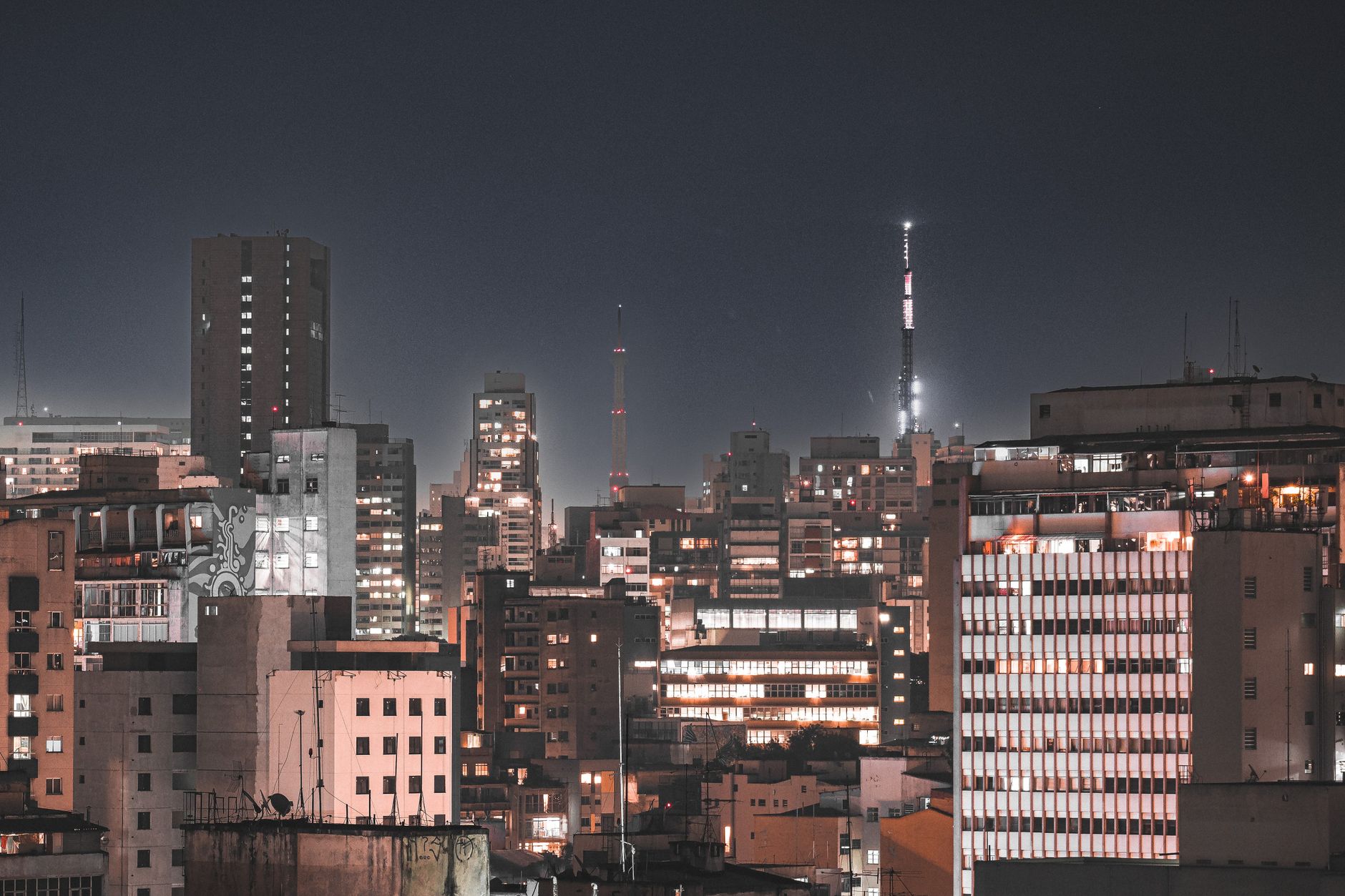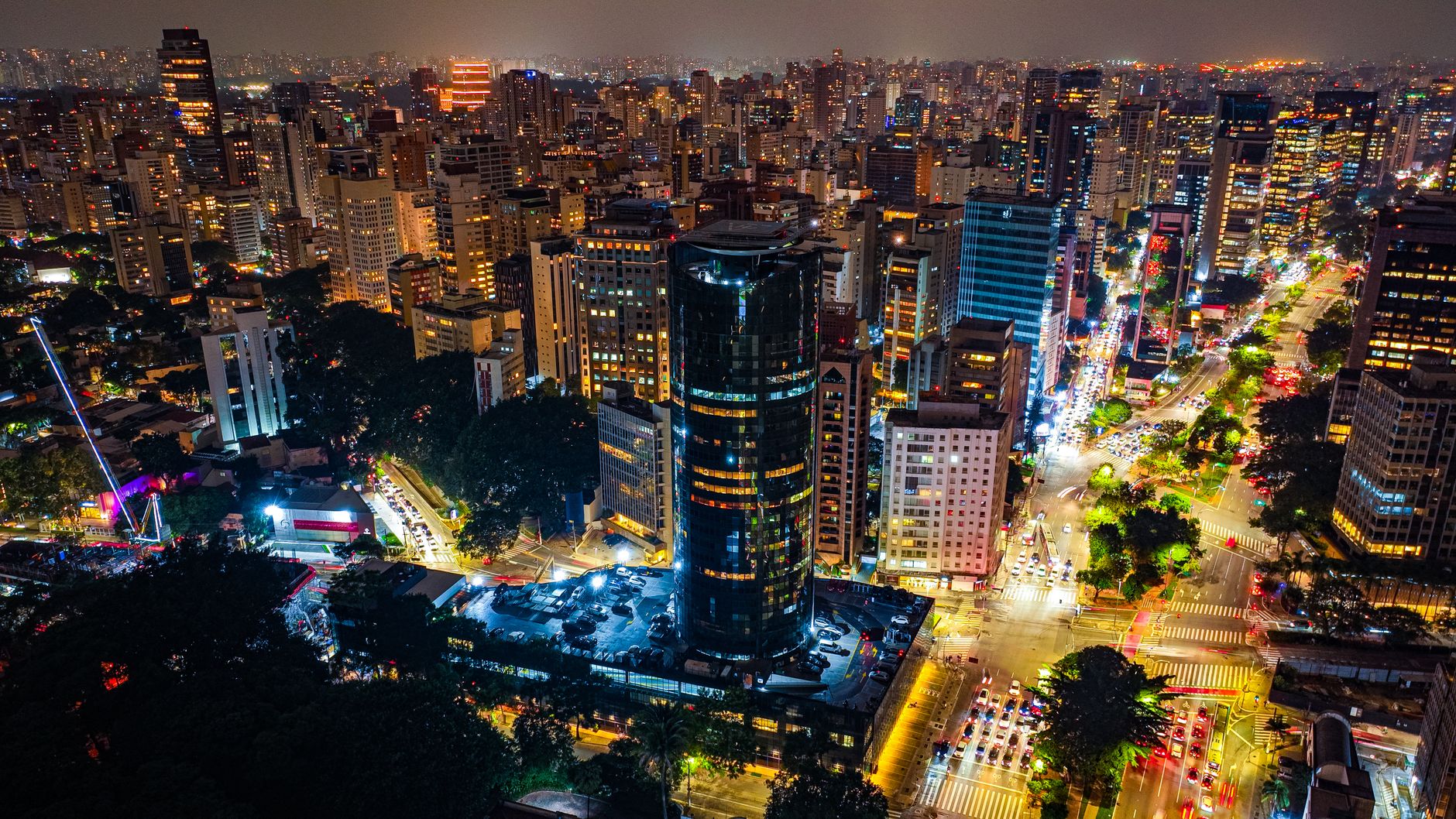
São Paulo is Brazil's largest city and one of South America's main economic hubs, which makes it a very different destination from the beaches and tropical landscapes usually associated with the country. For first-time visitors, it can feel overwhelming at first, but it rewards those who plan ahead.
Getting your bearings in such a large city
With millions of residents and a huge metropolitan area, São Paulo works best when you plan your trip zone by zone, rather than trying to see everything in a scattered way. The metro is by far the most efficient way to get around the city, especially during rush hour, when travelling by car or taxi can take far longer than expected. Because of this, staying near a metro station, such as at Hotel Econômico ao Lado do Metrô, makes life much easier for anyone visiting the city for the first time.
City areas and what to expect from each
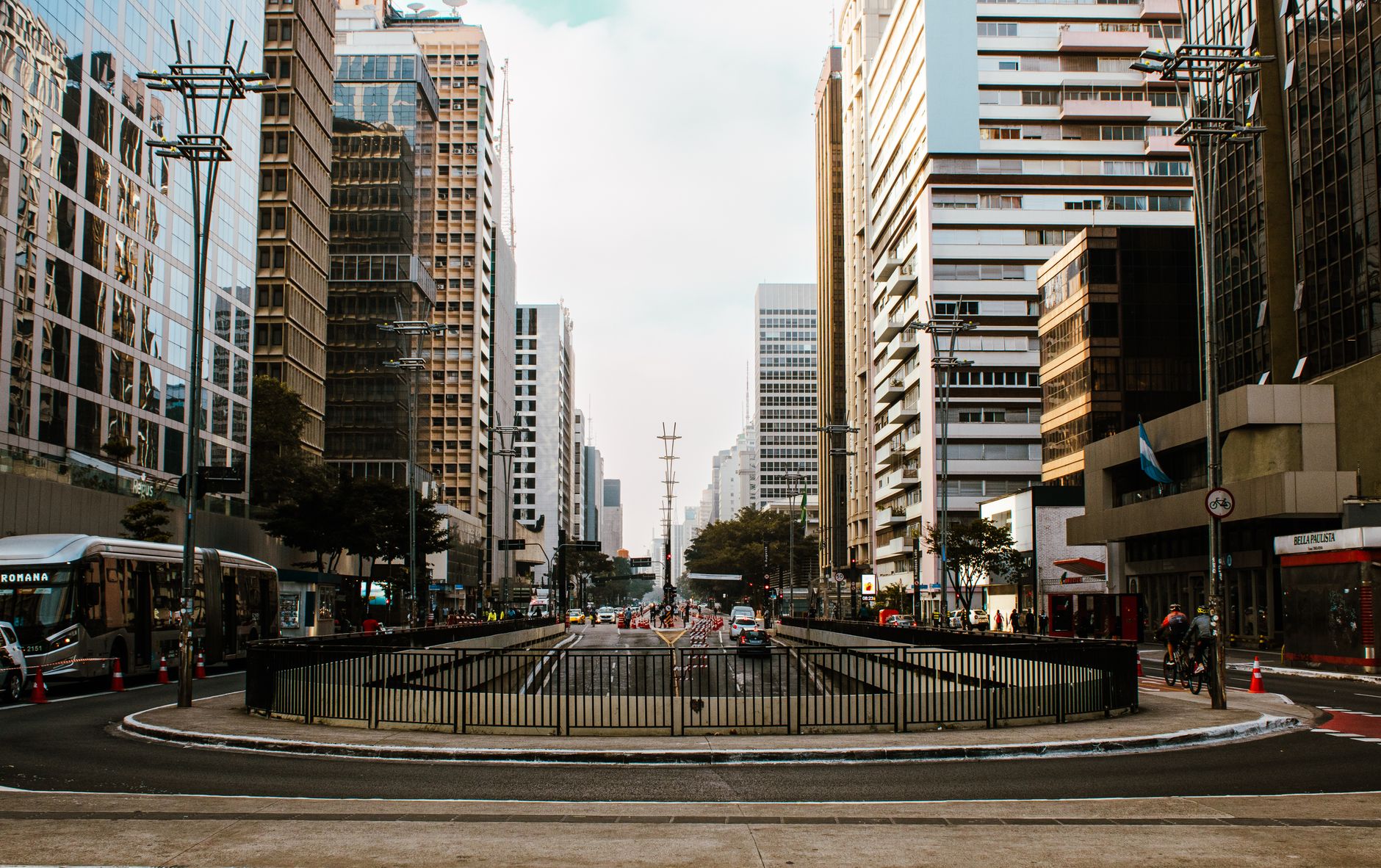
São Paulo is divided into several areas with very different characters. The most central districts concentrate much of the city's cultural life, with theatres, shopping centres and an extensive dining scene. Neighbourhoods around Hotel city Clélia tend to be good intermediate bases, with easy access to both the centre and quieter residential areas, which is useful for travellers who want to balance sightseeing with downtime.
Sport and events: a city built around football
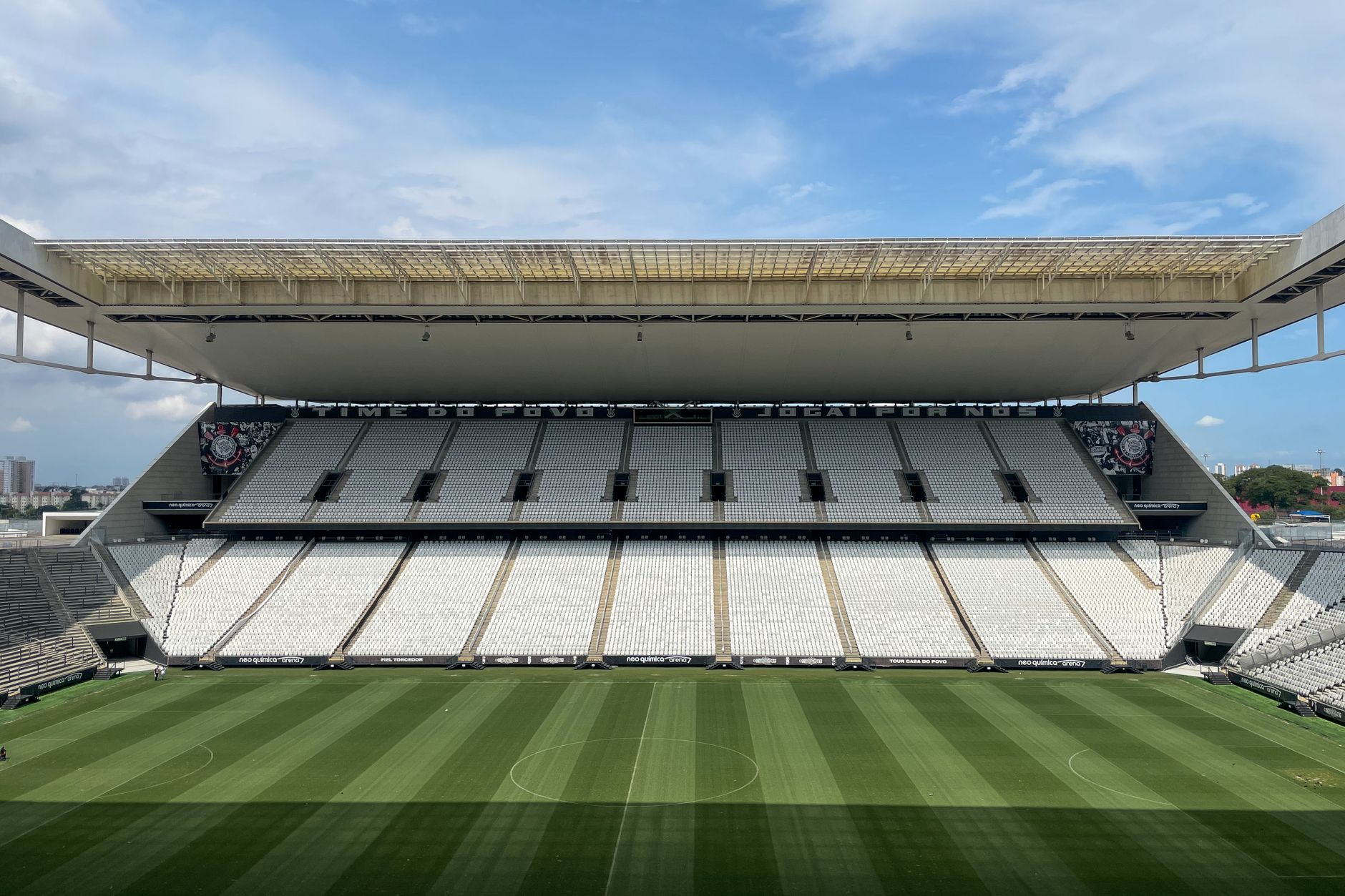
Football occupies a central place in the city's life, and watching a match at one of São Paulo's major stadiums is often one of the most memorable experiences for first-time visitors. For travellers who want to be close to this atmosphere, M HOTEL, located near the Arena do Corinthians, is a convenient option on match days, while also working well as a base for the rest of the trip thanks to the area's good transport links.
Food: one of the city's biggest highlights
São Paulo has one of the most diverse food scenes in South America, shaped by strong Italian, Japanese, Arab and many other immigrant communities. It is worth setting aside at least one meal in neighbourhoods known for a specific culinary tradition, whether Italian, Japanese or regional Brazilian cuisine, to get a real sense of the city's diversity.
Getting a sense of local rhythms also helps: many businesses in São Paulo open later in the morning and stay open well into the evening, so there is no need to rush breakfast or worry about restaurants closing early, unlike in some European destinations. This flexibility makes it easier to build a relaxed daily schedule around sightseeing, meals and rest.
Practical tips for a first visit
- Plan your journeys in advance, factoring in heavy rush-hour traffic.
- Choose the metro whenever your route allows it.
- Book accommodation near metro stations to save time every day.
- Try at least one restaurant from each major culinary tradition present in the city.
São Paulo is a city that reveals itself gradually and rewards those with the time and curiosity to explore it. Discover more accommodation options on TravelGuest and start planning your first trip to the city.