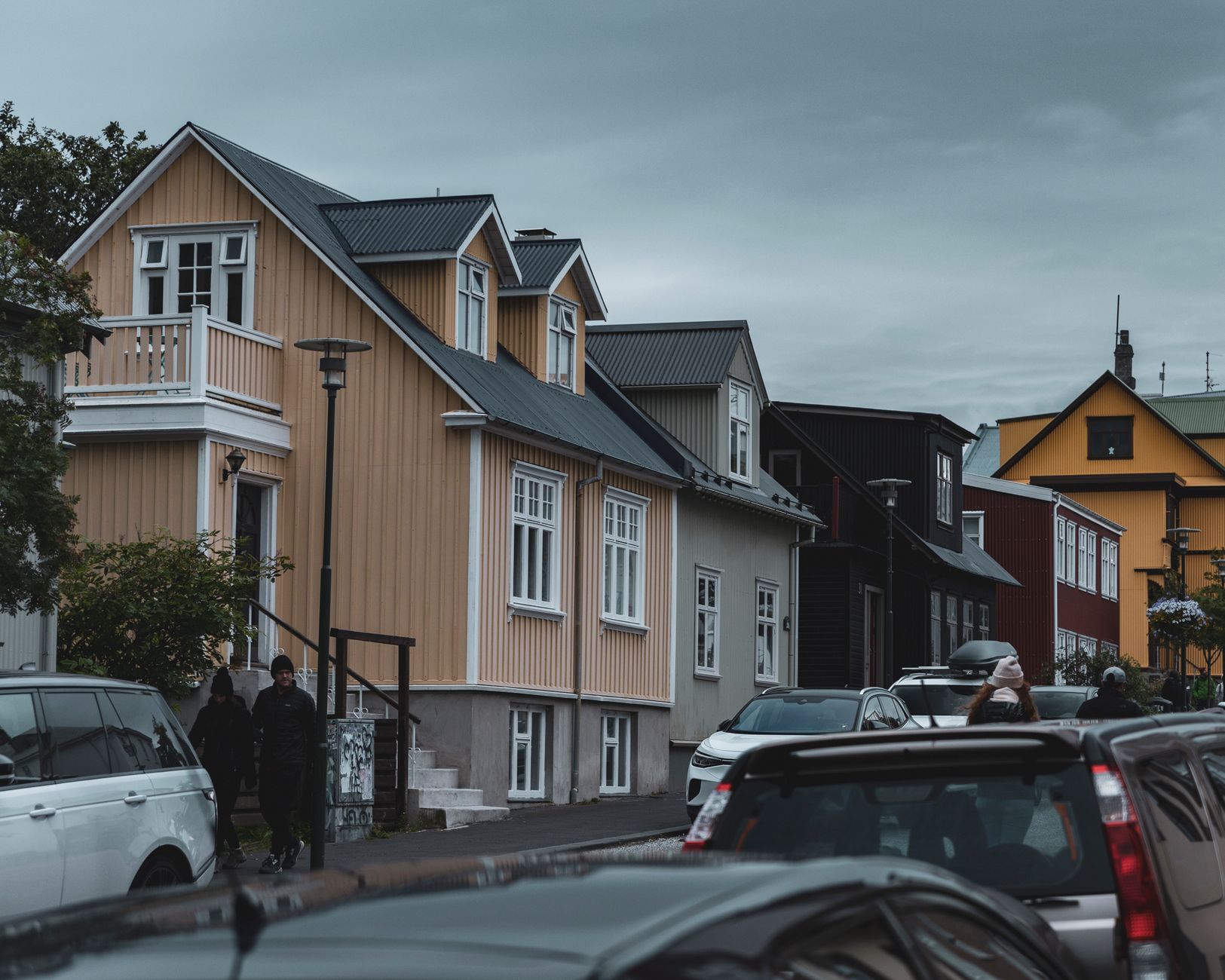
Why Reykjavík has a reputation for being expensive
Iceland is known for having one of the highest costs of living in Europe, and Reykjavík is no exception. Restaurant meals, alcohol and organized tours can quickly add up if there is no prior planning. Even so, it is entirely possible to visit Iceland's capital while spending less, as long as you make informed choices about accommodation, food and activities.
Accommodation: consider areas slightly outside the center
One of the most effective ways to save money is choosing accommodation outside the most central, touristy area. Vidines Guesthouse is an example of a simpler option, suited to travelers who do not need to be right in the heart of the city and would rather save on this line item to spend more on tours. Many of these properties are just a short bus ride from downtown, which offsets the savings without compromising the overall experience.
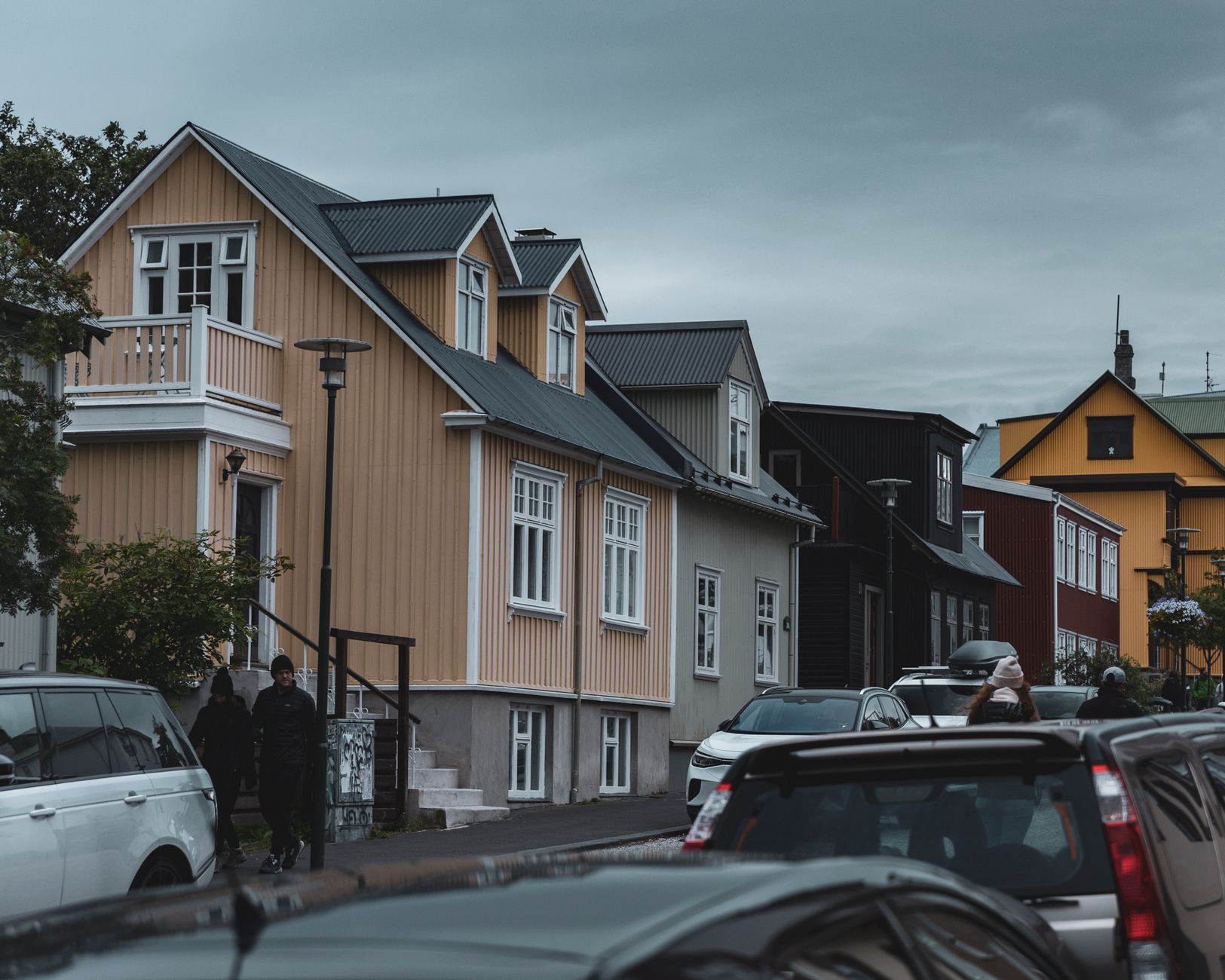
Arctic Comfort Hotel is another alternative worth considering for travelers looking for a balance between price and comfort, without straying too far from public transport connections.
Food: supermarkets and off-peak meals
Preparing some meals with groceries instead of always eating out is probably the single biggest saving a visitor can make in Reykjavík. Many properties with a kitchen or shared kitchen area make it easy to prepare breakfasts and snacks, cutting daily expenses considerably. When eating out, look for lunch menus, which are generally more affordable than dinner.
Free activities and savings on tours
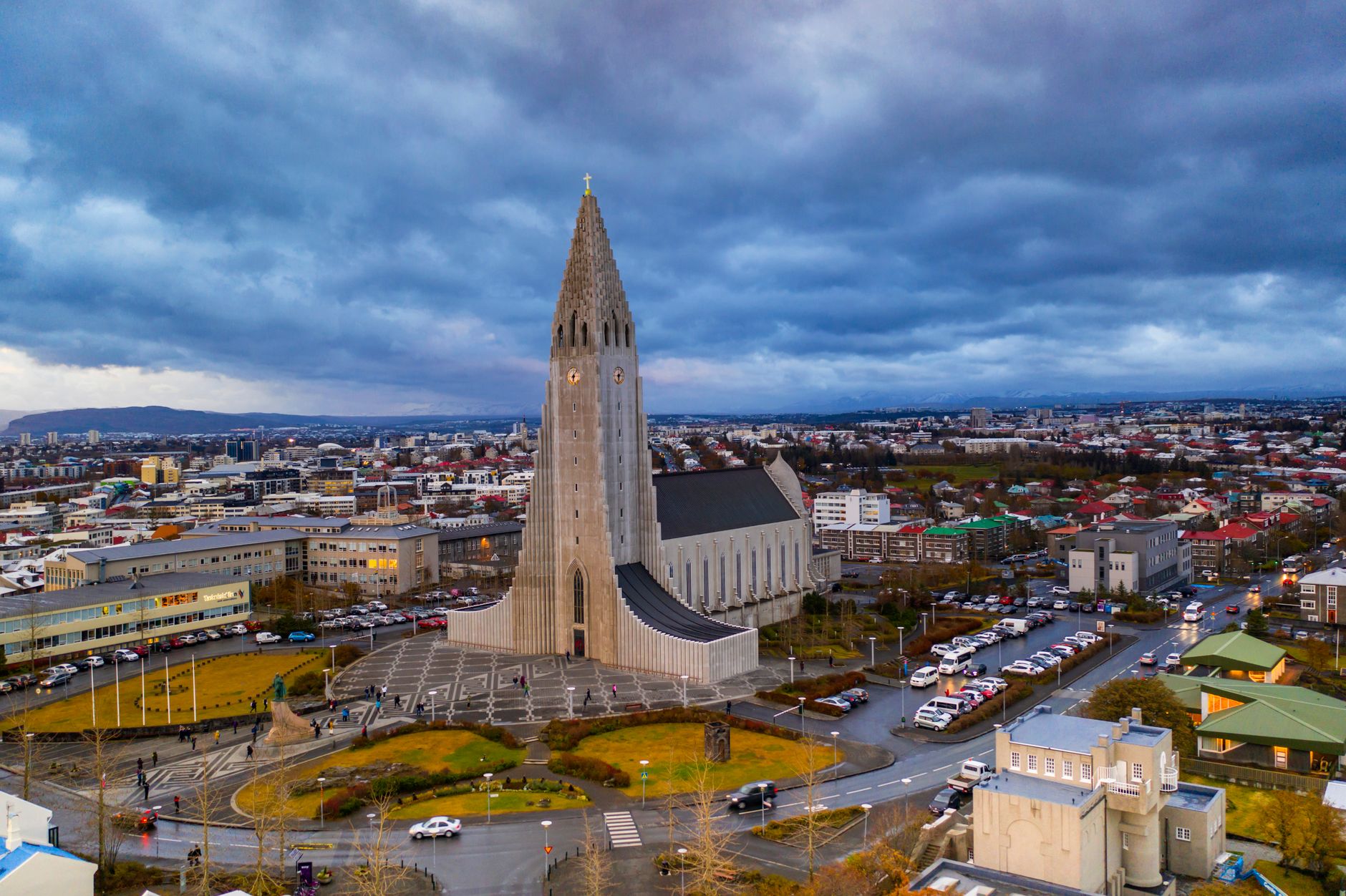
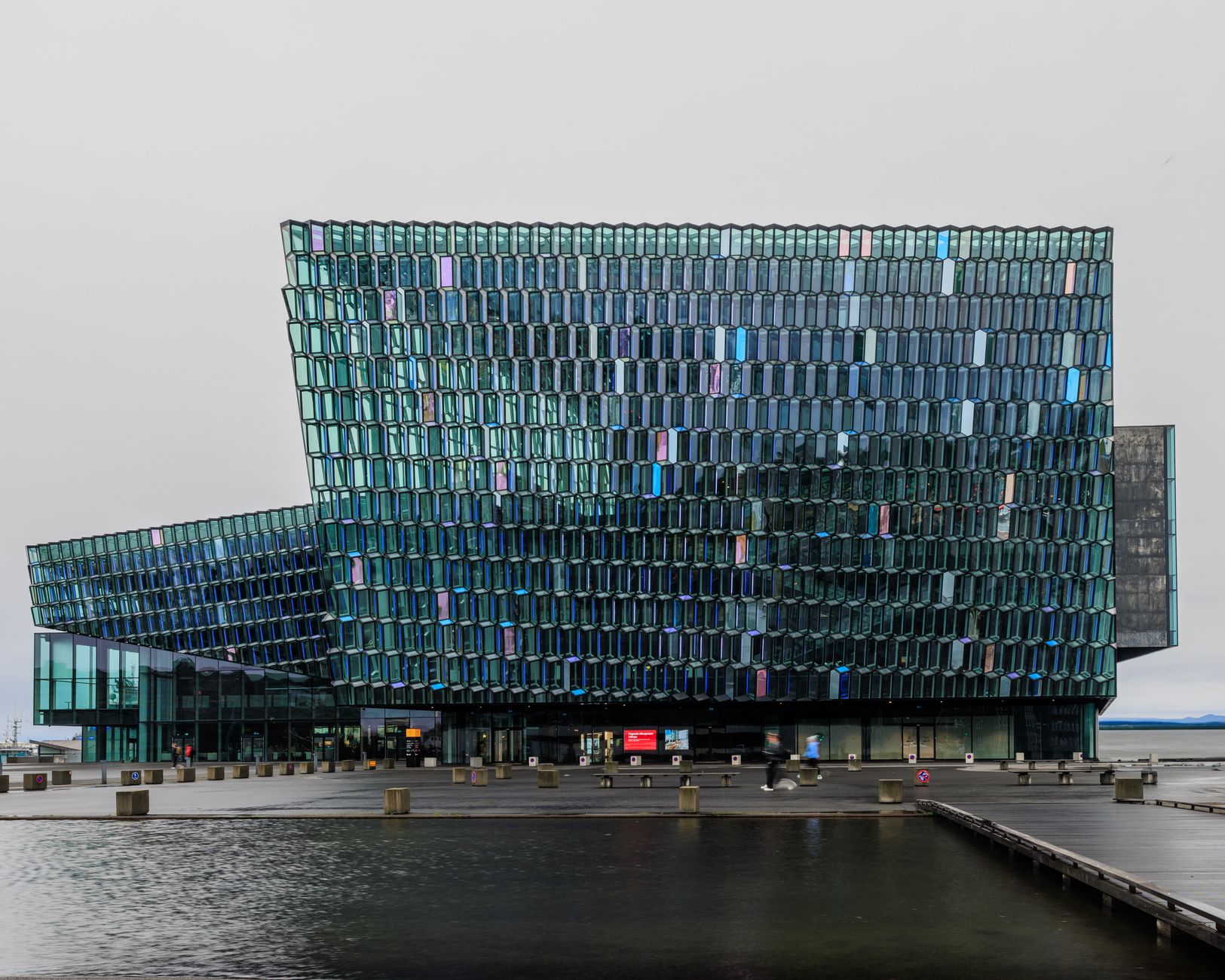
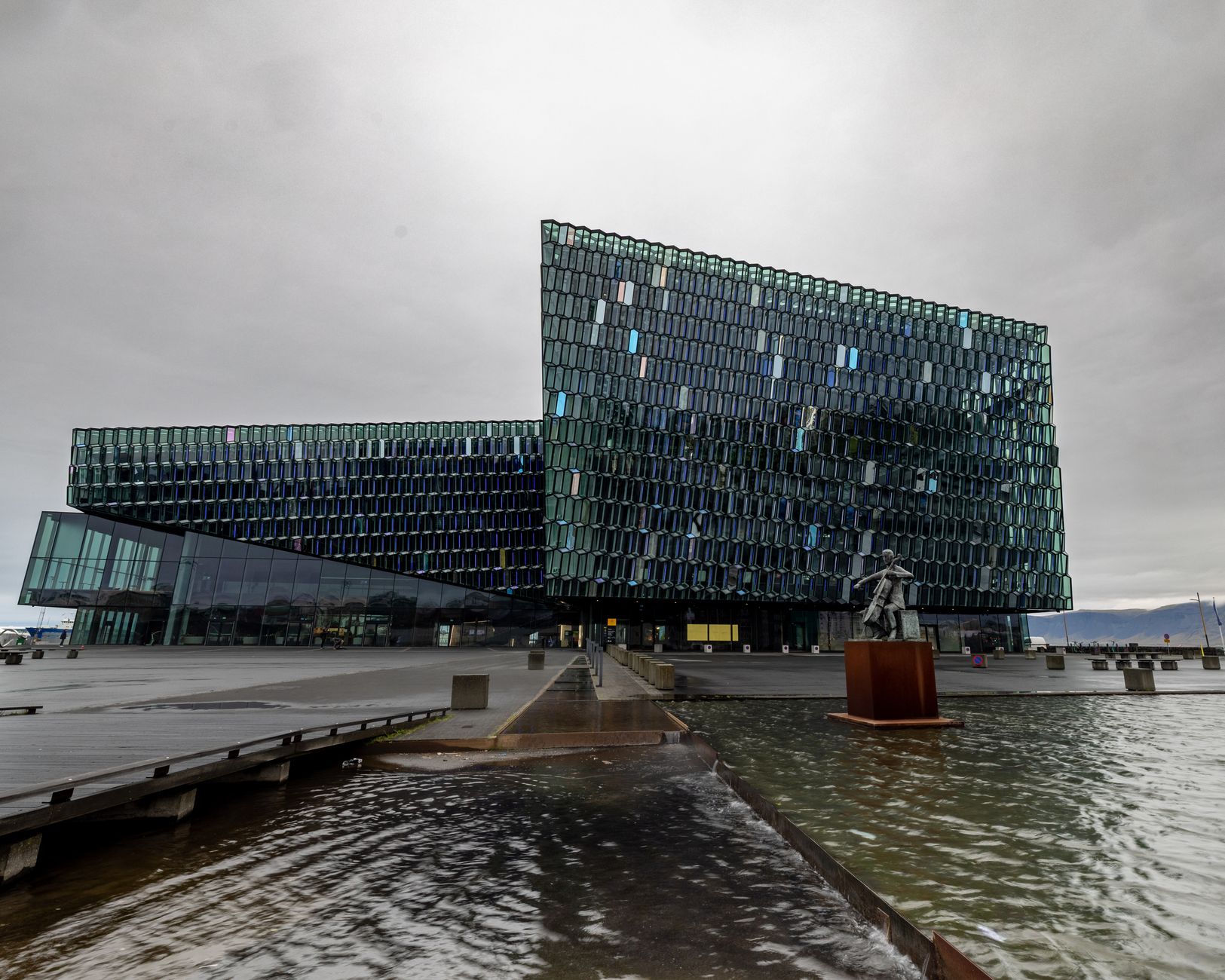
Walking through downtown, exploring the waterfront near Harpa and the Sun Voyager sculpture, or hiking to natural viewpoints on the outskirts of the city are all free activities that already give a good sense of Reykjavík. For paid tours, such as the Golden Circle, compare several operators and consider renting a car if traveling as a group, since it can work out cheaper than individual tour tickets.
Hotel island offers a good balance between a central location and price, which can reduce transport costs throughout the stay, since it sits within walking distance of most points of interest.
Other practical money-saving tips
Traveling outside high season, between late autumn and early spring, tends to bring lower accommodation and flight prices, although with fewer daylight hours. Packing suitable cold-weather clothing avoids last-minute purchases in tourist shops, where prices tend to be steep. Finally, plan your itinerary in advance to avoid last-minute bookings, which are usually more expensive.
It is also worth taking advantage of the fact that tap water in Reykjavík is safe to drink and of excellent quality, which avoids constantly buying bottled water. Many bars also run happy hour specials in the late afternoon, with drink prices considerably lower than at dinner time, and the municipal geothermal pools, popular mainly with locals, usually cost a fraction of a tourist spa, making them an affordable and authentic way to experience Iceland's hot water. Bringing your own snacks for the day and refilling a reusable water bottle at the accommodation can also add up to meaningful savings over a multi-day stay.
Compare accommodation prices and locations in Reykjavík and start planning an Iceland trip that fits your budget.