Summer: long days and full access to the highlands
Between June and August, Reykjavík enjoys nearly nonstop daylight, the famous midnight sun, which allows for many more hours of sightseeing and touring each day. It is also the season when all of the country's roads are open, including the highlands, and when most of the city's festivals and outdoor events take place. On the other hand, it is the busiest and most expensive season for accommodation.
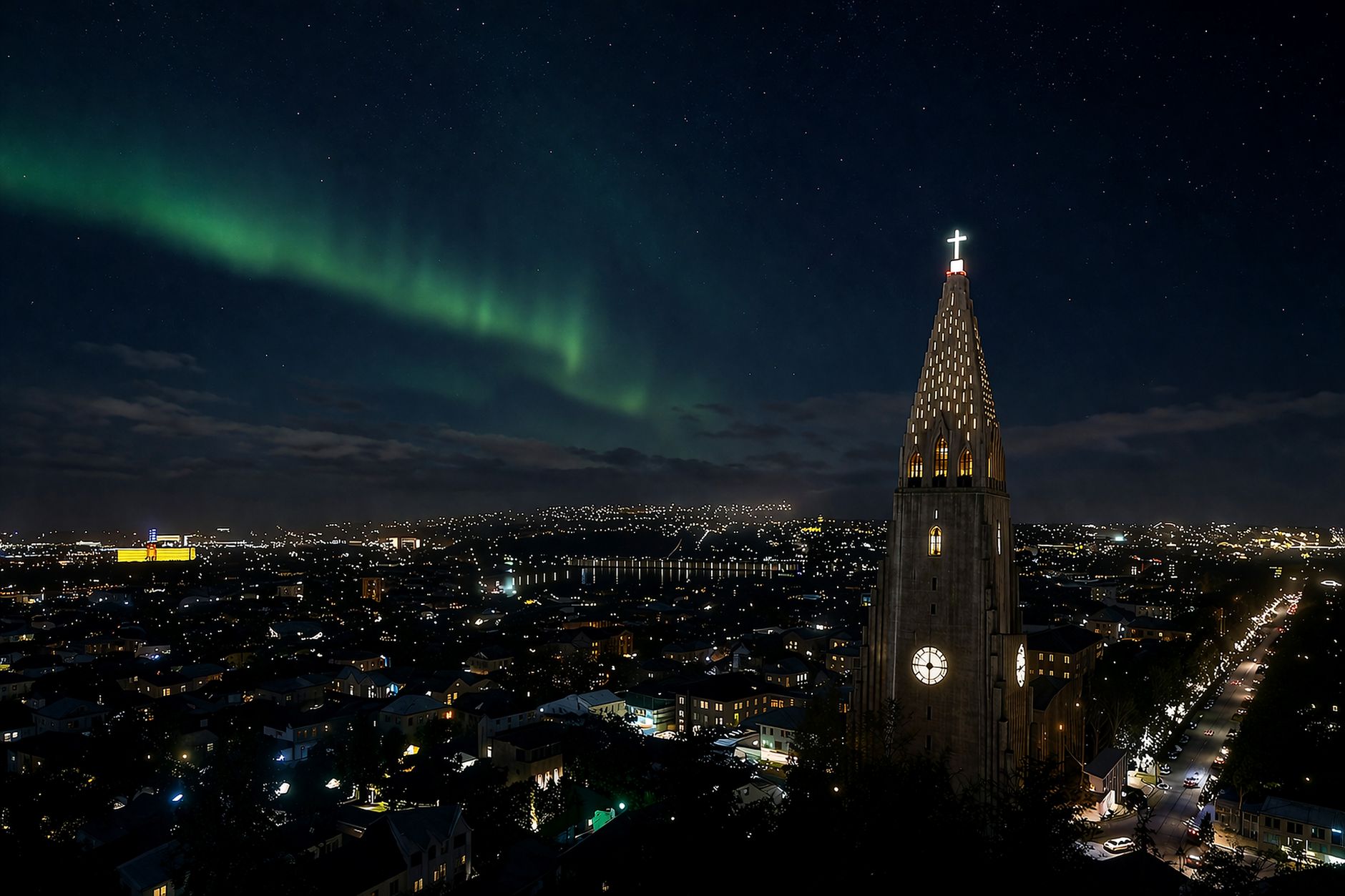
Winter: northern lights and frozen landscapes
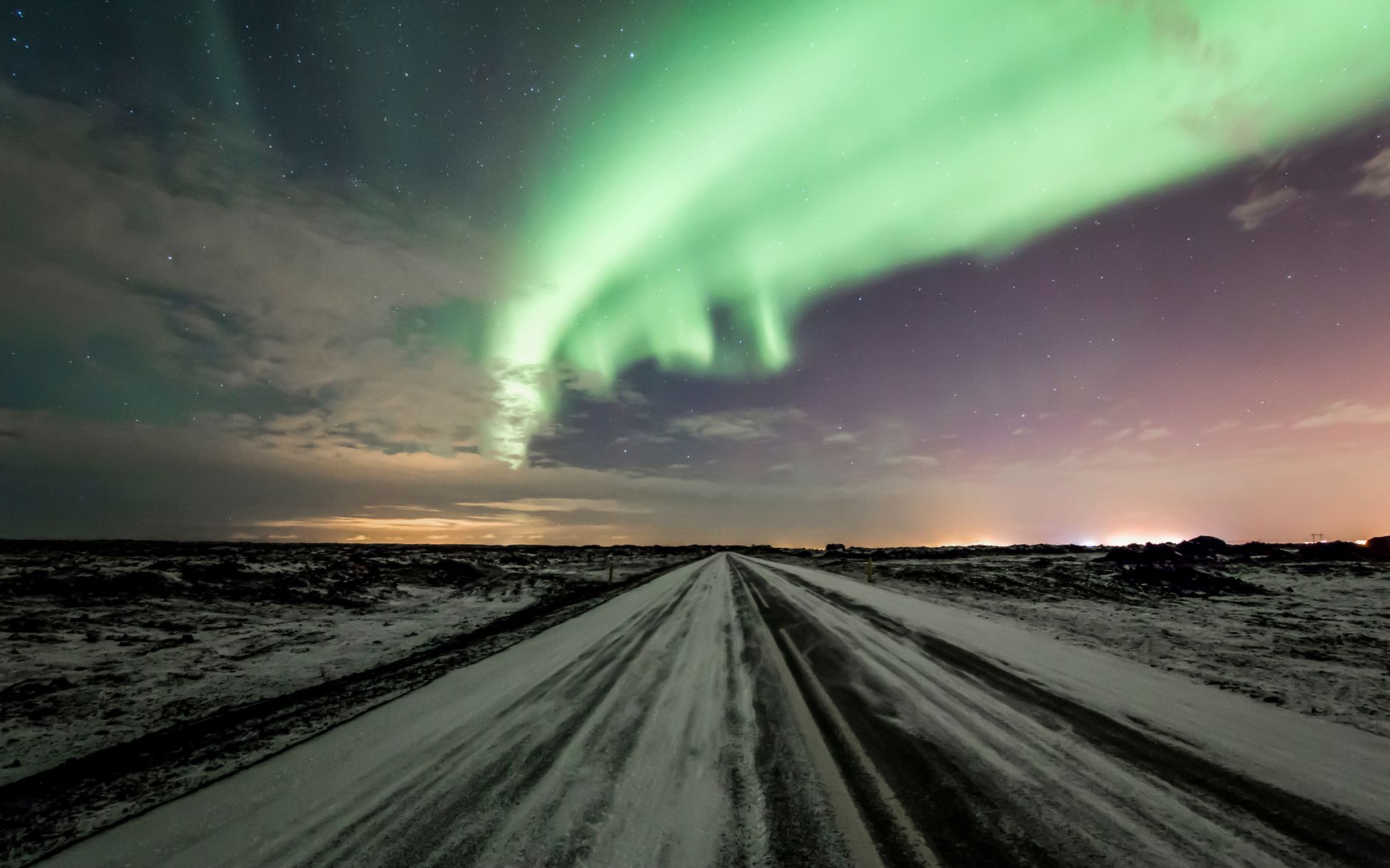
Between November and March, Reykjavík offers the chance to spot the northern lights on clear nights, along with snow-covered landscapes that turn the Golden Circle into a very different experience from its summer version. Days are short, with only a few hours of daylight, and some secondary roads may close due to weather conditions, but it is also the season with the lowest accommodation and flight prices.
During this season, staying at a central property like Old Town Reykjavik makes getting around on foot much easier, since the short days make covering long distances between accommodation and downtown less appealing.
Spring and autumn: a balance between price and experience
April, May, September and October are often considered the best time to visit Reykjavík for travelers looking for a balance between price, fewer crowds and good conditions for exploring the city and its surroundings. Northern lights are still visible in September and October, and temperatures are milder than in the depths of winter.
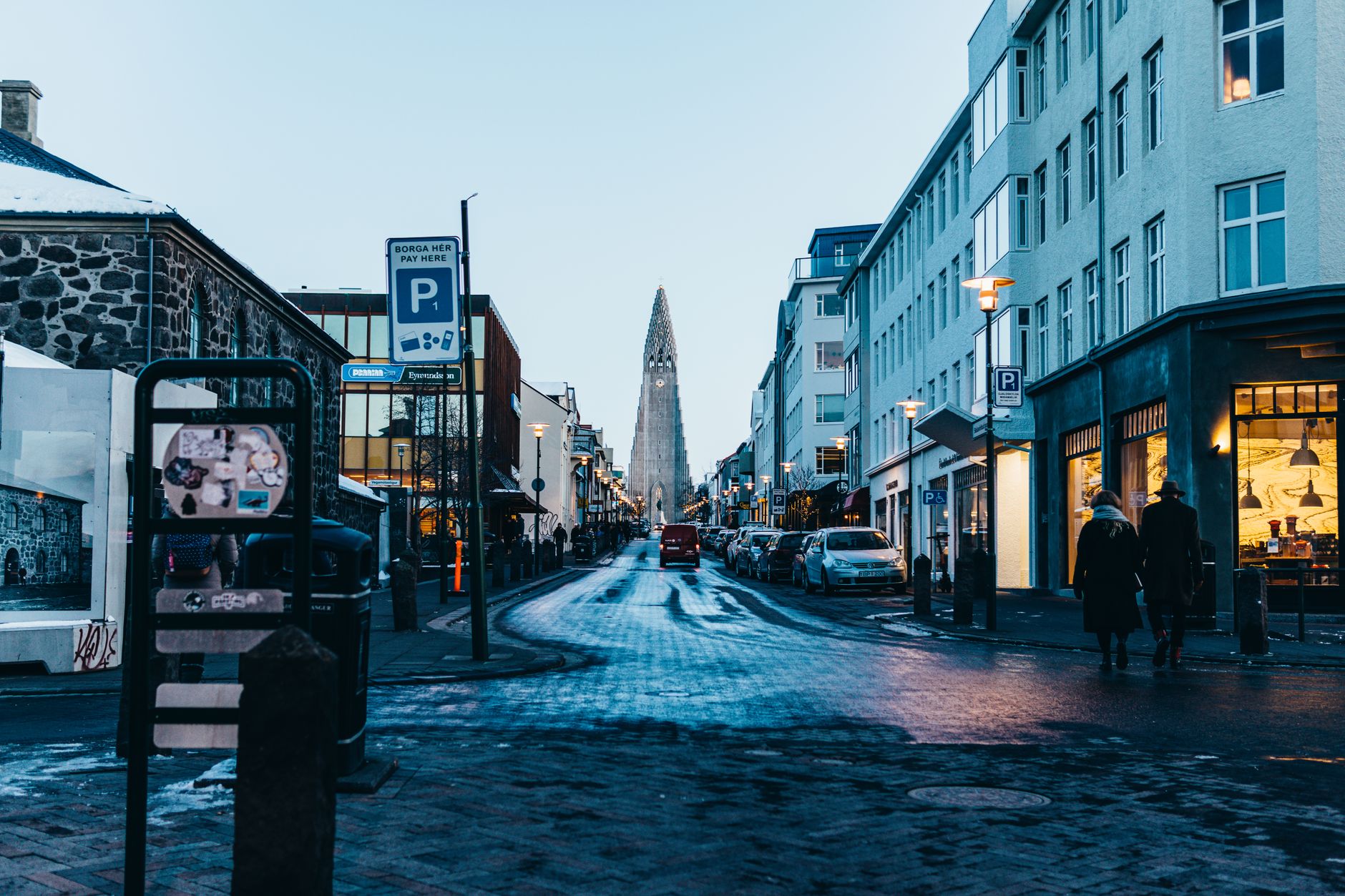
For these shoulder seasons, both Hotel island and Arctic Comfort Hotel are good accommodation choices, with a central location that makes it easy to explore the city during the shorter daylight hours.
Which season is right for you
The best time to visit Reykjavík mostly depends on what you want from the trip: anyone hoping to see the northern lights should visit between September and March, while travelers who want to explore the highlands and enjoy longer days should aim for summer. For those who want to save money without giving up good conditions, spring and autumn remain the most balanced choices.
The weather can change at any time of year
Whichever season you choose, it is worth remembering that Icelandic weather is famously unpredictable, with conditions that can shift dramatically within a single day. Packing layered clothing, a windproof and waterproof jacket and comfortable walking shoes is good practice regardless of when you travel. Checking weather forecasts and road conditions before any trip outside the city is equally important, especially outside the summer months. Iceland's official weather and road condition websites and apps are reliable, free tools used daily by locals themselves, and are well worth checking before leaving your accommodation, even for short trips within the city. A flexible mindset ultimately matters more than the exact dates chosen, since even locals adjust their plans regularly according to what the sky and the roads allow on any given day.
Compare accommodation in Reykjavík across the different seasons and pick the ideal dates for your trip to Iceland.