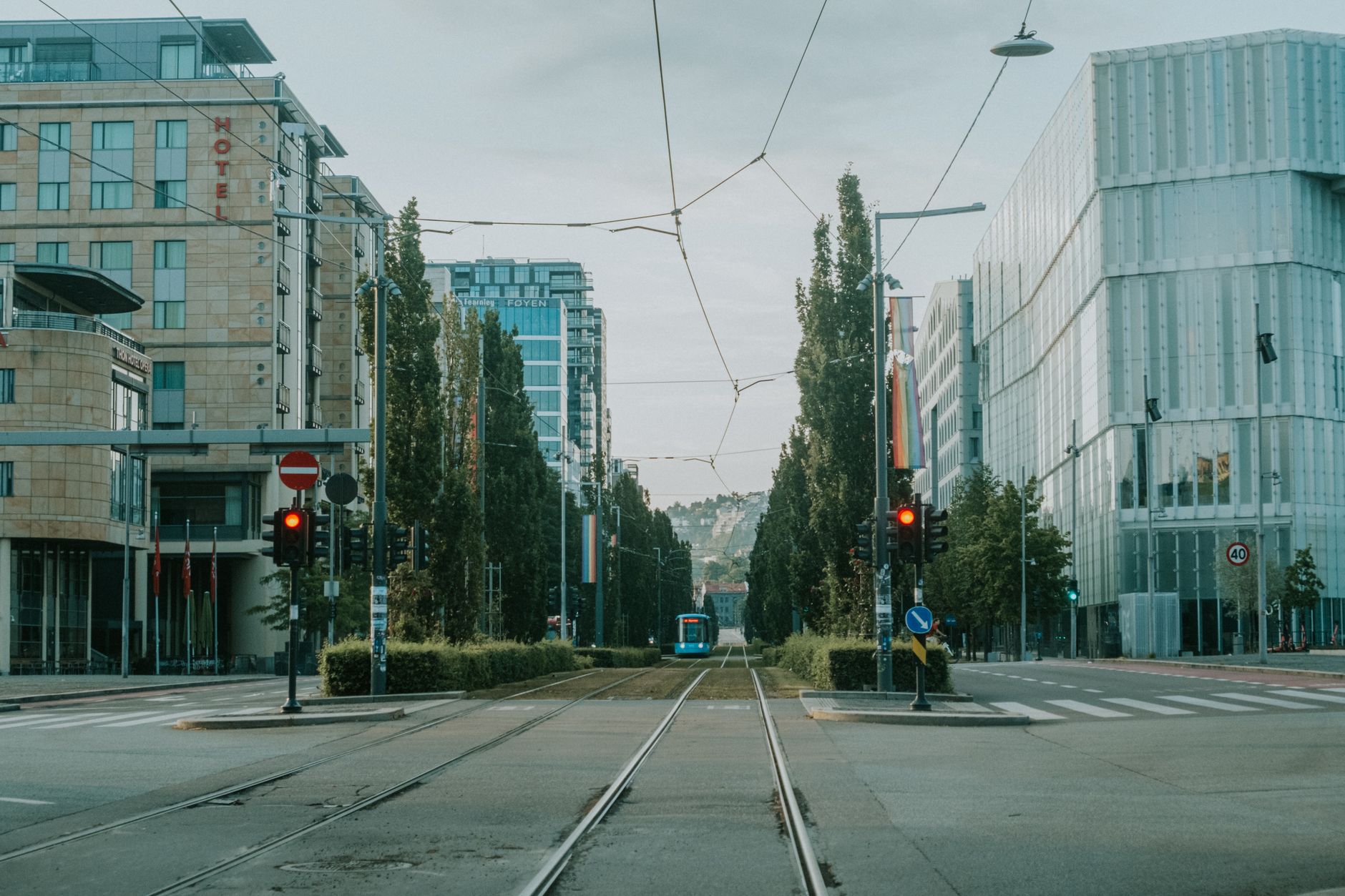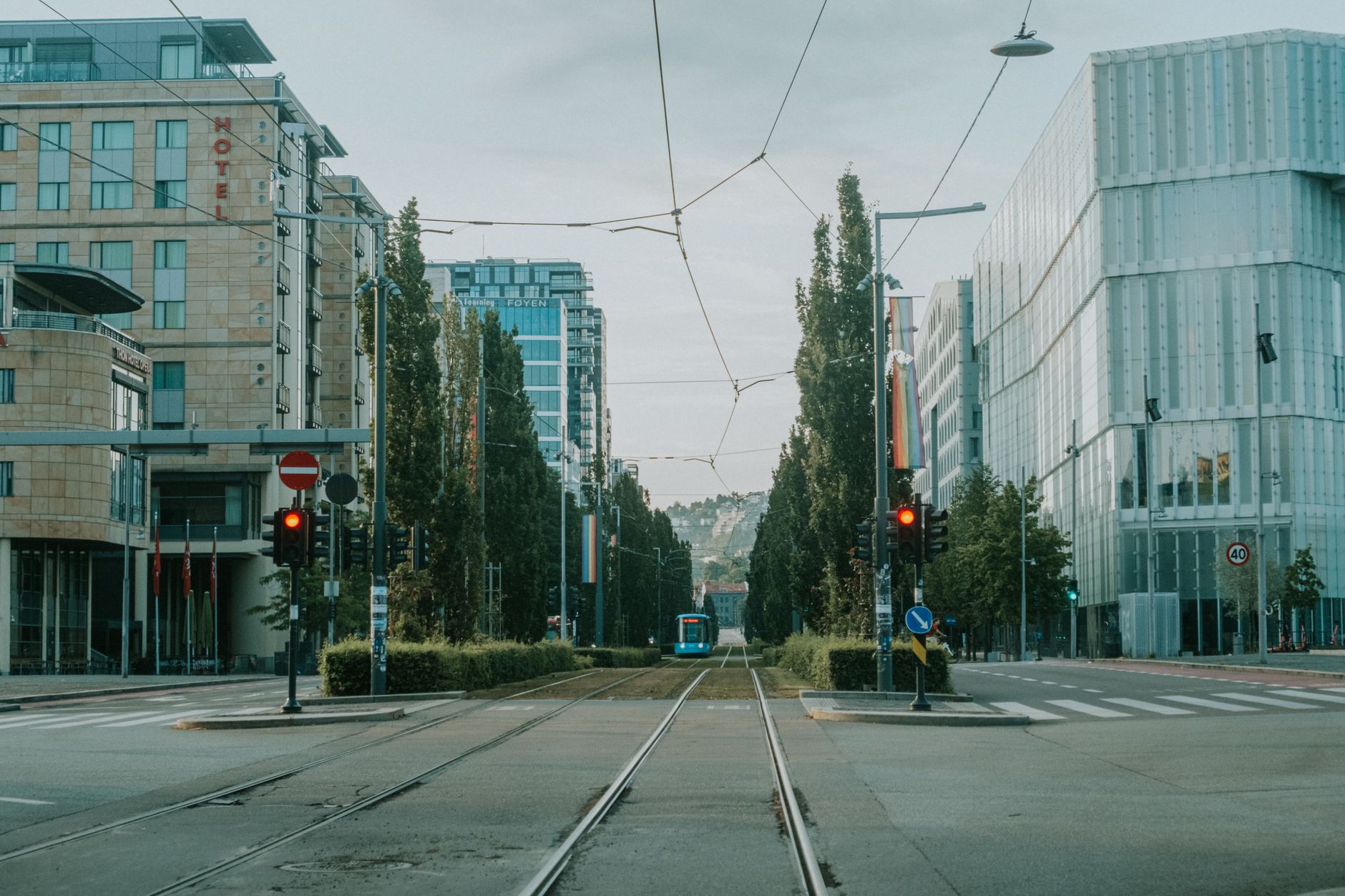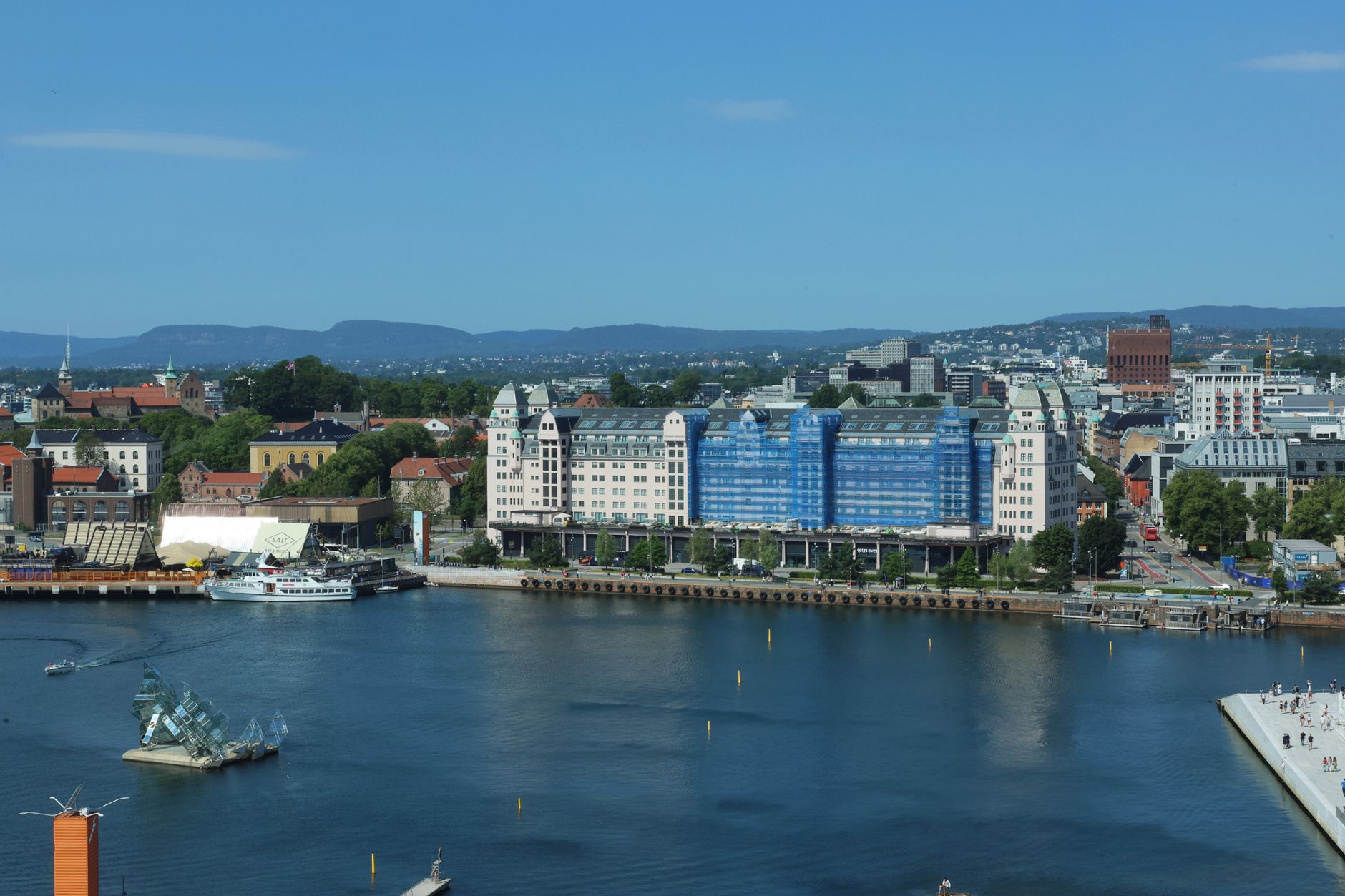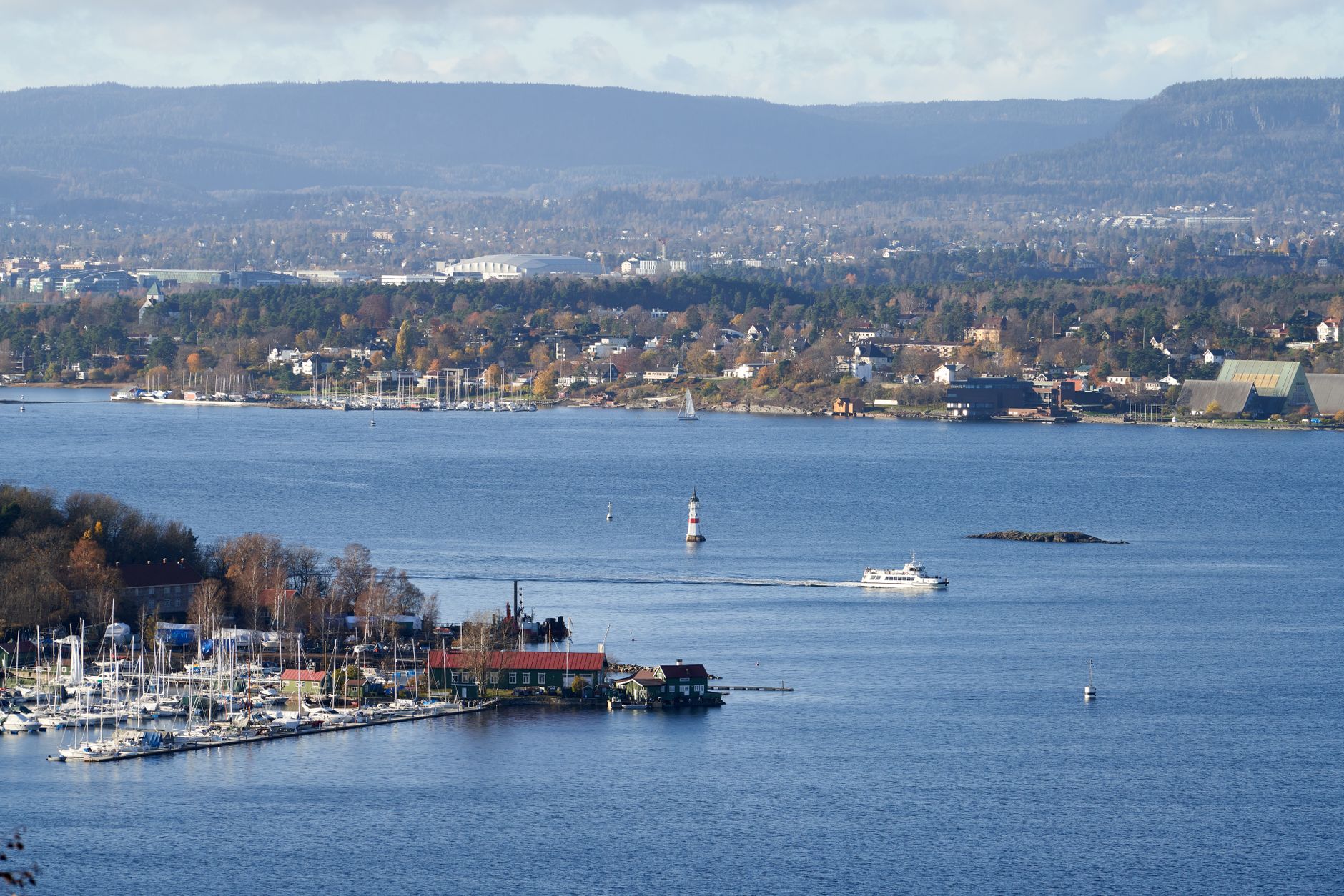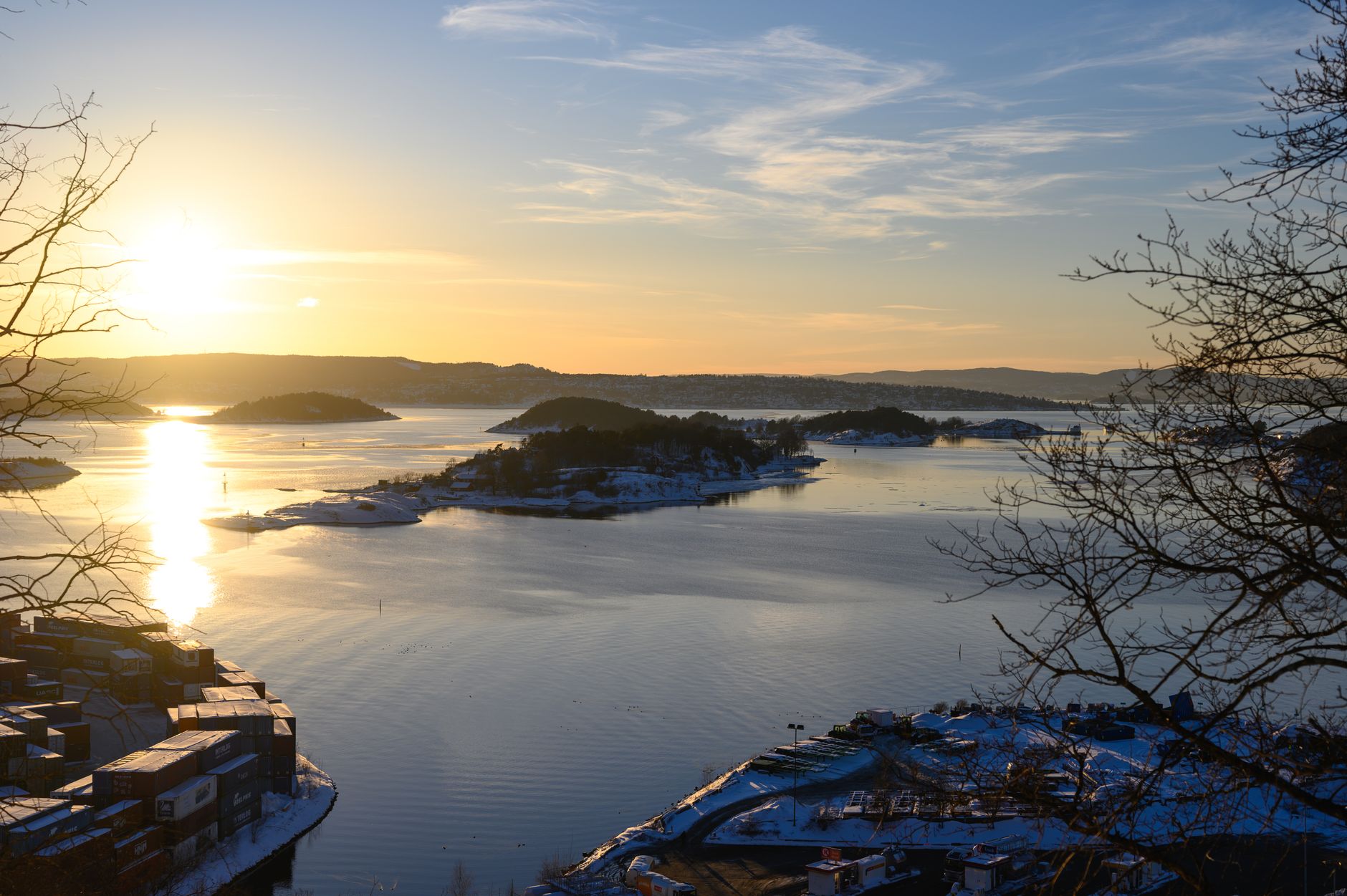
The best time to visit Oslo largely depends on the kind of experience you are after, since the city changes considerably throughout the year. Between summer days that barely get dark and freezing winters with snow on the streets, each season offers a different version of Norway's capital. It is also worth considering the type of activities planned, since a trip centered on outdoor walks calls for a different season than one built around museums and cultural life.
Summer: the most popular season
Between June and August, Oslo experiences its busiest months, with long days stretching well into the evening and mild temperatures that invite walks, ferry rides around the fjord islands and afternoons in the city's parks. It is also the season with the highest accommodation prices, so booking ahead tends to pay off, especially for central areas.
Spring and autumn: a balance of price and experience
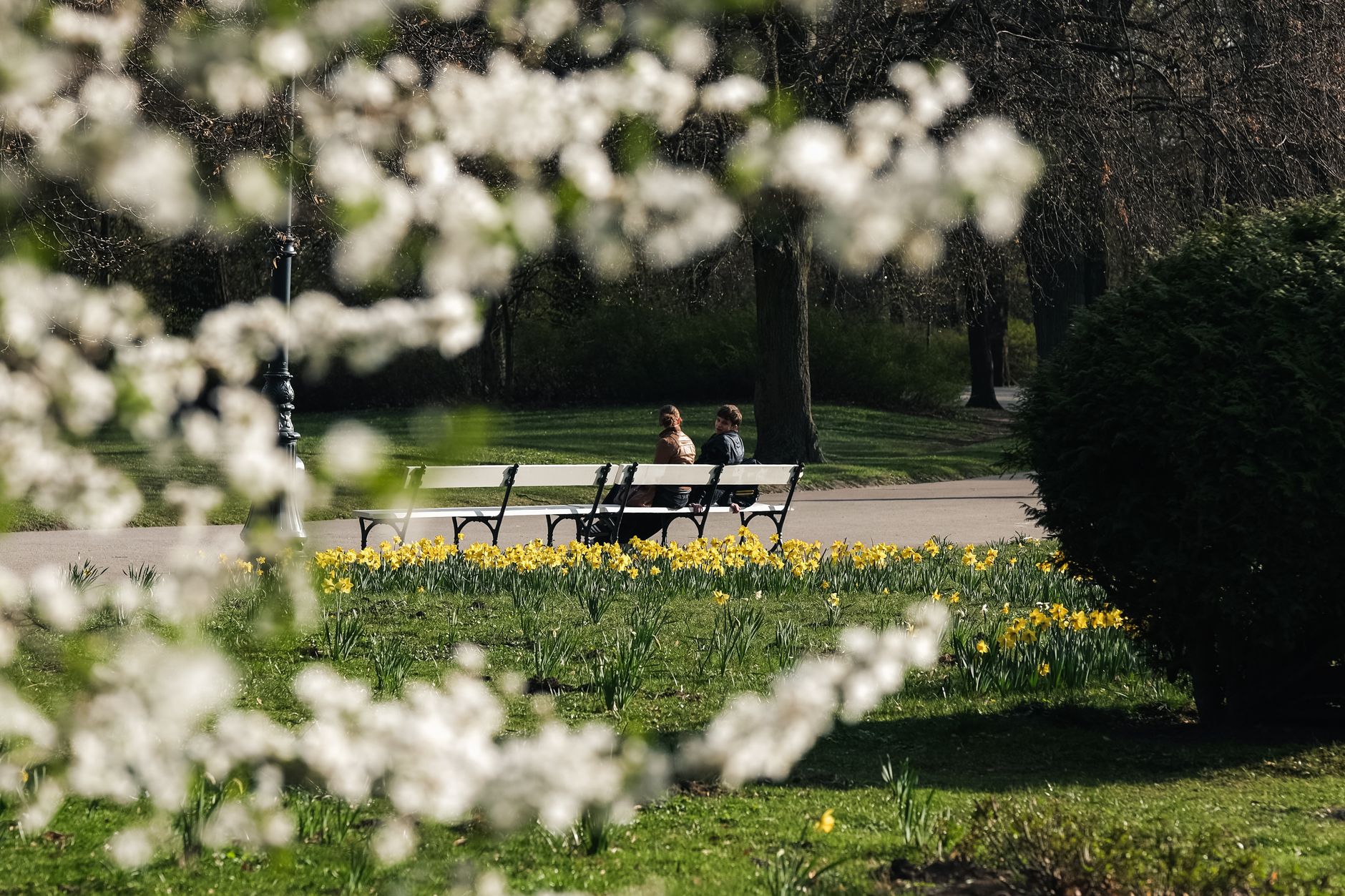
May and September are often recommended by those who already know Oslo, since they combine still reasonably long days with fewer tourists and more moderate prices. It is a good time to explore neighborhoods like Frogner and Grunerlokka at a slower pace, without the typical summer crowds.
Winter: snow, lights and fewer crowds
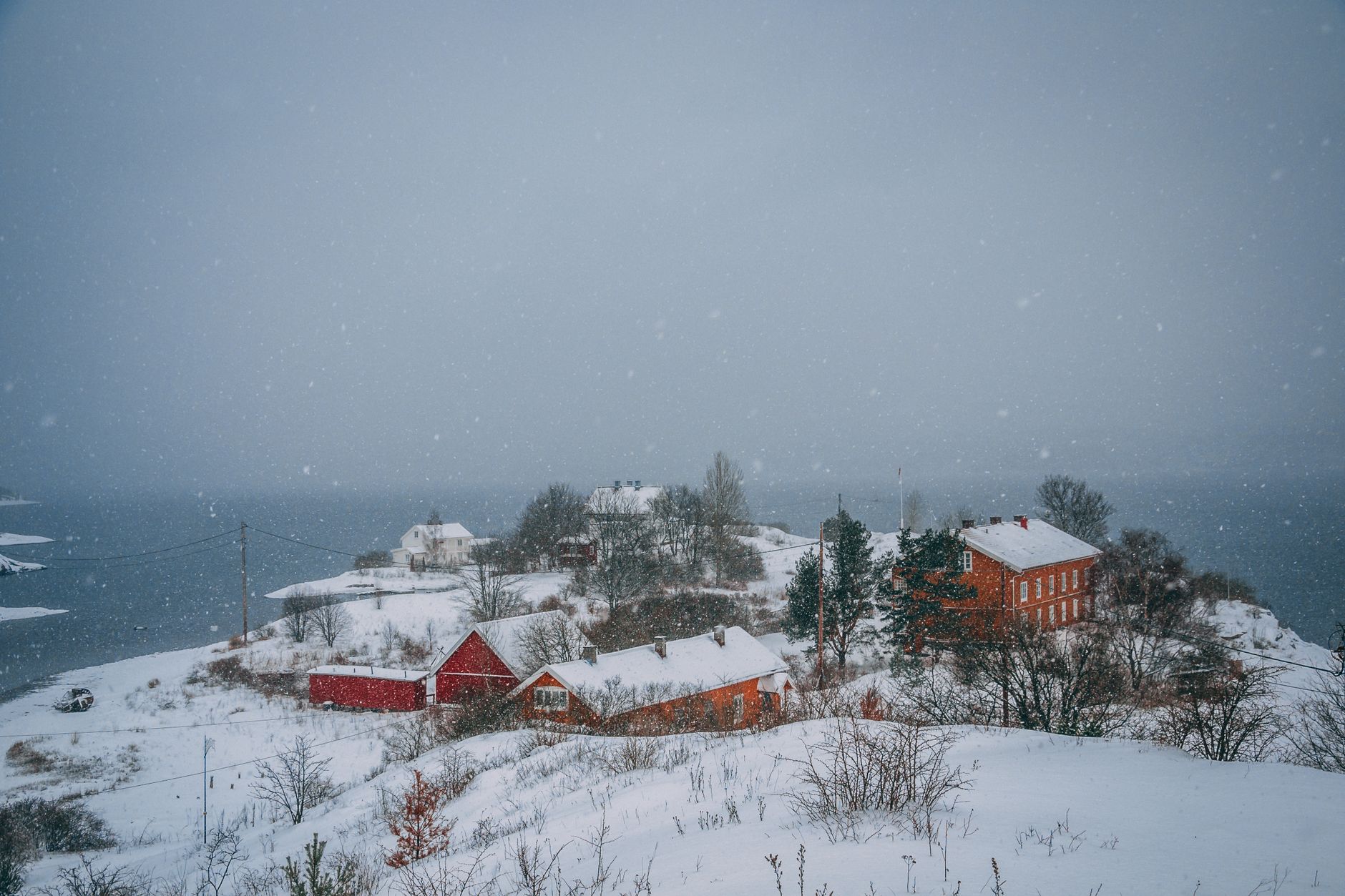
From December to February, Oslo turns into a proper Nordic winter city, with snow, seasonal markets and an atmosphere quite different from the rest of the year. Temperatures drop significantly, so proper clothing is essential, but those who do not mind the cold find a quieter city with typically lower accommodation prices than in summer.
Where to stay depending on the season
In summer, with demand on the rise, it is worth booking ahead options such as Frogner House Apartments, Oslo. Bygdoy Alle 53, especially for families wanting extra space. Outside peak season, accommodation such as Saga Apartments Oslo or MediInn Hotel Oslo tends to have more availability and more accessible prices, a good opportunity for travelers with flexible dates.
Season-by-season summary
- Summer (June to August): long days, more outdoor activities, higher prices
- Spring and autumn (May and September): good balance of weather, prices and fewer crowds
- Winter (December to February): intense cold, authentic Nordic atmosphere, lower prices
Events and special periods
Throughout the year, Oslo also hosts a few events that can influence the choice of travel dates, from Norway's Constitution Day, celebrated on the seventeenth of May with parades through the city, to Christmas markets in winter. Anyone wanting to time a trip around this kind of celebration should book accommodation even further in advance, since demand tends to rise considerably around these dates. Travelers who prefer to avoid crowds should consider dates outside these specific periods. Travelers chasing the northern lights should note that Oslo itself is too far south for reliable sightings, though nearby regions further north become more accessible once winter travel connections are in full swing, which is worth factoring into a longer Norwegian itinerary built around Oslo as a starting point.
Whichever season you choose, compare the accommodation options in Oslo on TravelGuest and secure your booking with the lead time that suits that time of year.