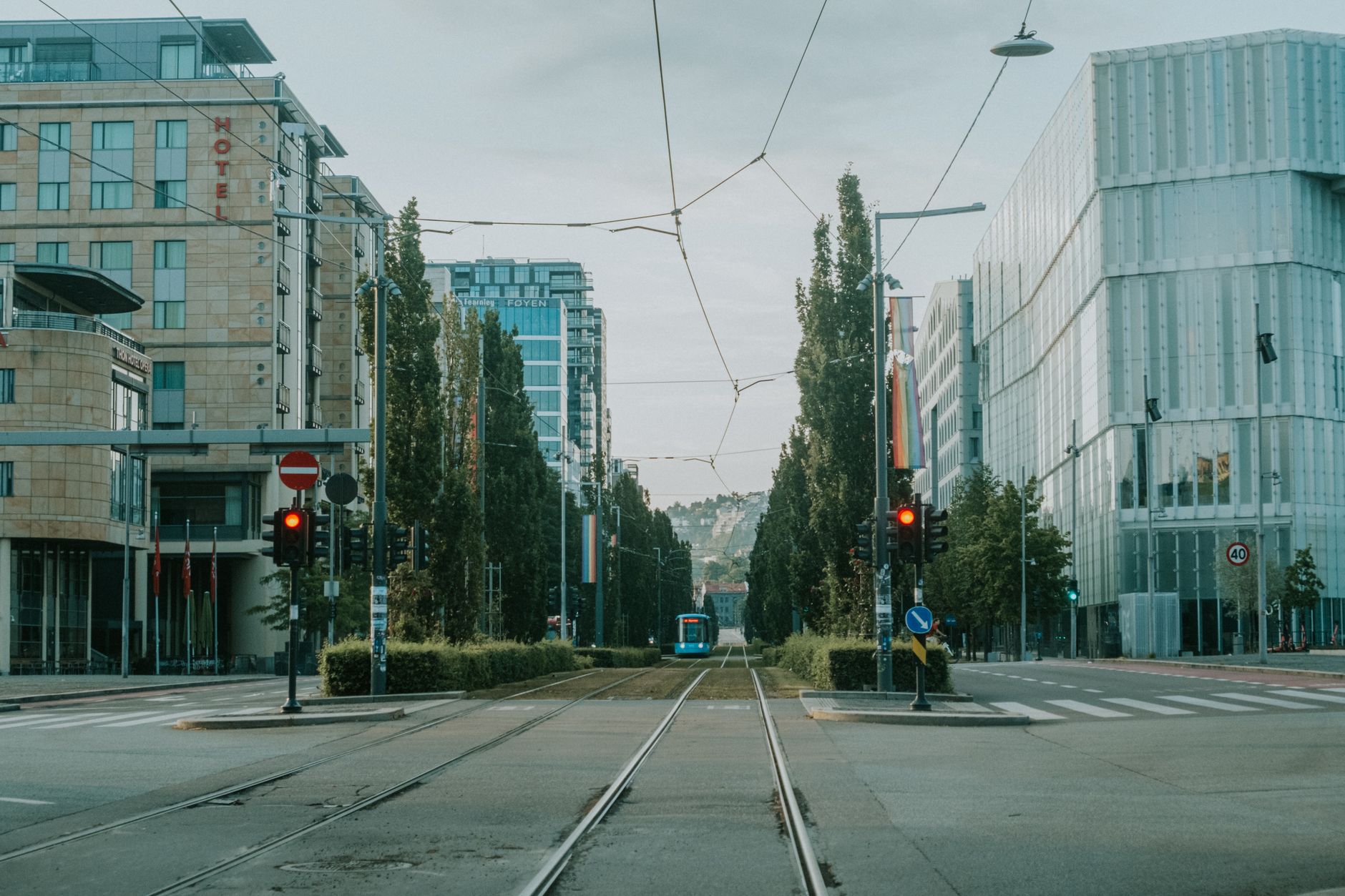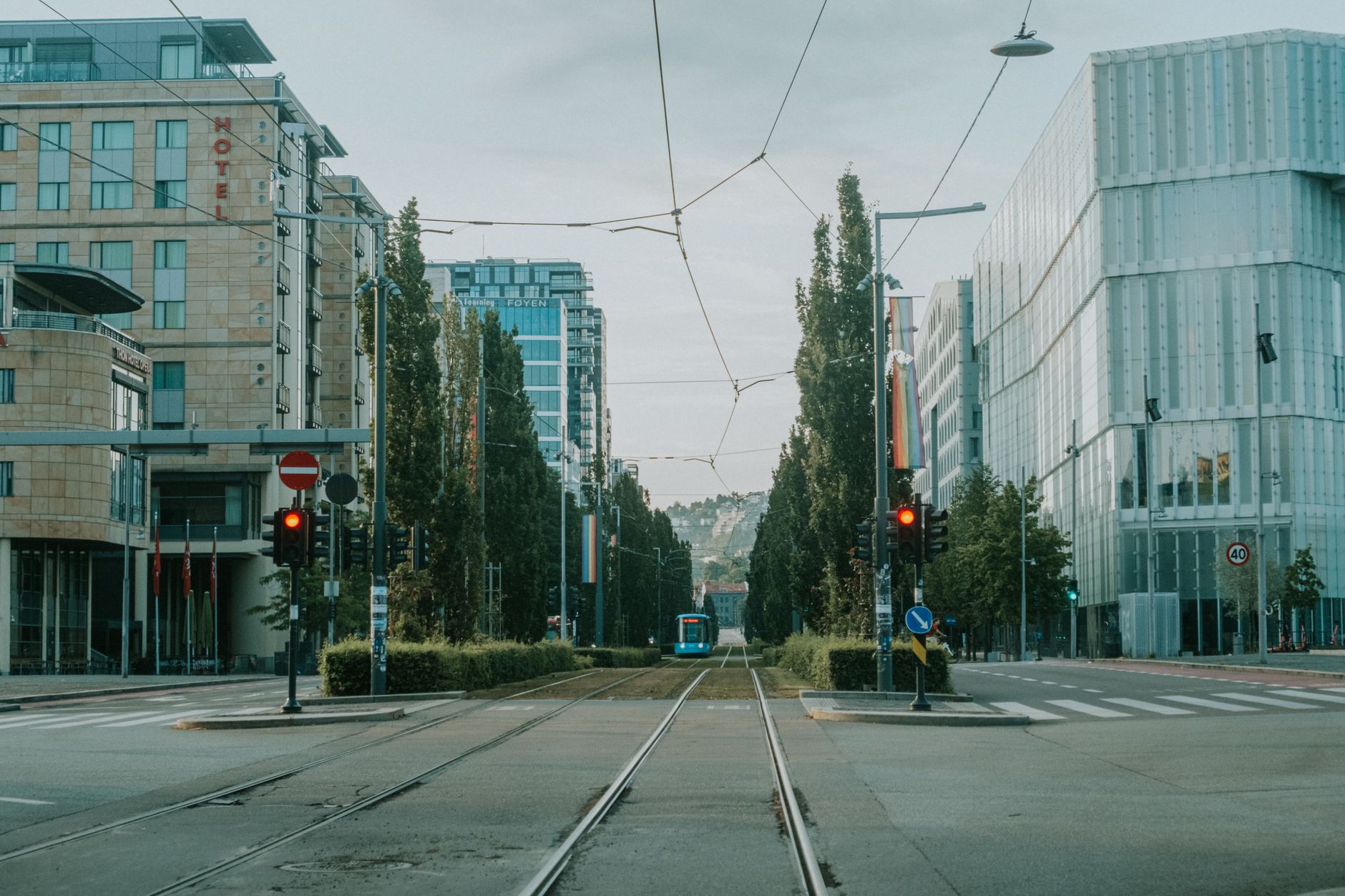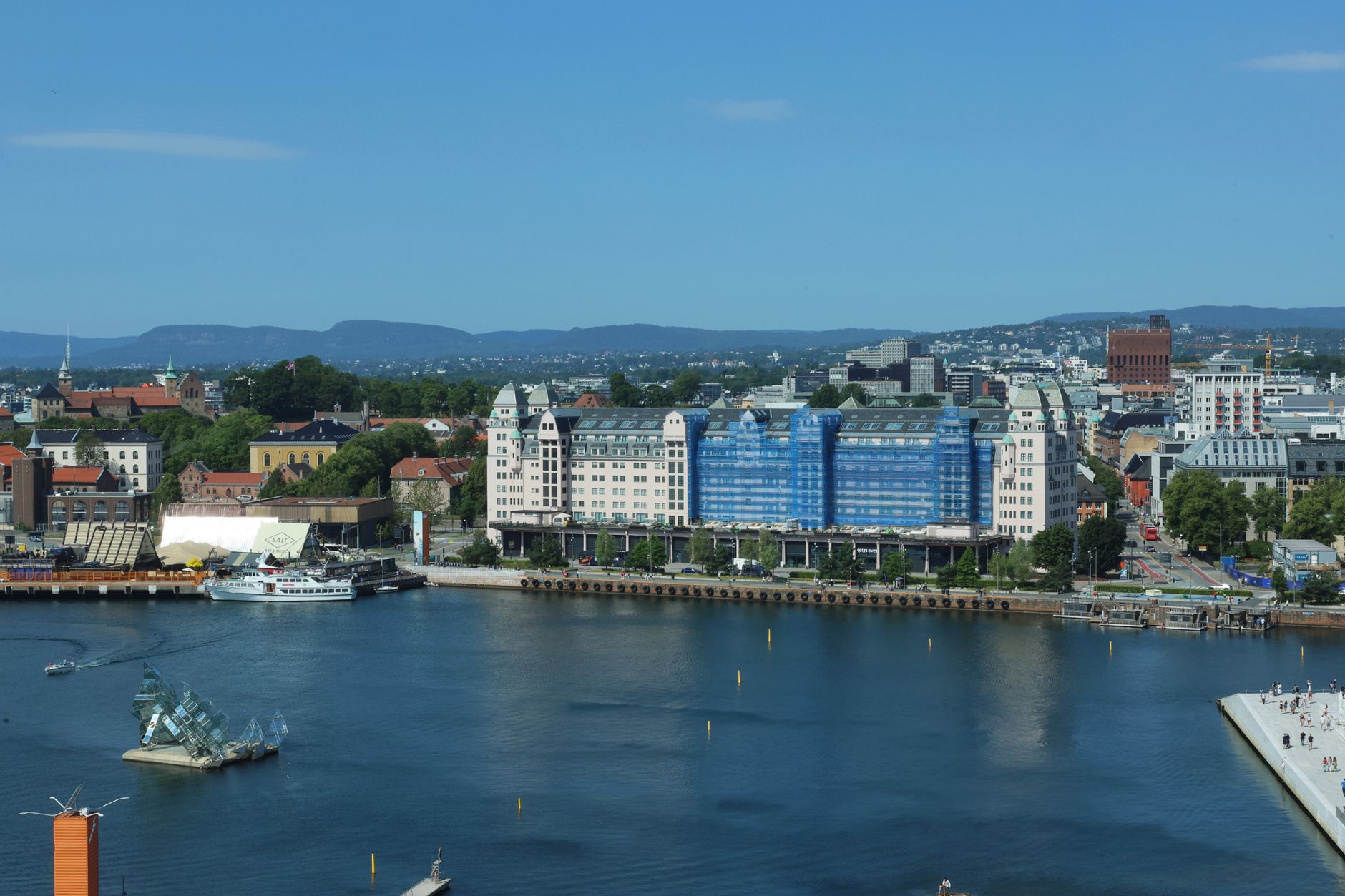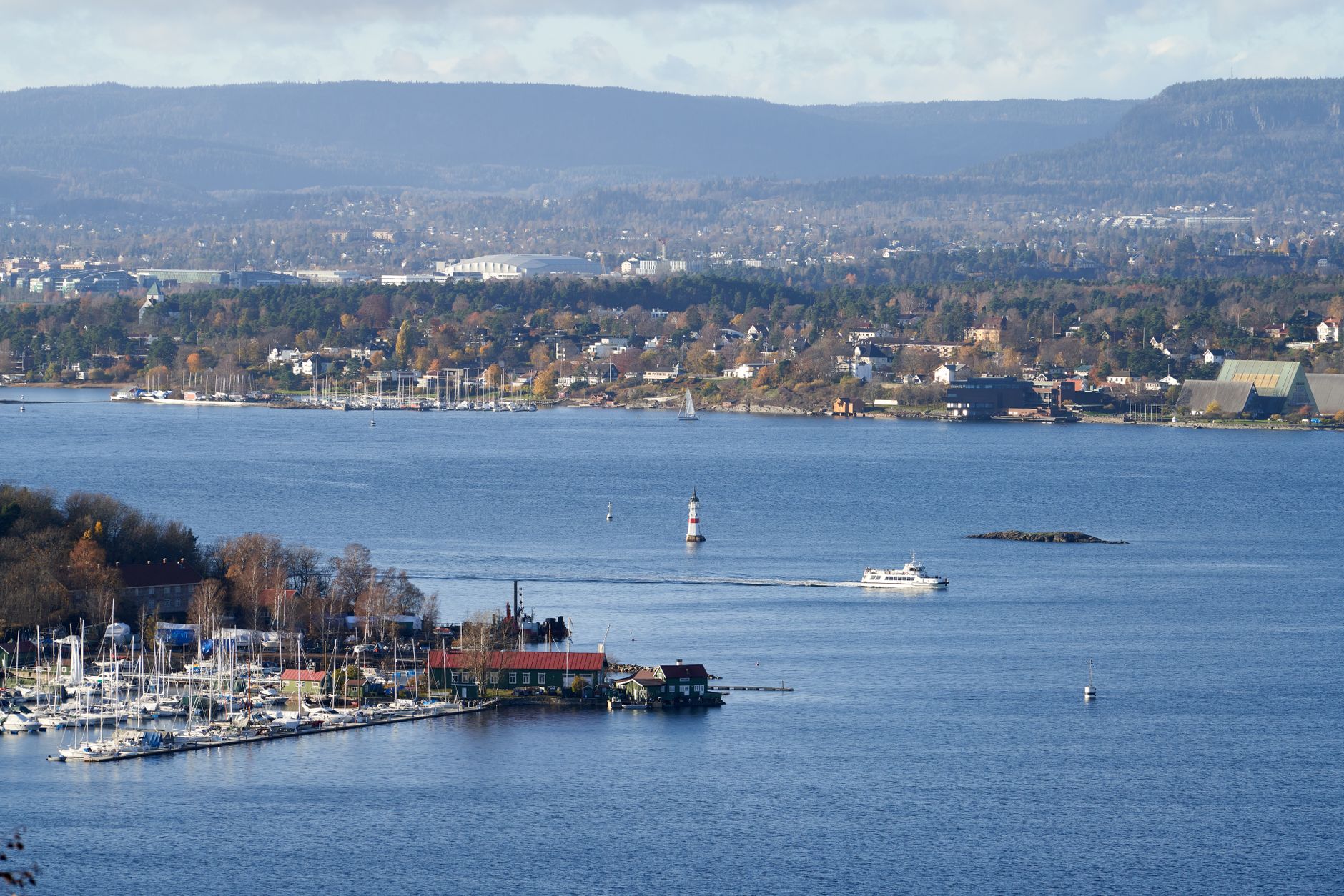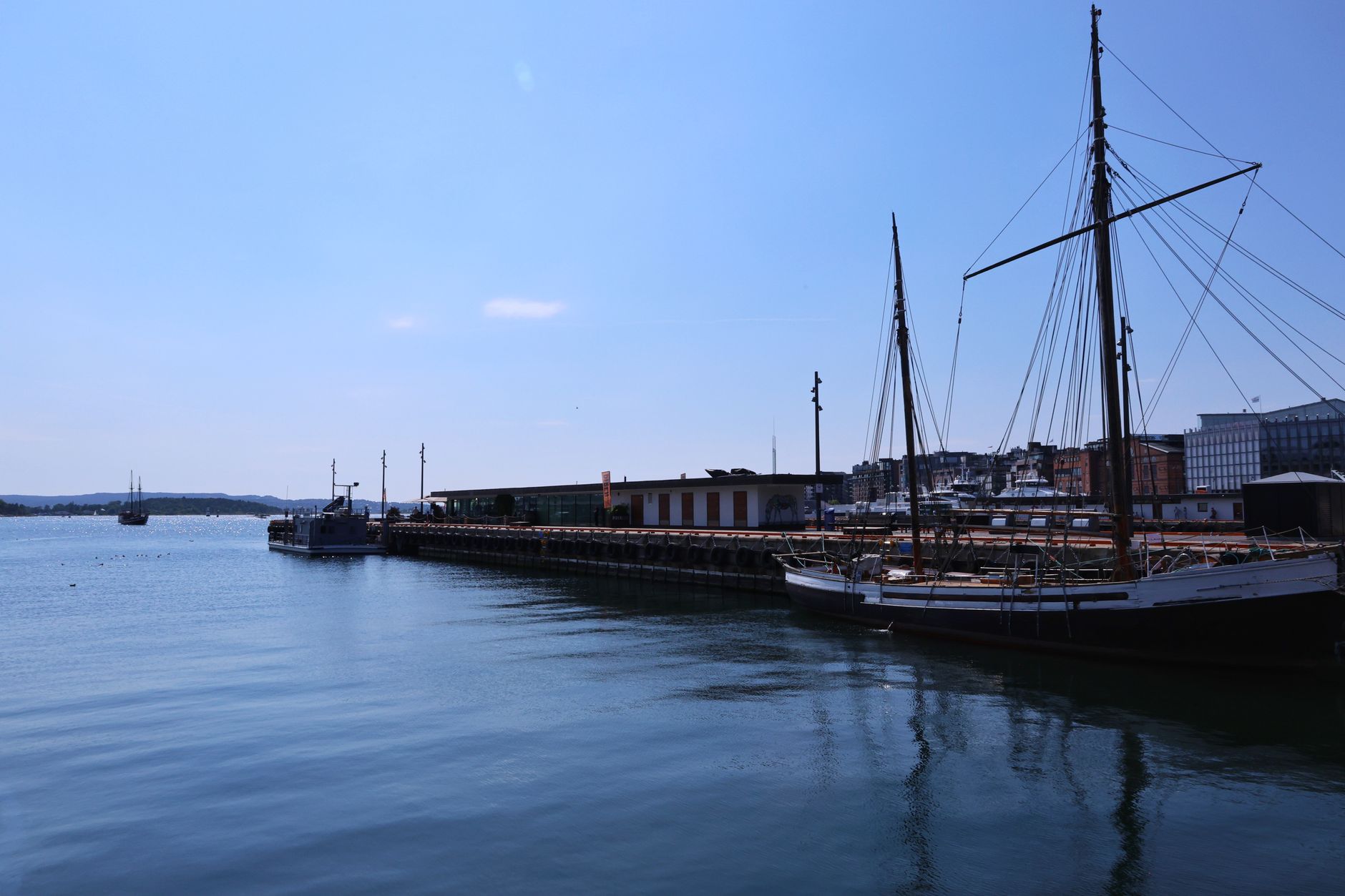
Oslo is rarely the first city that comes to mind when people think of Scandinavian capitals, yet it tends to be the one that surprises visitors the most. Surrounded by fjords, green hills and forest, Norway's capital combines a relaxed urban pace with nature that begins right at its doorstep. For first-time visitors, this guide covers the essentials for planning a smooth trip.
Getting there and getting around
Oslo Airport, in Gardermoen, is well connected to the city center via the Flytoget express train, which takes around twenty minutes. Within the city, public transport is efficient and covers trams, the metro, buses and even ferries to the islands of the fjord. A multi-day Ruter travel card usually pays off for anyone planning to explore several neighborhoods without relying on taxis.
Neighborhoods worth knowing
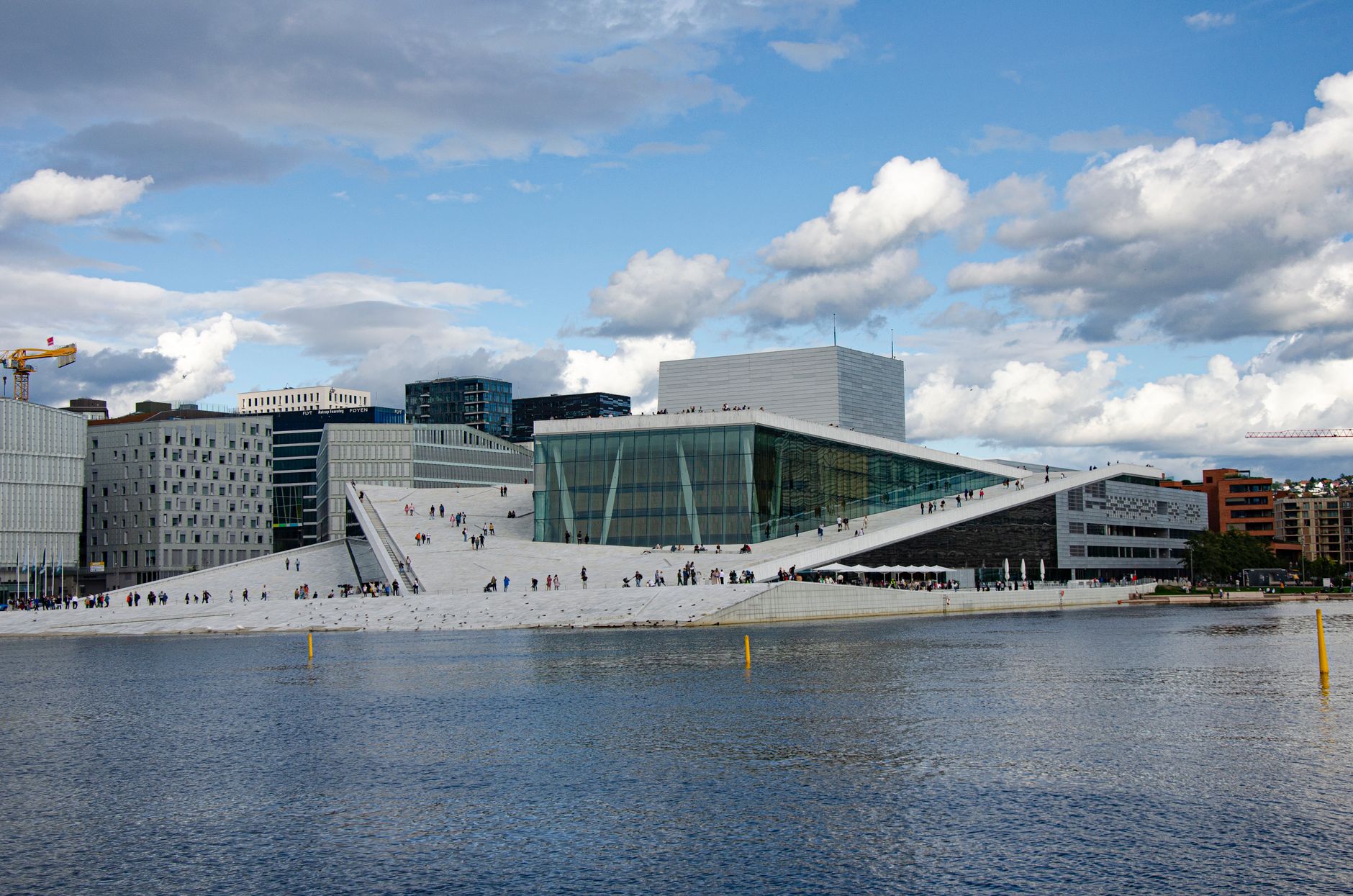
The historic center is home to the Royal Palace, the Cathedral and the busy Karl Johans gate, the city's main street. Grunerlokka is the more bohemian district, full of independent cafes and vintage shops, while Frogner is synonymous with elegance, tree-lined streets and the famous Vigeland sculpture park. The harbor area, with the Opera House and the modern Bjorvika district, shows a more contemporary side of Oslo and is worth a full afternoon of exploring on foot.
Where to stay
Choosing accommodation in Oslo usually comes down to balancing price and proximity to the center, since the city is not among Europe's cheapest. For longer stays, apartments such as Saga Apartments Oslo offer extra space and independence, a good option for families or groups of friends. In Frogner, Frogner House Apartments, Oslo. Bygdoy Alle 53 sits close to the sculpture park in a quiet residential area, ideal for travelers who prefer calm evenings. Those looking for simplicity and a good base for exploring the city on foot might consider Norwegian Hotels And Apartments.
What not to miss
- The Vigeland sculpture park, one of the largest single-artist sculpture parks in the world
- The Bjorvika district, with the Oslo Opera House and its sloped roof open to walk on
- A walk or ferry ride around the islands of the Oslo fjord
- The Grunerlokka neighborhood, for coffee, markets and local atmosphere

Food and budget
Oslo has a reputation for being expensive, and that reputation is well earned, but there are ways to manage the budget. Covered food markets bring together several options at more reasonable prices than restaurants in the center, and supermarkets are reliable allies for breakfasts and snacks. It is also worth taking advantage of the city's parks for picnics on sunny days, a habit locals themselves rely on.
Practical tips
The currency is the Norwegian krone, and almost everything can be paid by card, even small purchases. English is spoken fluently practically everywhere, which makes communication easy. Oslo is also a safe city to walk around, even at night, and long summer days stretch well into the evening, making longer urban walks very rewarding.
Ready to plan your trip to Oslo? Browse the available accommodation options on TravelGuest and find the ideal base for discovering Norway's capital at your own pace.