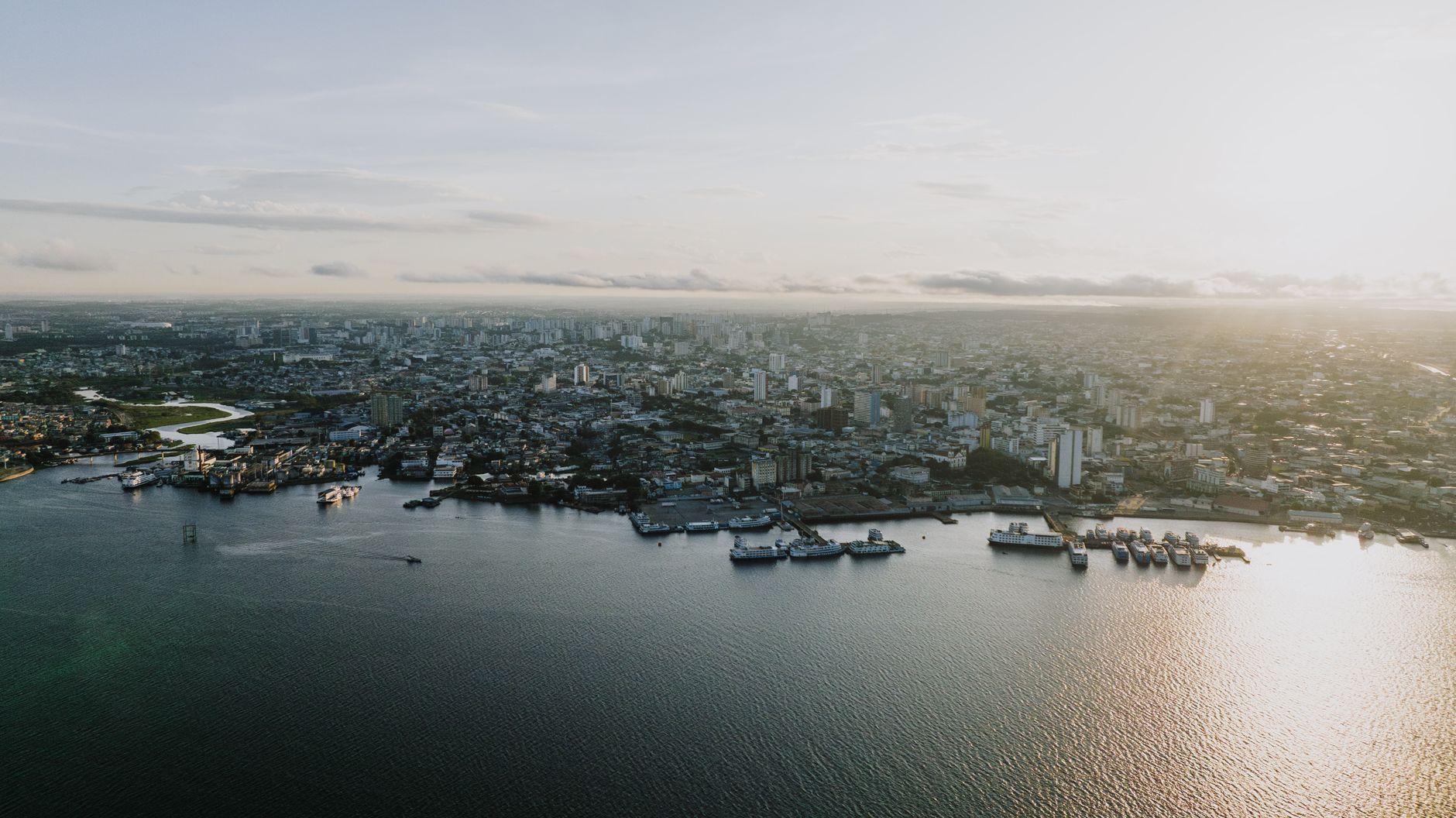
Marabá, in southeastern Pará, is one of the main gateways to eastern Brazilian Amazonia. Built where the Itacaiúnas River meets the Tocantins, the city grew through the region's successive economic cycles: first rubber, then Brazil nut harvesting, and later the mineral wealth of the Serra dos Carajás, one of the largest iron ore reserves in the world. For first-time visitors, Marabá stands out for its scale and the energy of an Amazonian city in constant transformation.
A city split by rivers
One of Marabá's most distinctive features is its urban geography. Where the Tocantins and Itacaiúnas rivers meet, the city is physically divided into three separate districts: Marabá Pioneira, the historic riverside neighborhood where the original settlement was founded; Nova Marabá, a more spread-out planned district; and Cidade Nova, the newer commercial hub. Moving between these areas usually means crossing bridges or using river transport, which gives a visit to Marabá a character quite different from other Brazilian cities.
Getting there and getting around
Marabá has its own airport with regular connections to Belém and other cities in Pará, making it fairly easy to reach from outside the state. Within the city, taxis and ride-hailing apps are the most practical way to get around, especially for visitors unfamiliar with the layout of the different districts. Renting a car can be worthwhile if you plan to explore the Carajás mining region or the rural surroundings during your stay.
Where to stay in Marabá
The city's hotel offer is largely geared toward business travelers connected to the mining industry and regional trade, but there are comfortable options for every kind of visitor. The Hotel de Trânsito ST-SGT de Marabá-PA and HOTEL MARIA are common starting points for travelers looking for convenience close to the center. The Hotel Carajás and Benni Hotel Marabá are often mentioned by those who value a central location with easy access to the city's services. It is worth comparing the different districts before booking, since the distance between the urban centers can affect how much time you spend commuting during your trip.
Climate and the best time to travel
Marabá has a hot tropical climate year-round, with a rainy season running roughly from December to May and a drier period from June to November. Travelers who prefer to avoid heavy downpours and more difficult road conditions should aim to visit during the drier months, both in the city and in the surrounding Carajás region.
Flavors and culture of Pará's Amazon
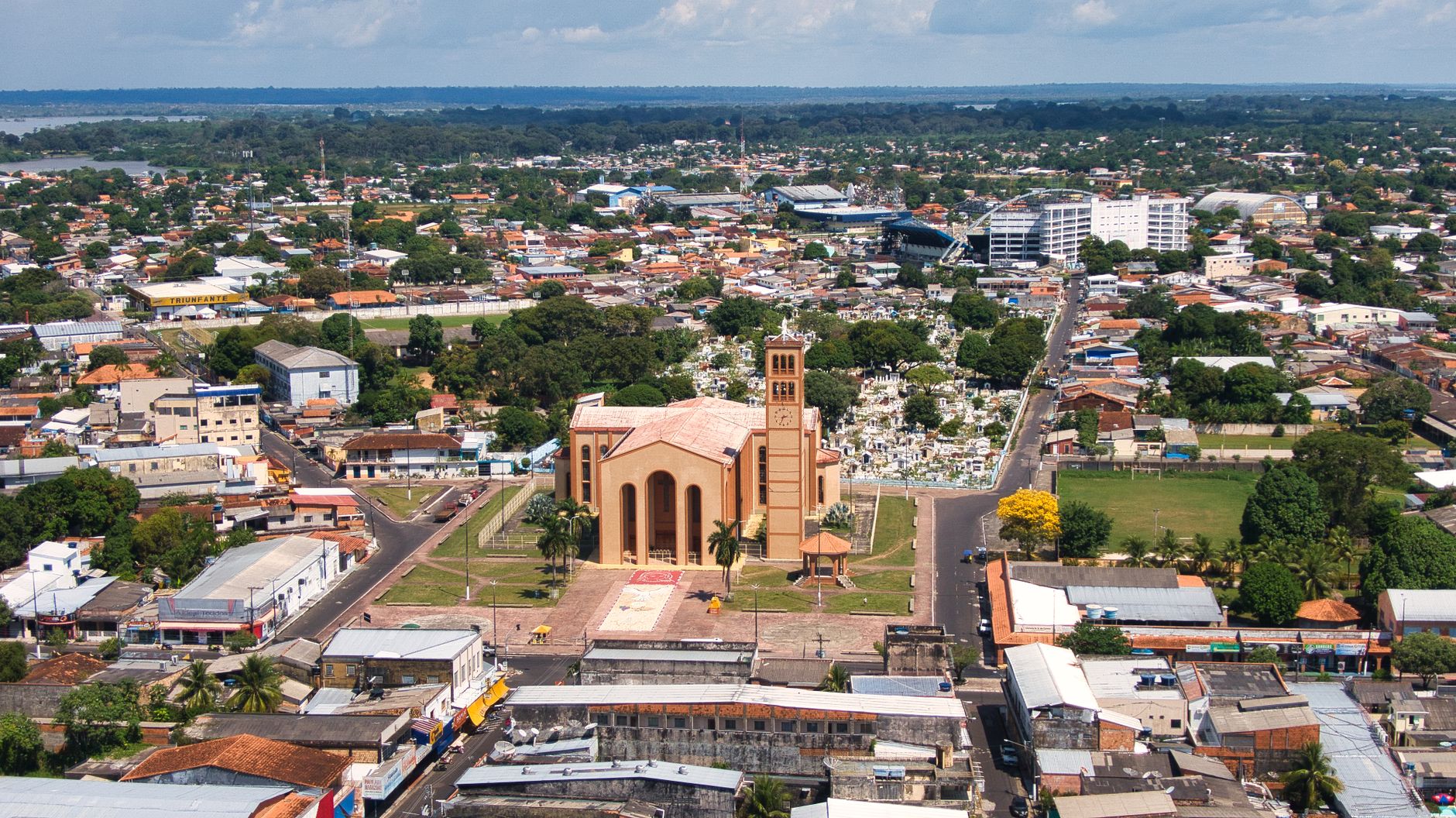
Local cuisine reflects the richness of the Amazon: river fish such as tucunaré and filhote, açaí-based dishes, cassava flour, and the classic maniçoba are everyday staples. The popular culture of Pará, with its festivals and rhythms such as carimbó, is also very present throughout the city, especially during festive dates and local markets.
If you are planning your first trip to Marabá, book accommodation ahead of time, choose the part of the city that best suits the purpose of your visit, and set aside time to try the region's typical flavors before heading out to explore the Serra dos Carajás.


