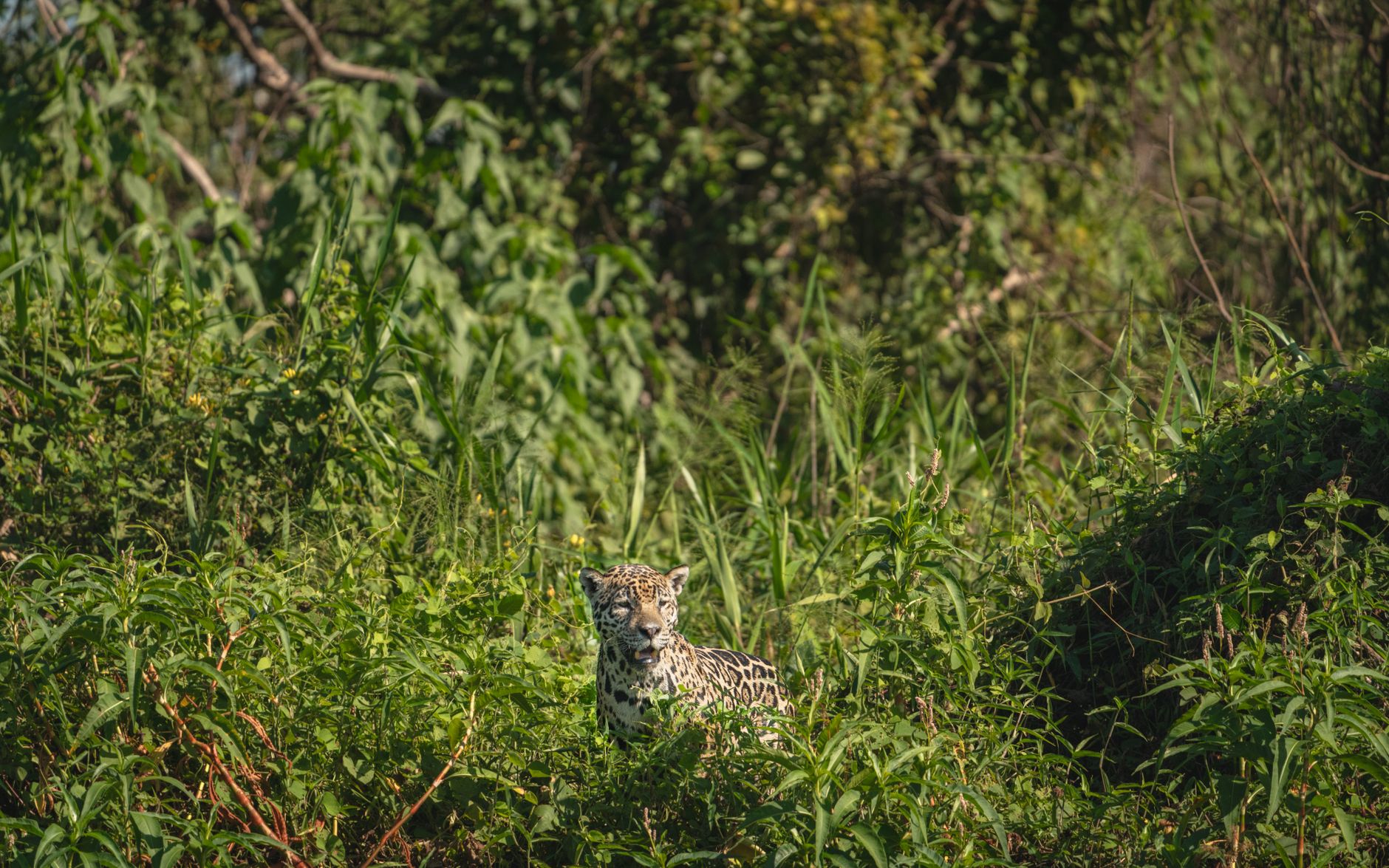
Juína, in northwestern Mato Grosso, is a city shaped by the advance of the agricultural frontier into the Amazon, and today it serves as a gateway to one of the state's most preserved regions. Surrounded by rivers, waterfalls, and remnants of rainforest, the city combines the dynamism of agribusiness with a growing potential for ecotourism.
A city on the edge between savanna and rainforest
Juína sits in an ecological transition zone, where cerrado (Brazilian savanna) vegetation gradually gives way to Amazon rainforest. This location makes the region particularly rich in biodiversity and explains the growing interest from travelers seeking nature experiences away from Brazil's more traditional tourist routes. The city is also known internationally among geologists for the diamonds found in the region, which have helped scientists study the composition of the Earth's deep interior.
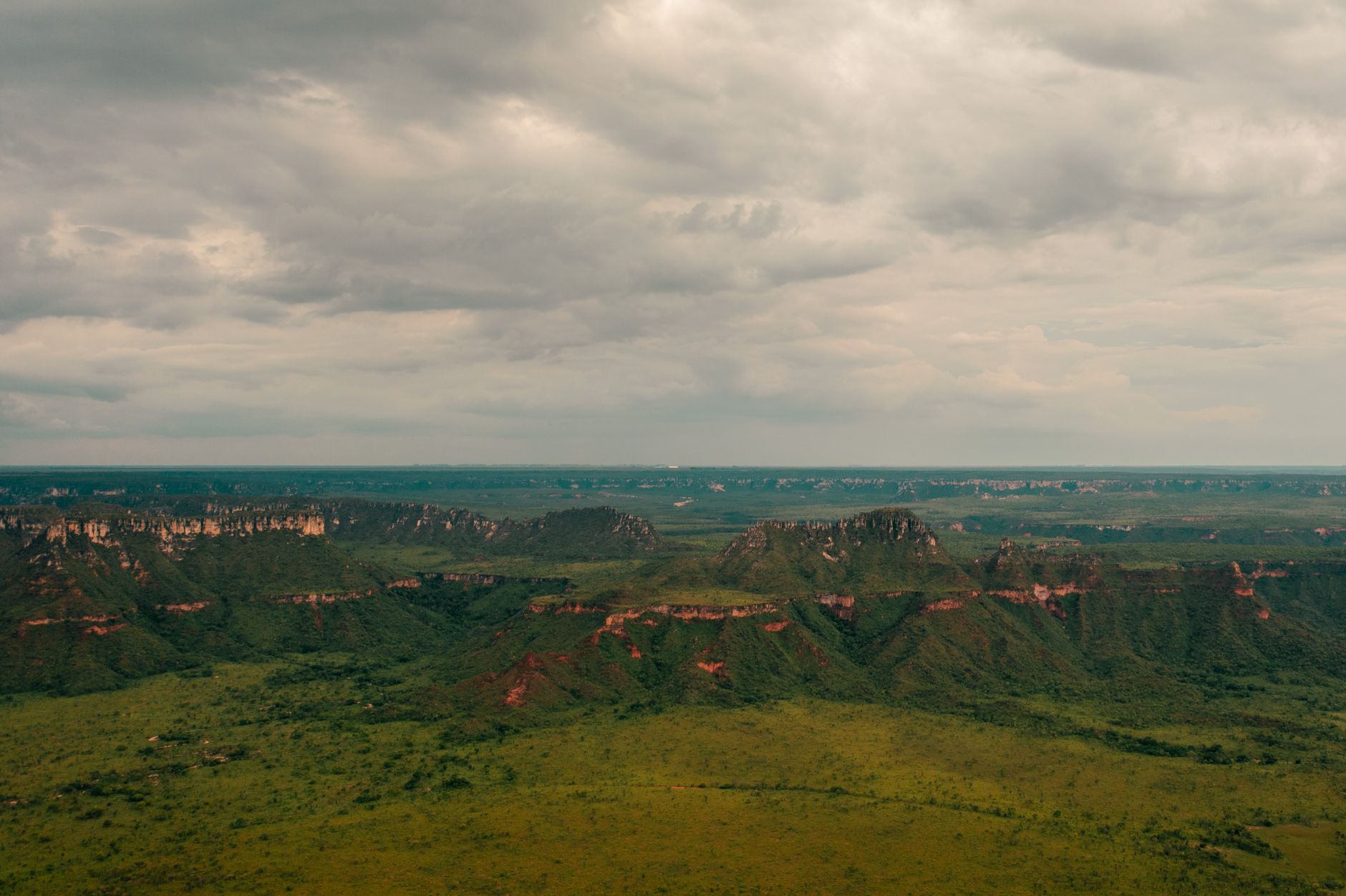
Getting to Juína
The most common way to reach Juína is by road from Cuiabá, the capital of Mato Grosso, or via regional flight connections to nearby municipalities. As an inland city, it's worth confirming available transport schedules ahead of time, especially if your trip also includes visits to nearby waterfalls and natural areas.
Where to stay in Juína
The city's hotel offer caters both to business travelers connected to agribusiness and to those visiting for leisure. The Garden Palace Hotel and Hotel Pretto e Pretto are common references for travelers looking for a central location. The Juína Hotel and Souza Hotel e Restaurante are often mentioned by those who value convenience and proximity to the city's main services.
What to expect from the trip
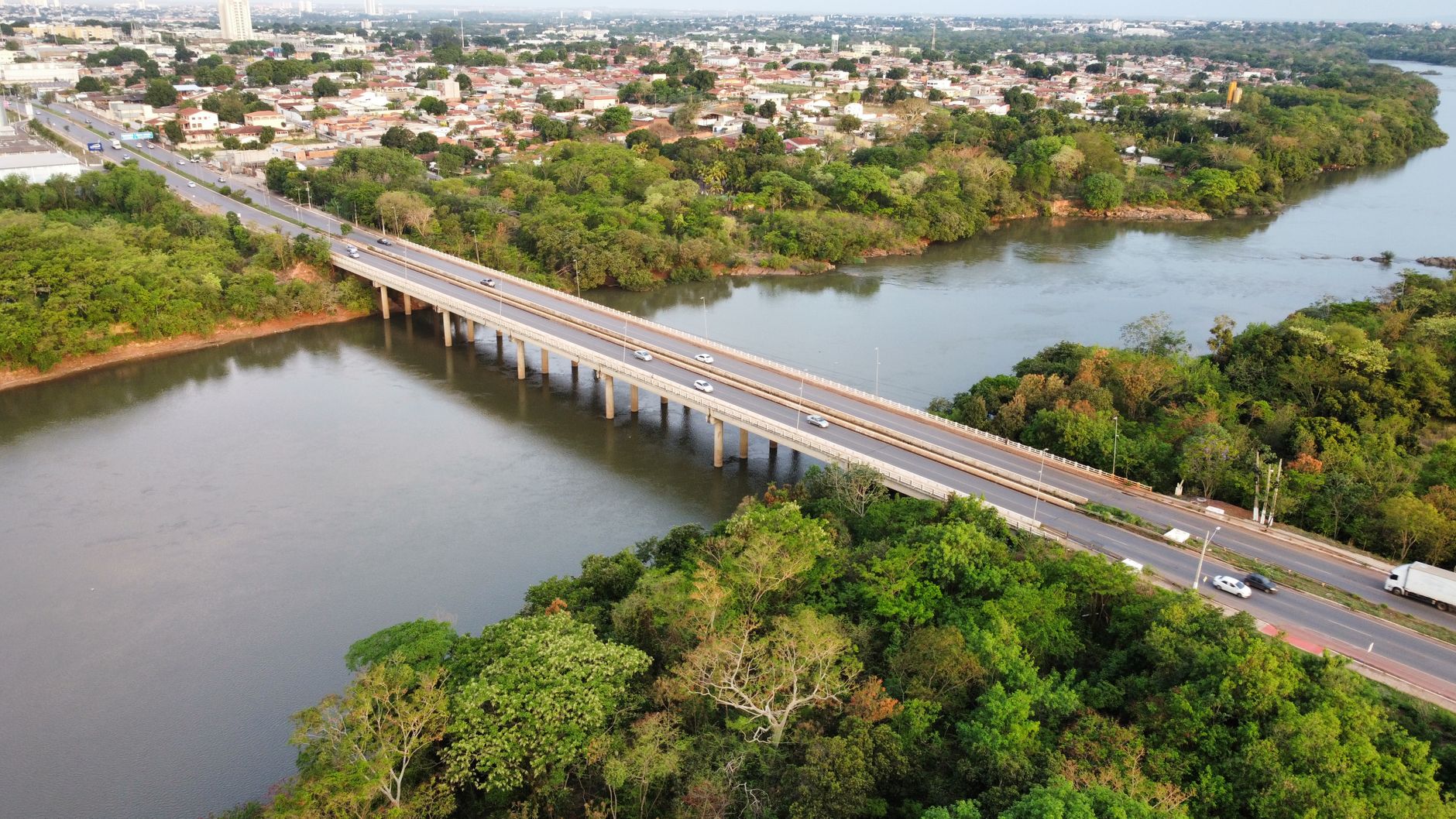
Juína is not yet a heavily touristed destination, which means visitors get a more authentic experience, away from crowds. The city works well as a base for exploring nearby waterfalls, rivers, and natural areas, so it's worth setting aside at least a few days to explore the surroundings and not just the urban center.
Food and local life
Juína's food scene reflects the mix of influences that shaped the region, blending inland Mato Grosso tradition with local agricultural produce. Meat dishes, freshwater fish, and fresh farm products are common at restaurants around town, often served in the generous portions typical of Brazil's interior. Exploring the local shops and talking with residents is also a good way to pick up less obvious recommendations about where to eat and what to see in the surrounding area.
Beyond hotels in the city center, some visitors choose to combine their stay in town with a night at rural properties in the surrounding countryside, allowing for a closer immersion in the local nature before or after exploring Juína's urban center.
Travelers arriving from other parts of Brazil should also allow some extra time for the journey itself, since Juína's inland location means road trips or regional flight connections can take longer than expected compared to more established tourist destinations.
If you're planning your first trip to Juína, check road conditions to the natural attractions in advance and book accommodation ahead of time, especially during busier periods linked to the region's agribusiness activity.


