An Icelandic town with very different faces by season
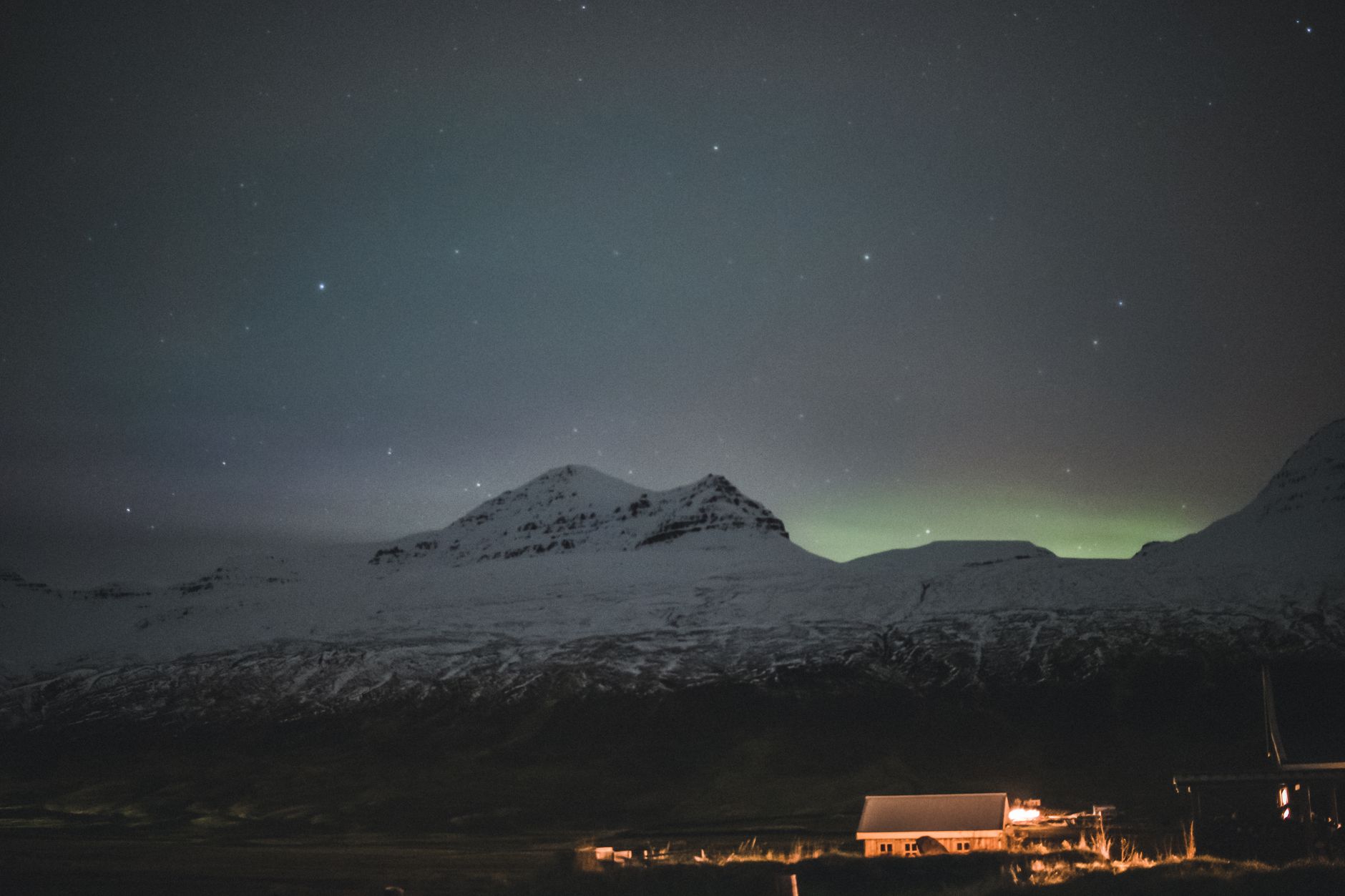
As with the rest of Iceland, the time of year completely changes the experience of visiting Hafnarfjörður. There is not really a wrong time to go, but rather different kinds of trips depending on what you are after: long days and festivals in summer, or dark skies suited to the northern lights in winter.
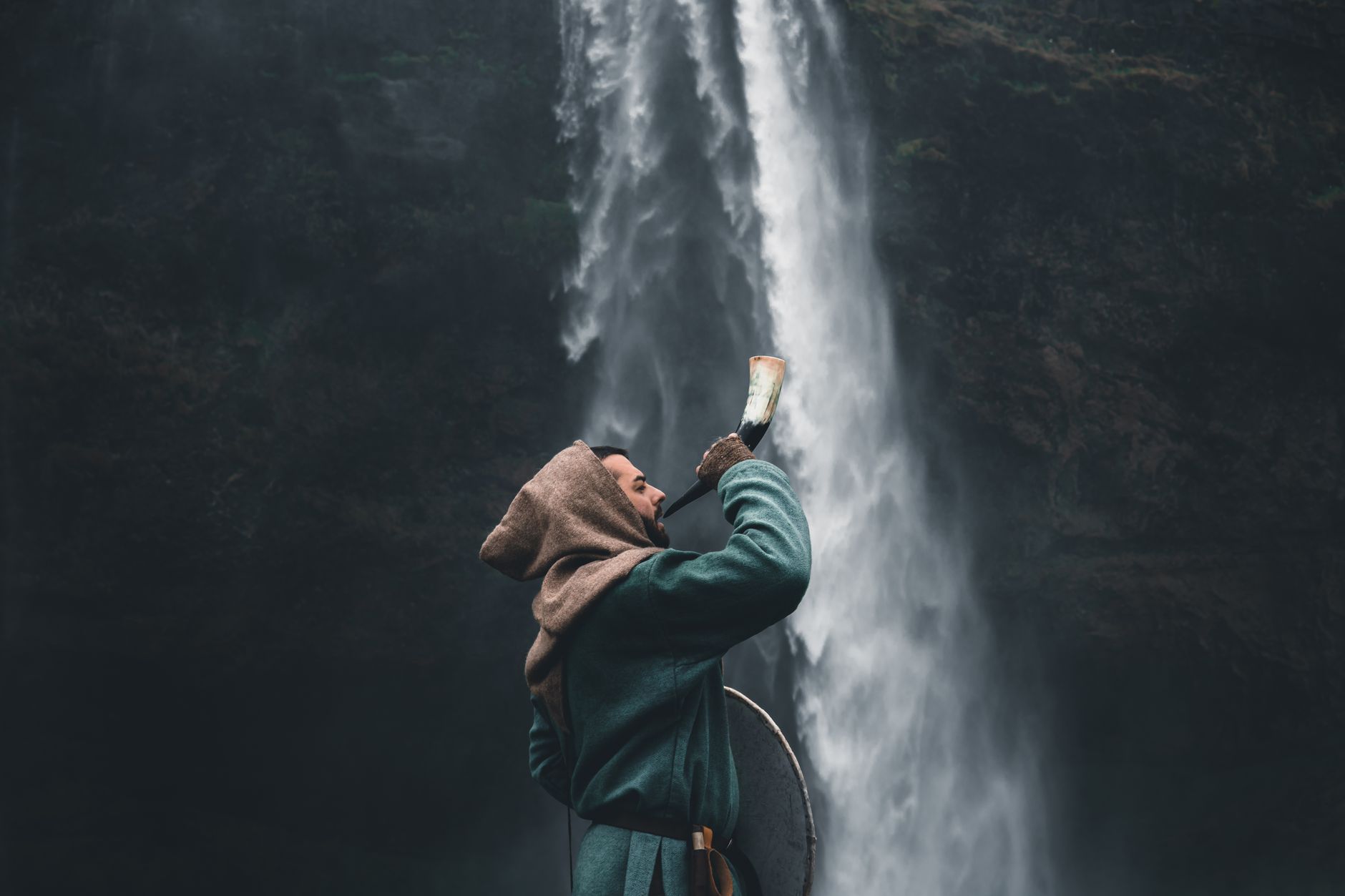
Summer: midnight sun and the Viking festival
Between June and August, Iceland enjoys extremely long days, with natural light lasting almost through the night at the height of summer. This is also when Hafnarfjörður hosts its well-known Viking festival, with historical re-enactments, themed markets and a distinctive atmosphere down by the harbour. Temperatures, while never very high, become pleasant enough for walking through the lava fields and outdoor trails. This is also when more tours and boat trips run regularly, widening the options for anyone wanting to combine Hafnarfjörður with other parts of the region.
Winter: short days, northern lights
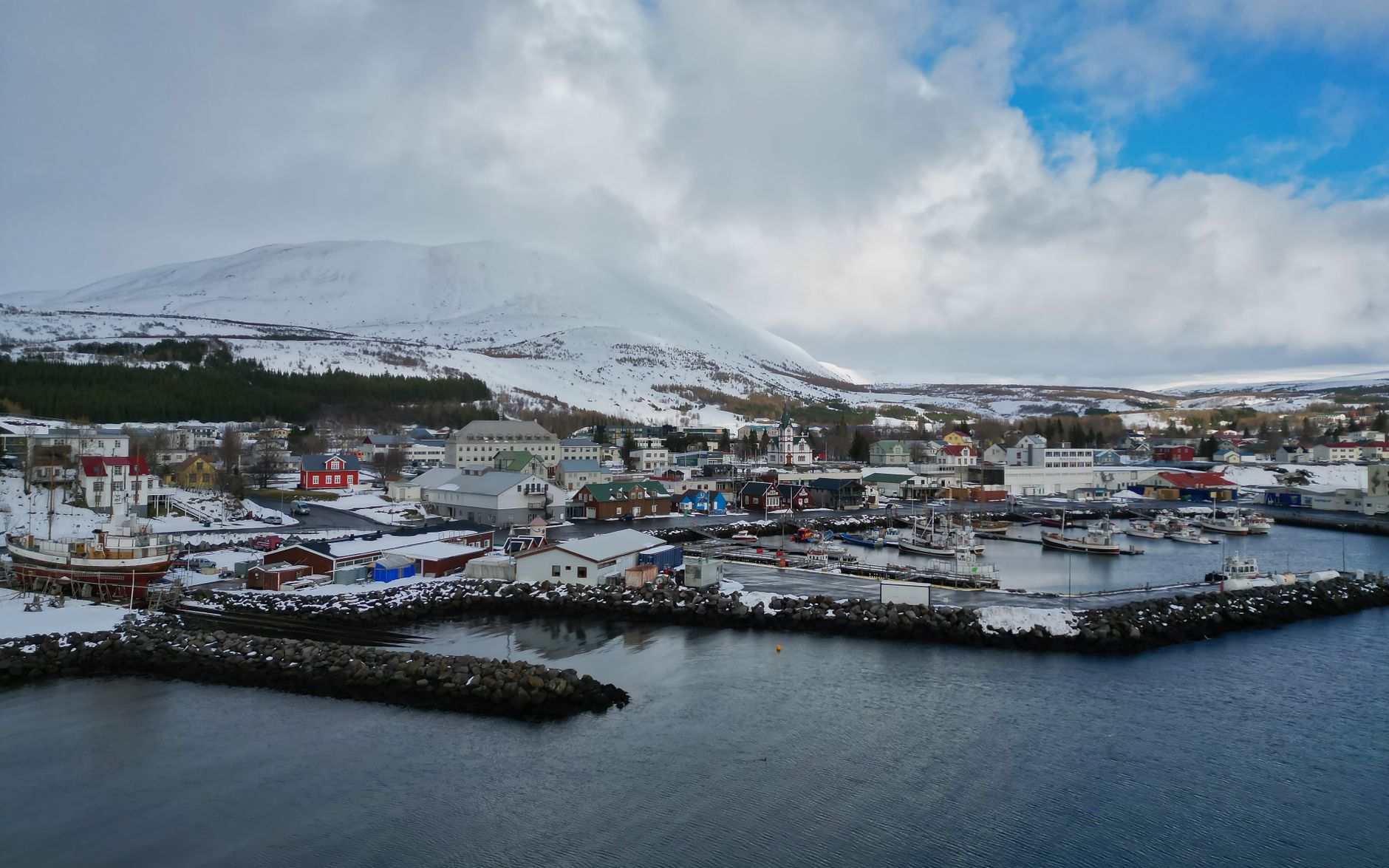
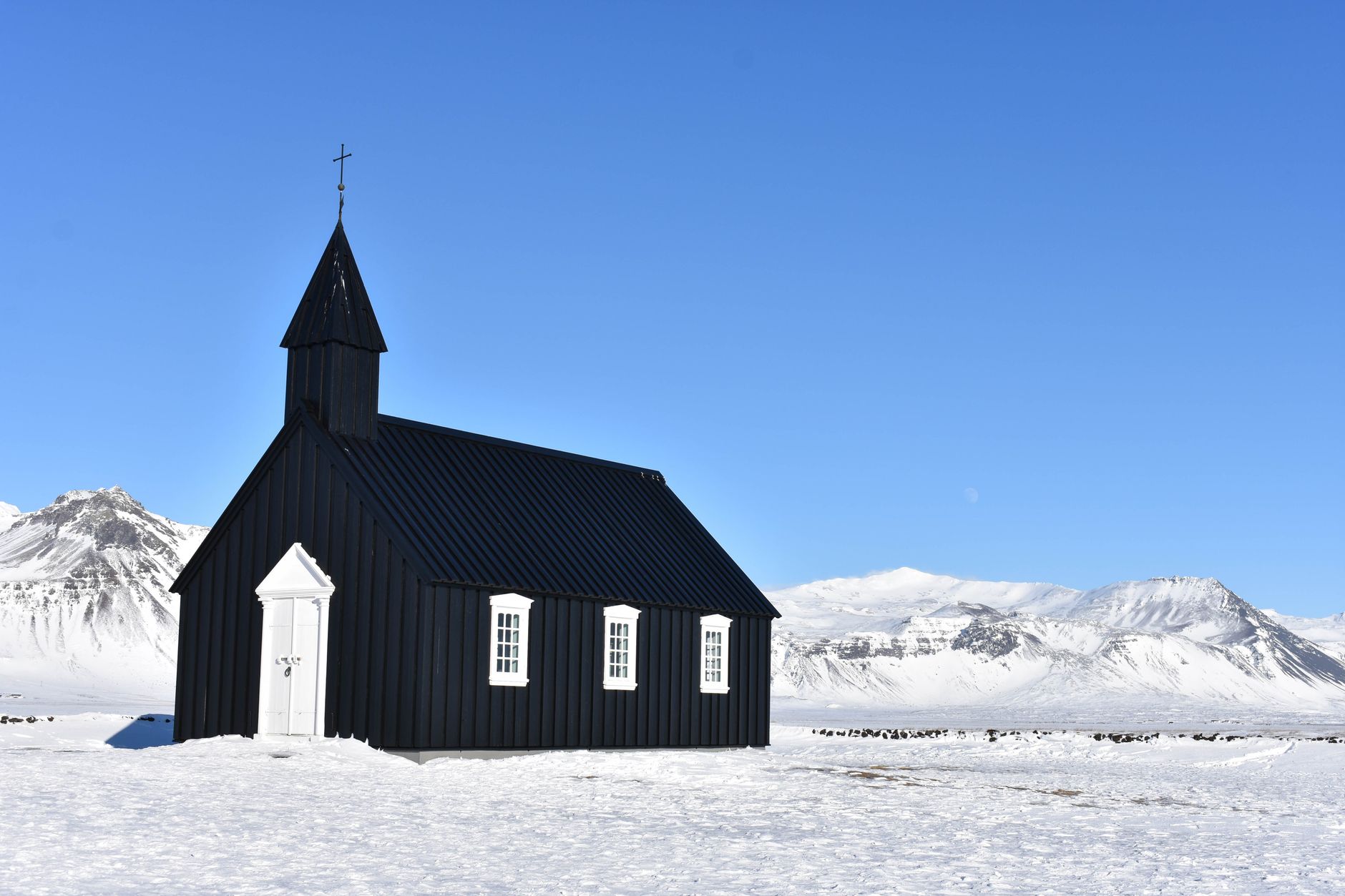
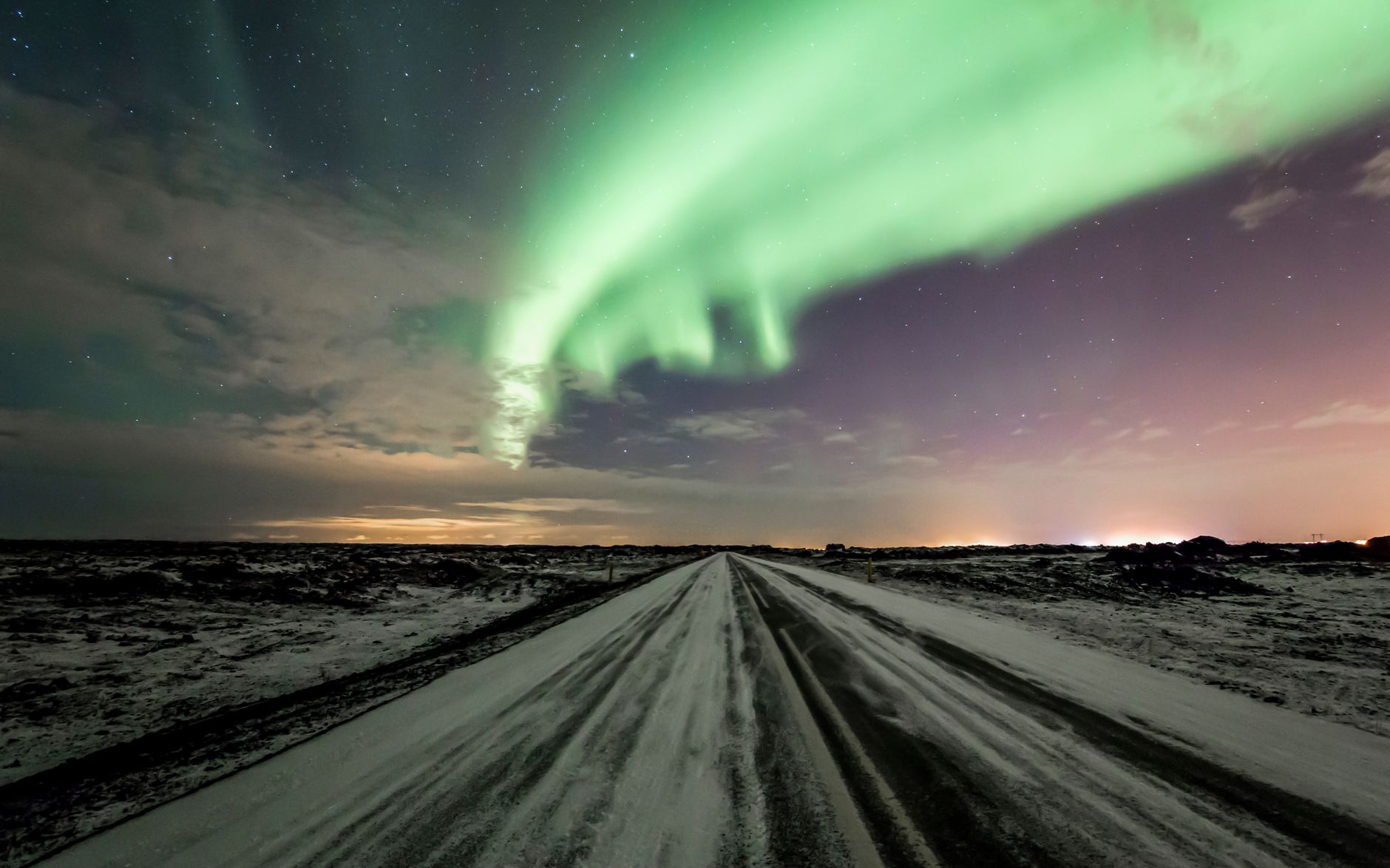
From September to March, days grow progressively shorter, and the long, dark nights create ideal conditions for spotting the northern lights, one of the main reasons travellers visit Iceland during this period. Because Hafnarfjörður sits a little away from the bright lights of Reykjavik, it can even offer better viewing conditions than the capital's centre, without having to travel far.
Spring and autumn: fewer crowds, mild temperatures
The transitional months, such as April, May, September and October, bring fewer tourists and generally lower accommodation prices, while still keeping some natural daylight and manageable temperatures for exploring the town and the Reykjanes peninsula on foot. It is a good option for those who would rather avoid both the relative heat of summer and the harshest cold of the Icelandic winter.
Where to stay depending on the season
In summer, during the Viking festival, it is worth booking central properties such as Hótel Hellisgerði https://travelguest.net/en/hotels/hotel-hellisgerdi-en or Hotel Grand Canal https://travelguest.net/en/hotels/hotel-grand-canal-en well in advance. In winter, for those wanting to maximise their chances of seeing the northern lights, staying somewhere a little further from the town's lights, such as Guesthouse Álfar https://travelguest.net/en/hotels/guesthouse-alfar-en, can be an advantage, while Vibrant Iceland Hostel https://travelguest.net/en/hotels/vibrant-iceland-hostel-en remains a good budget option at any time of year.
What to pack depending on the season
Whatever season you choose, Iceland always calls for layered clothing, since the weather can change several times within the same day. In summer, a windbreaker and waterproof footwear are enough for most days, while in winter it is essential to pack thermal clothing, gloves and a warm coat, especially for anyone planning to stay up late chasing the northern lights. Carrying a headlamp in winter also helps, since the short days mean only a few hours of natural daylight are available for exploring outdoors. Checking the forecast each morning is a good habit at any time of year, since Icelandic weather is famously changeable and can affect both driving conditions and outdoor plans.
Choose your season based on the kind of experience you are after, whether that is the midnight sun and festive atmosphere of summer, or the dark skies and northern lights of the Icelandic winter.