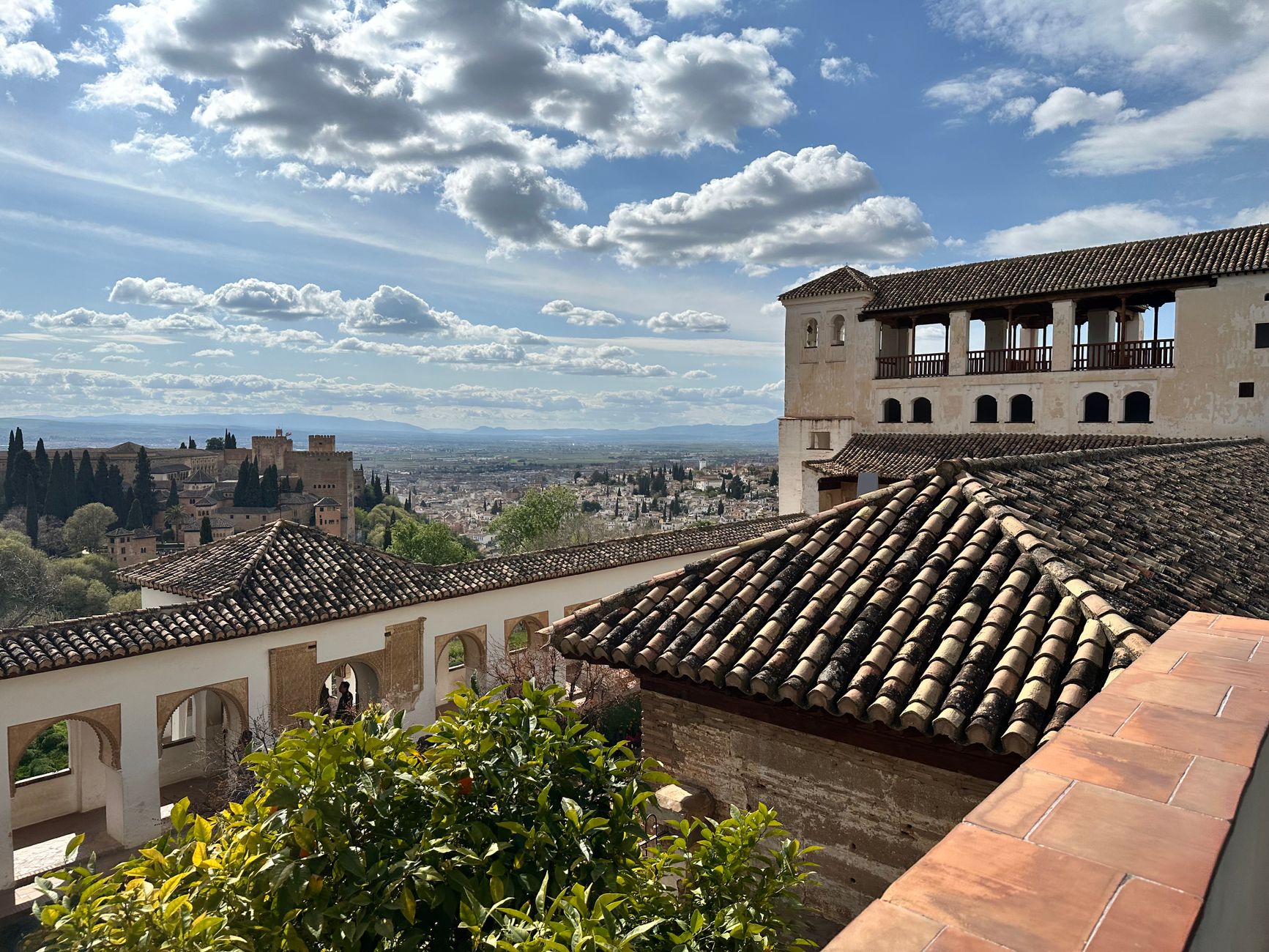
Granada, in Andalusia, is a city that blends Moorish heritage, Renaissance architecture and a lively university atmosphere, making it a popular destination for both cultural trips and more relaxed getaways. For first-time visitors, it is worth understanding the layout of the city before planning an itinerary.
How the city is laid out
Granada is divided into distinct areas with different personalities: a more modern, commercial center, historic neighborhoods with narrow, winding streets, and quieter residential areas. This diversity means that choosing where to stay has a real impact on the trip, particularly since some historic areas have limited vehicle access and steeper streets.

Where to stay
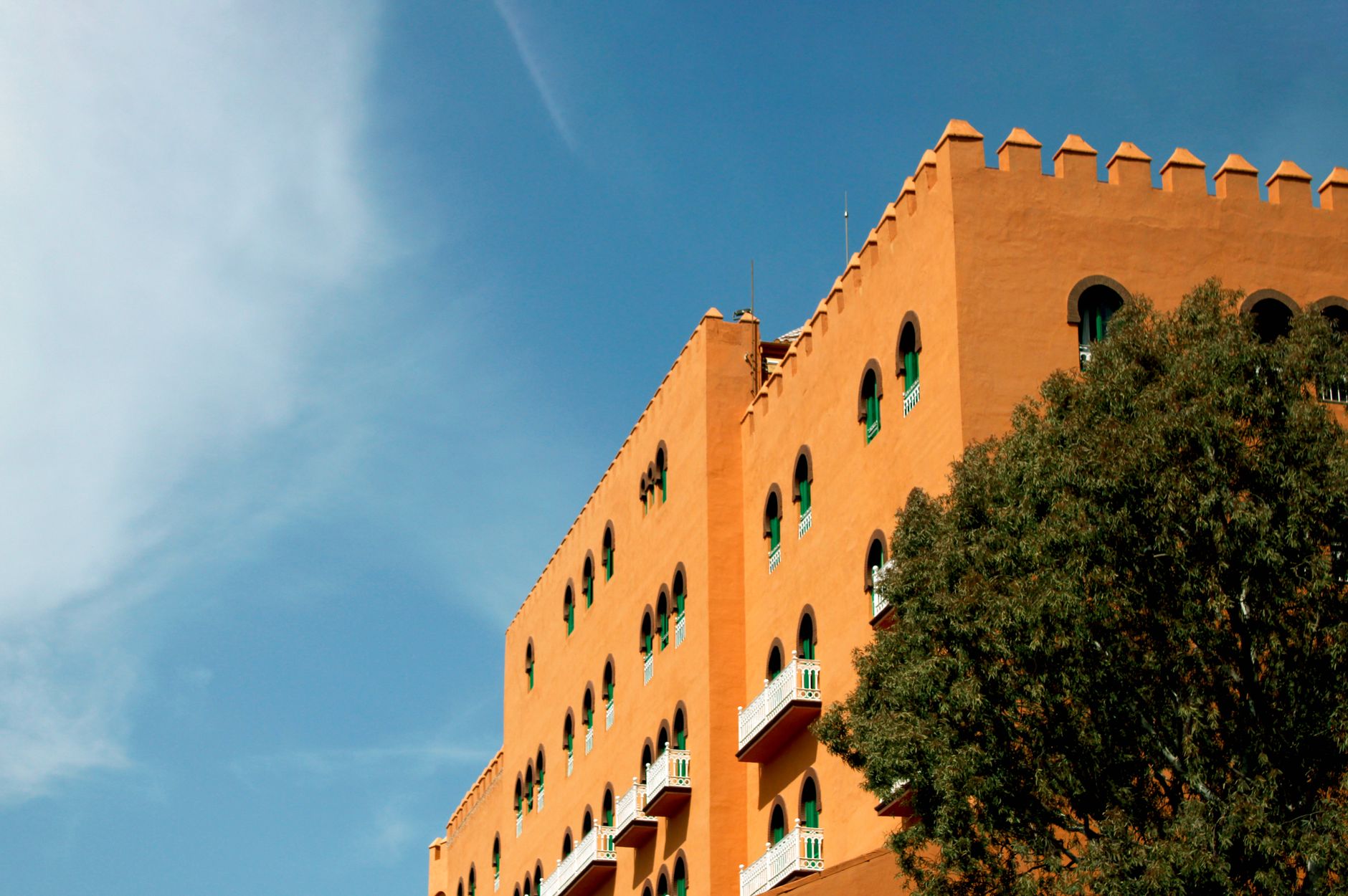
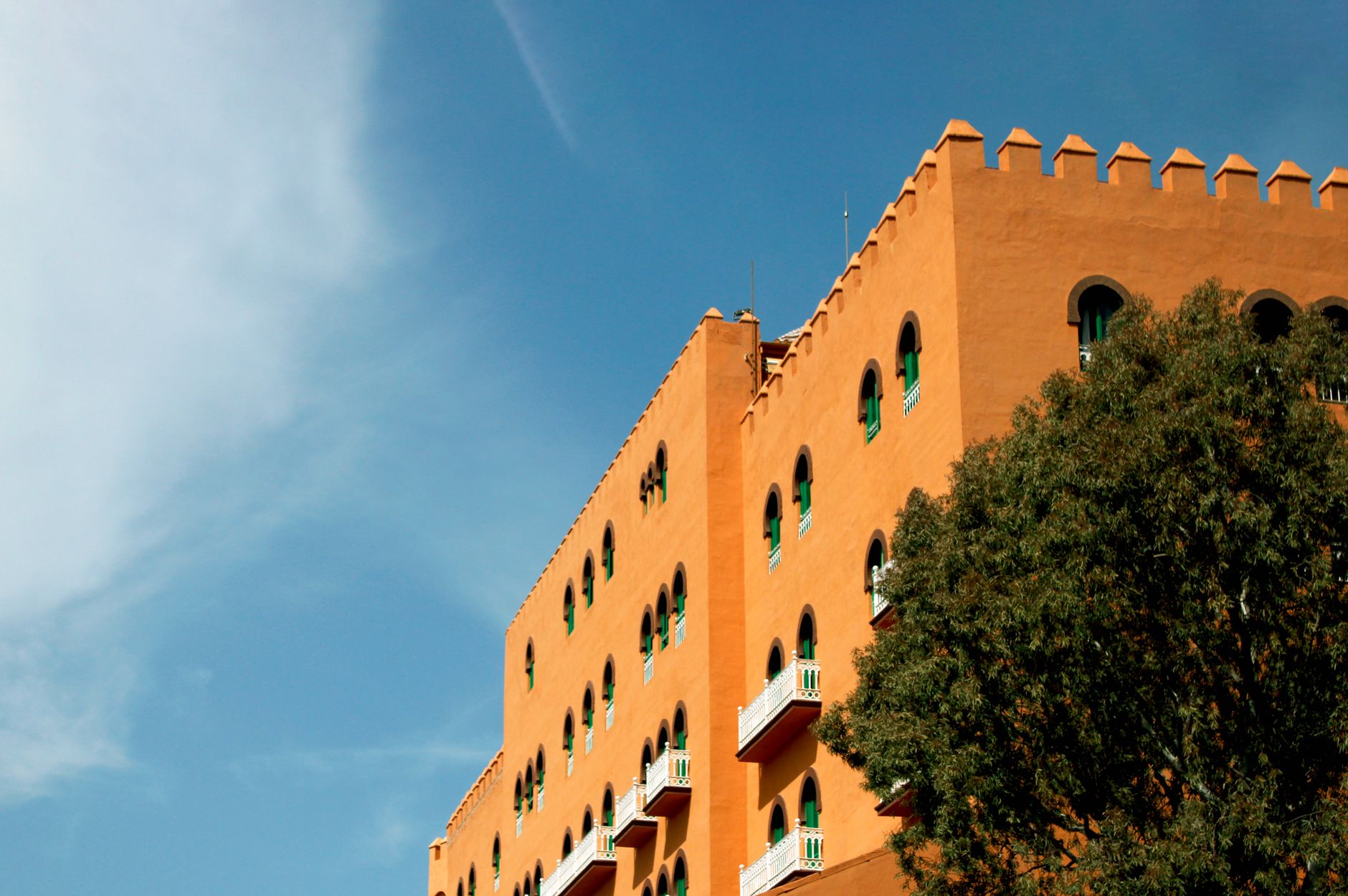
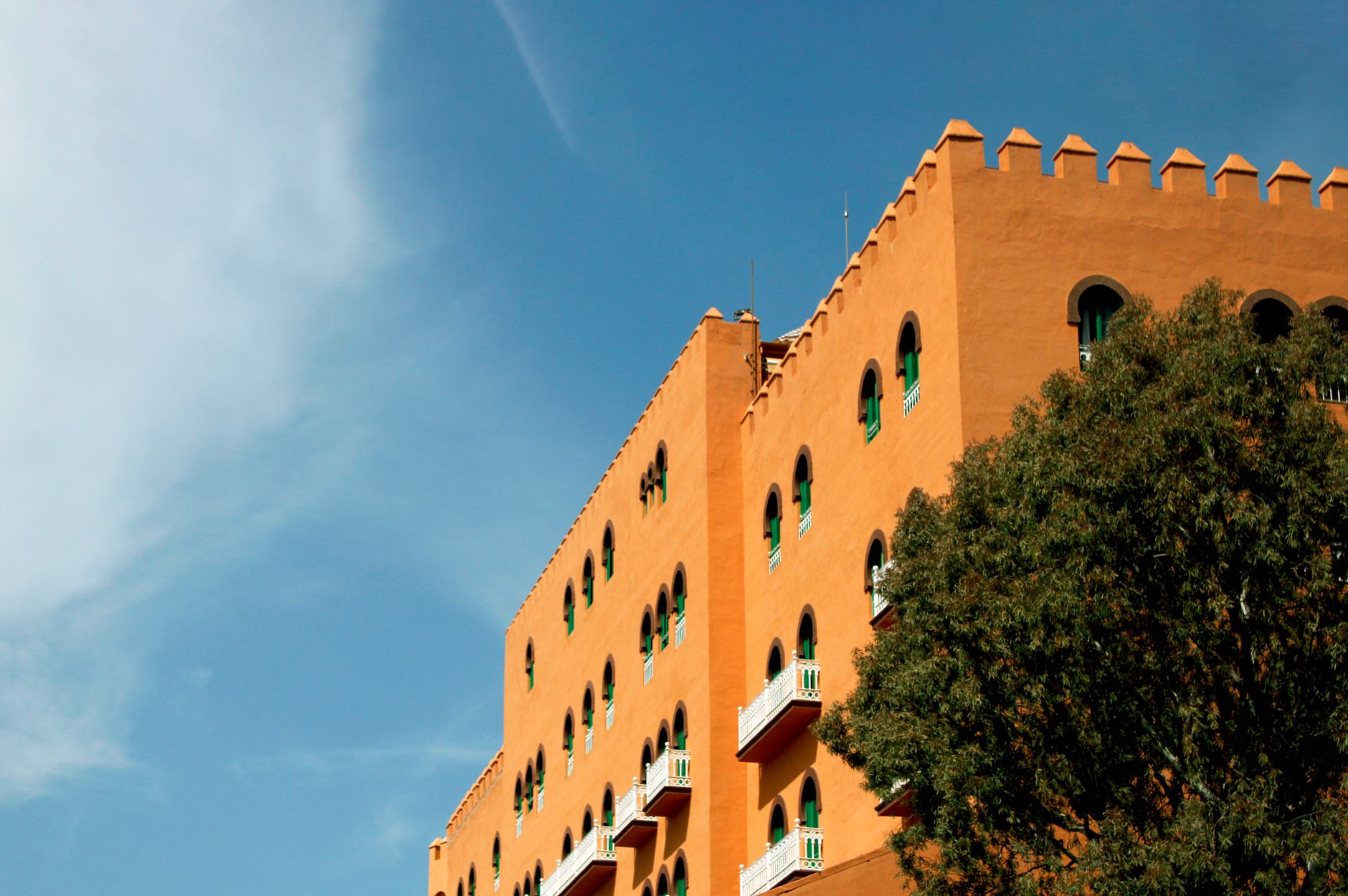
For travelers who prefer a central, practical location, Hotel Hesperia Granada Centro is situated in an area that makes it easy to walk to the city's main sights, making it a solid choice for a first visit. Marquis Urban, as the name suggests, fits a more urban profile, suited to travelers who value being close to the shopping and buzz of the center.
There are also simpler, locally run alternatives, such as Hotel en Granada, which can be a good option for those looking for straightforward accommodation without unnecessary formality, while still keeping a convenient location.
Getting around and organizing your day
Much of Granada is easy to explore on foot, although some climbs, especially toward the higher neighborhoods, can be demanding. It is worth wearing comfortable shoes and allowing extra time for routes that look short on a map but take longer in practice due to uneven paving and sloped streets.

Practical tips for a first visit
It is worth booking in advance, especially for accommodation in central areas during peak season, when demand for Granada increases significantly. Packing layered clothing is also advisable, since the city can experience considerable temperature swings between day and night, largely due to its proximity to the mountains.
Getting there and getting around the city
Granada is served by a moderately sized airport, with connections to a handful of European cities, although many travelers choose to arrive via Malaga or Seville, taking advantage of more frequent road or rail connections from these larger hubs. Within the city, the historic center is best explored on foot, but there are also urban buses connecting more distant areas to the main points of interest, a useful option for those who prefer to avoid the steeper climbs in some neighborhoods. For those arriving by long-distance train or bus, the stations are a reasonable distance from the center, and it is possible to take public transport or a taxi to reach the accommodation more comfortably, especially after a long journey. It is worth confirming transport schedules in advance, since some services run less frequently outside peak demand hours. Planning this first leg of the trip ahead of time helps arrive at the accommodation with less stress and more time available to start exploring the city.
Before you go, compare the accommodation options in Granada and choose the base that best matches the pace you want to set for your trip.