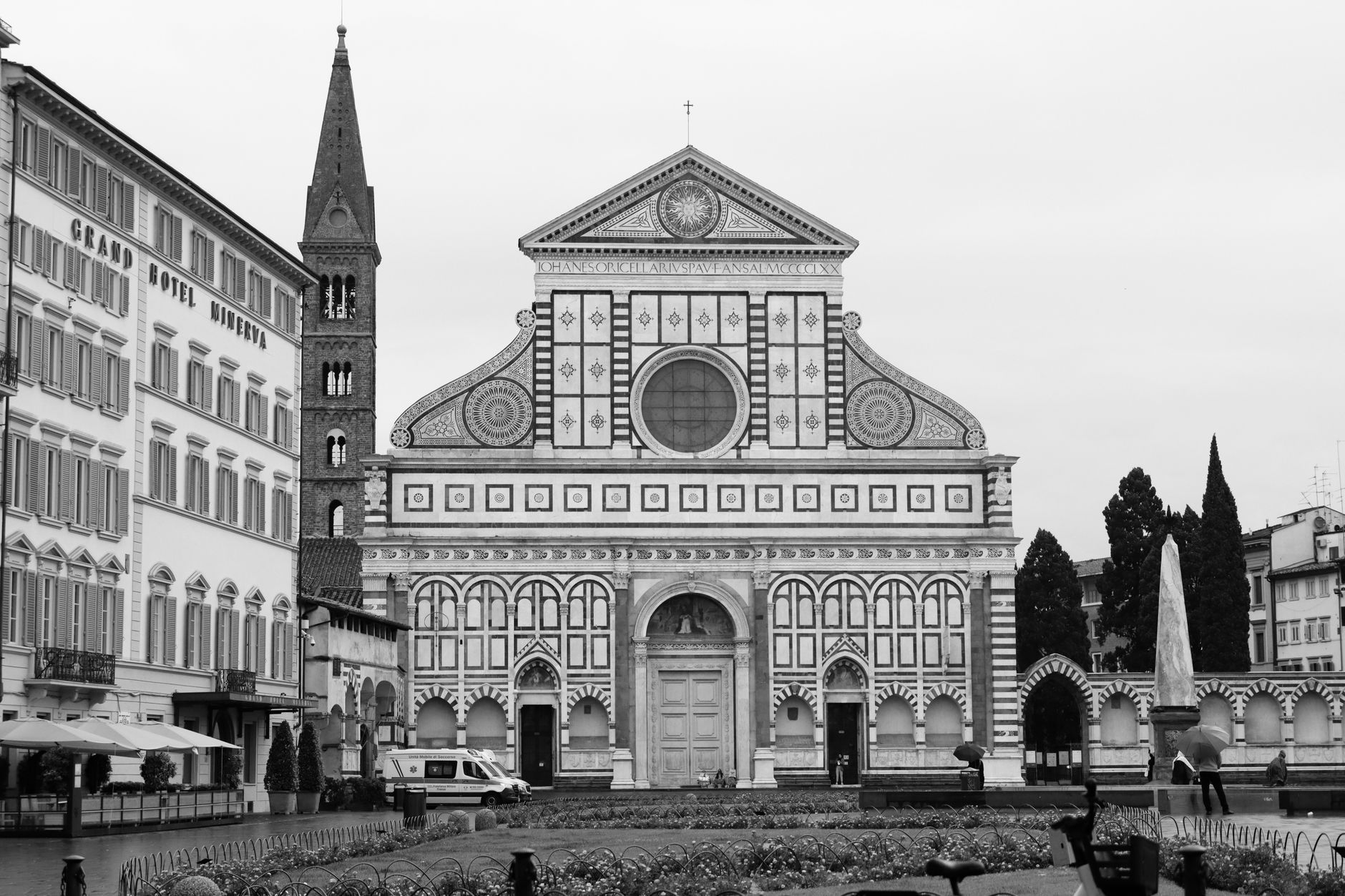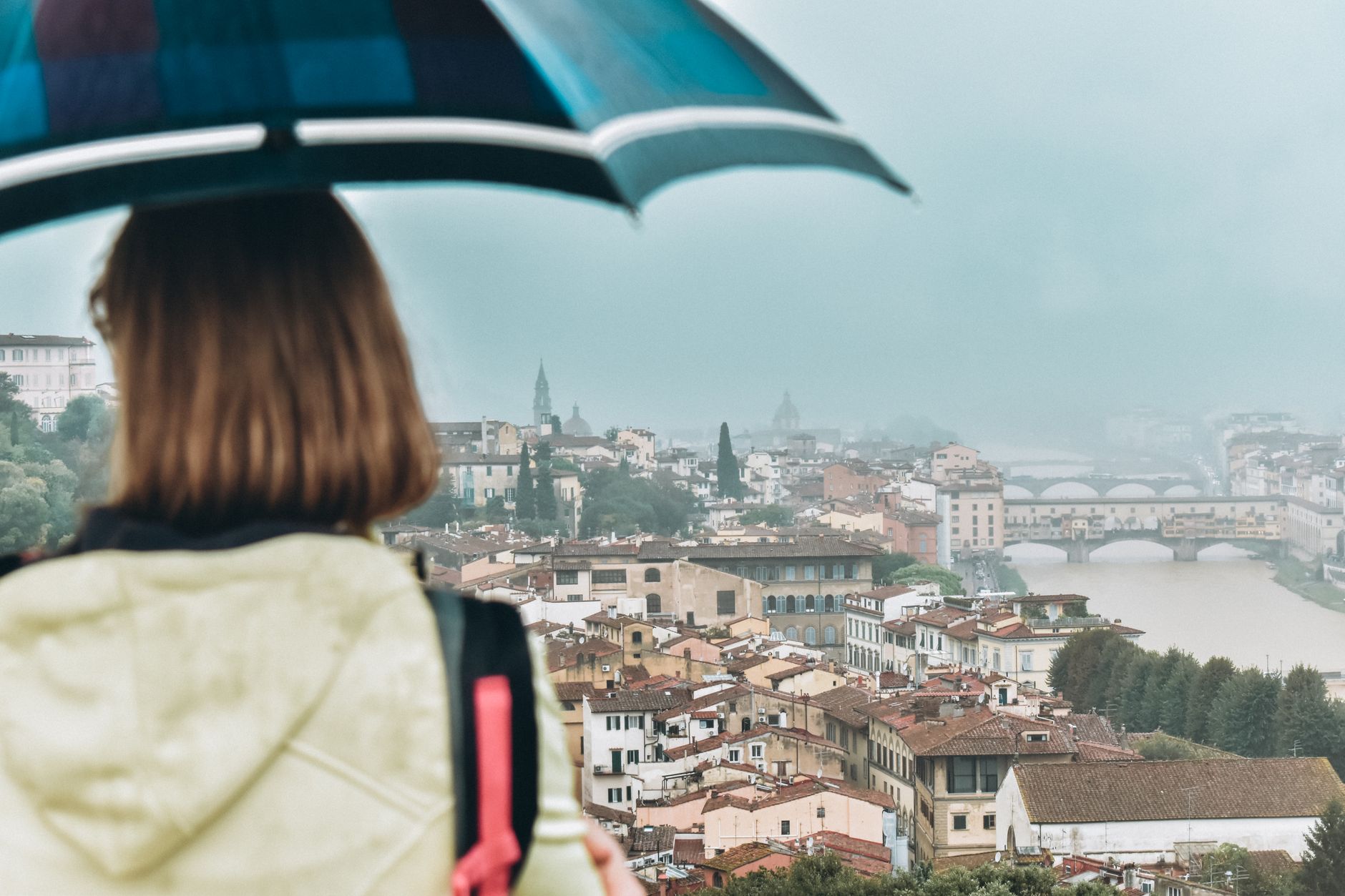
Florence has a climate with well-defined seasons, which means the best time to visit depends largely on what you are looking for: warm days and busier streets, or milder temperatures and a somewhat calmer city.
Spring and autumn: the most balanced seasons
Spring and autumn are generally considered the best times to visit Florence, with pleasant temperatures for walking around all day and tourist numbers that are usually more moderate than in summer. It is also a good time to visit museums and points of interest with shorter lines than during peak season.
Summer: hotter weather, more visitors
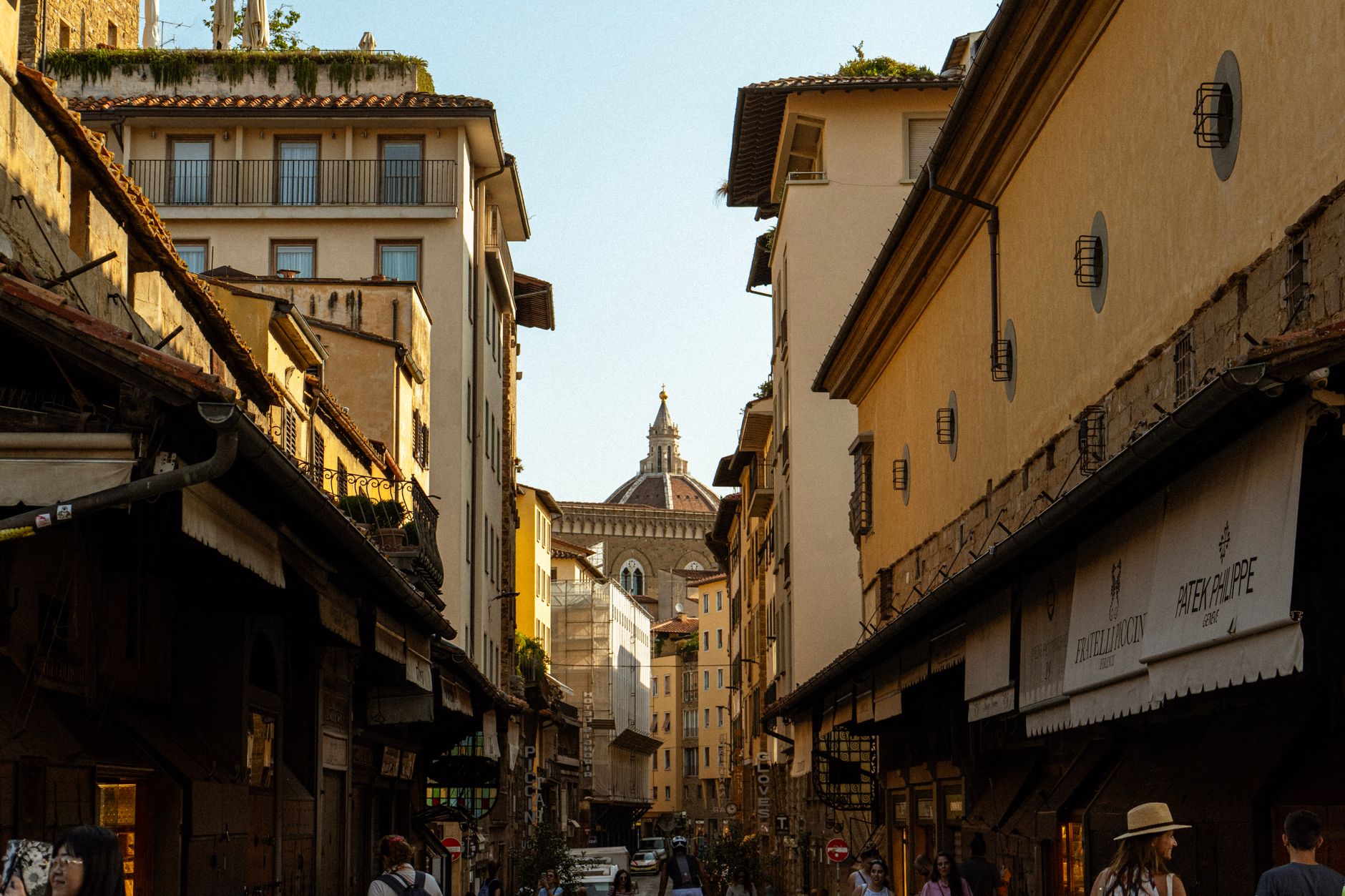
Summer is the busiest season in Florence, with temperatures that can be quite high, especially in July and August, and with humidity that can make midday sightseeing genuinely tiring for anyone not used to the heat. The main points of interest tend to have longer lines, and accommodation prices tend to rise sharply. Anyone traveling during this period should book well in advance, especially if planning to stay in central areas such as those offered by Florence Dome Hotel.
Winter: fewer crowds, lower prices
Winter brings colder temperatures, but also a noticeably calmer city, with fewer tourists and more affordable accommodation prices. For those who do not mind shorter days and some chance of rain, this can be a good time to visit museums more peacefully and explore the city without the pressure of summer crowds. Accommodation such as Sweet Home Desiree tends to have more availability during this period.
How to choose the right time
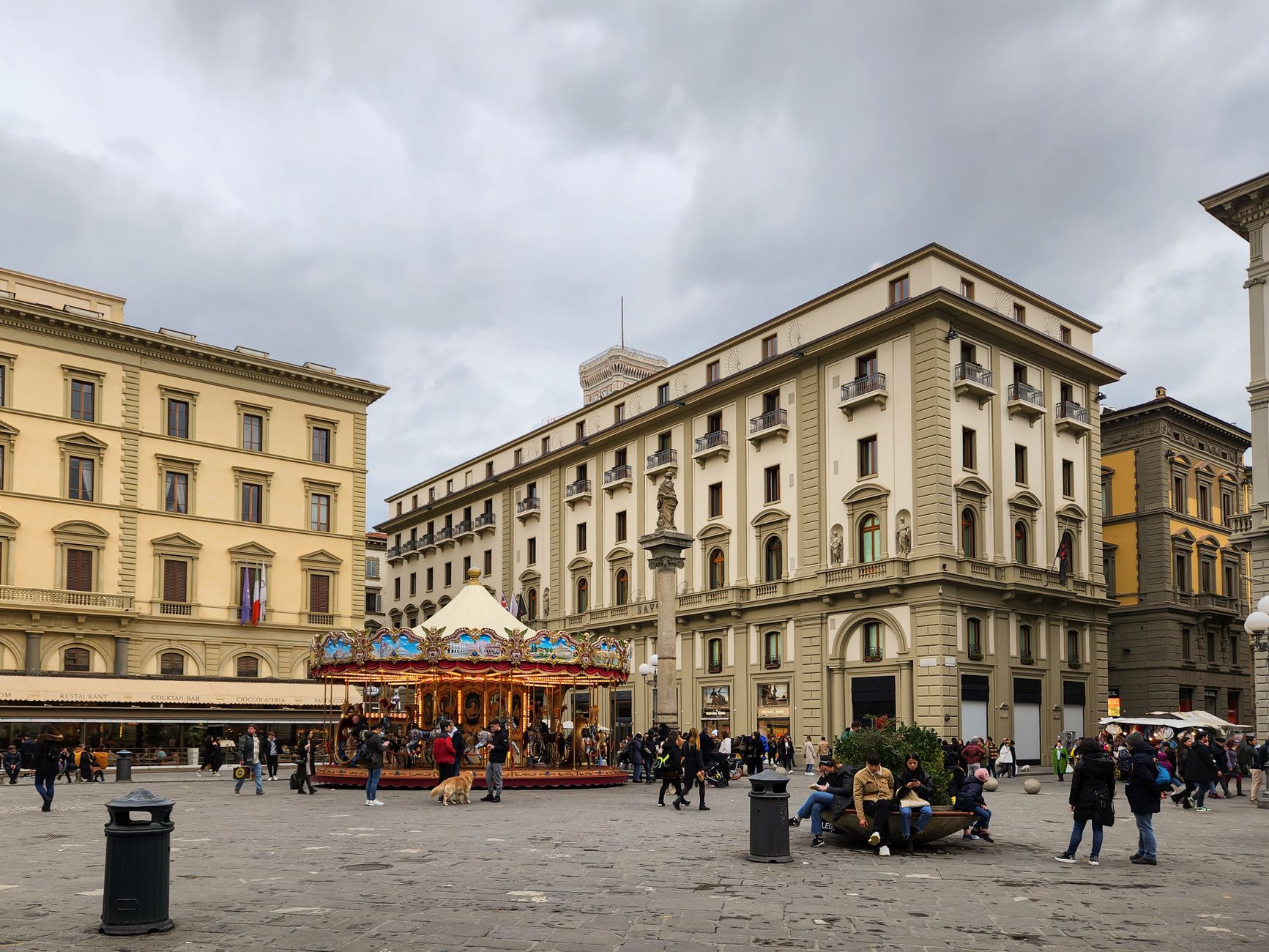
The final decision depends on the balance between budget, tolerance for heat or cold, and a preference for a busier or quieter city. Families traveling with children, for example, may benefit from the flexible space offered by accommodation such as Affitta camere Mimi family, regardless of the season chosen.
What to pack depending on the season
Luggage should be adjusted according to the season chosen for visiting Florence. In summer, light clothing, sunscreen and a hat are practically essential, since the heat can be intense during the day, especially in narrower streets with little shade. In winter, it is worth packing warmer layers, a waterproof coat and appropriate footwear, since temperatures can drop considerably at night and rain occurs fairly regularly. In spring and autumn, a combination of layered clothing tends to be the most practical option, since temperatures can vary quite a bit between morning and afternoon. Regardless of the season chosen, it is worth checking the weather forecast close to the travel date, since the region's climate can be somewhat unpredictable from one year to the next. For those visiting museums and churches, it is also worth keeping in mind that many of these sites require clothing that covers shoulders and knees, a rule that applies year-round rather than only in certain seasons, and packing a light scarf or shawl can be a simple way to comply without extra planning.
Once you have decided when to travel, compare the accommodation options in Florence and book with the right amount of lead time for your chosen season.