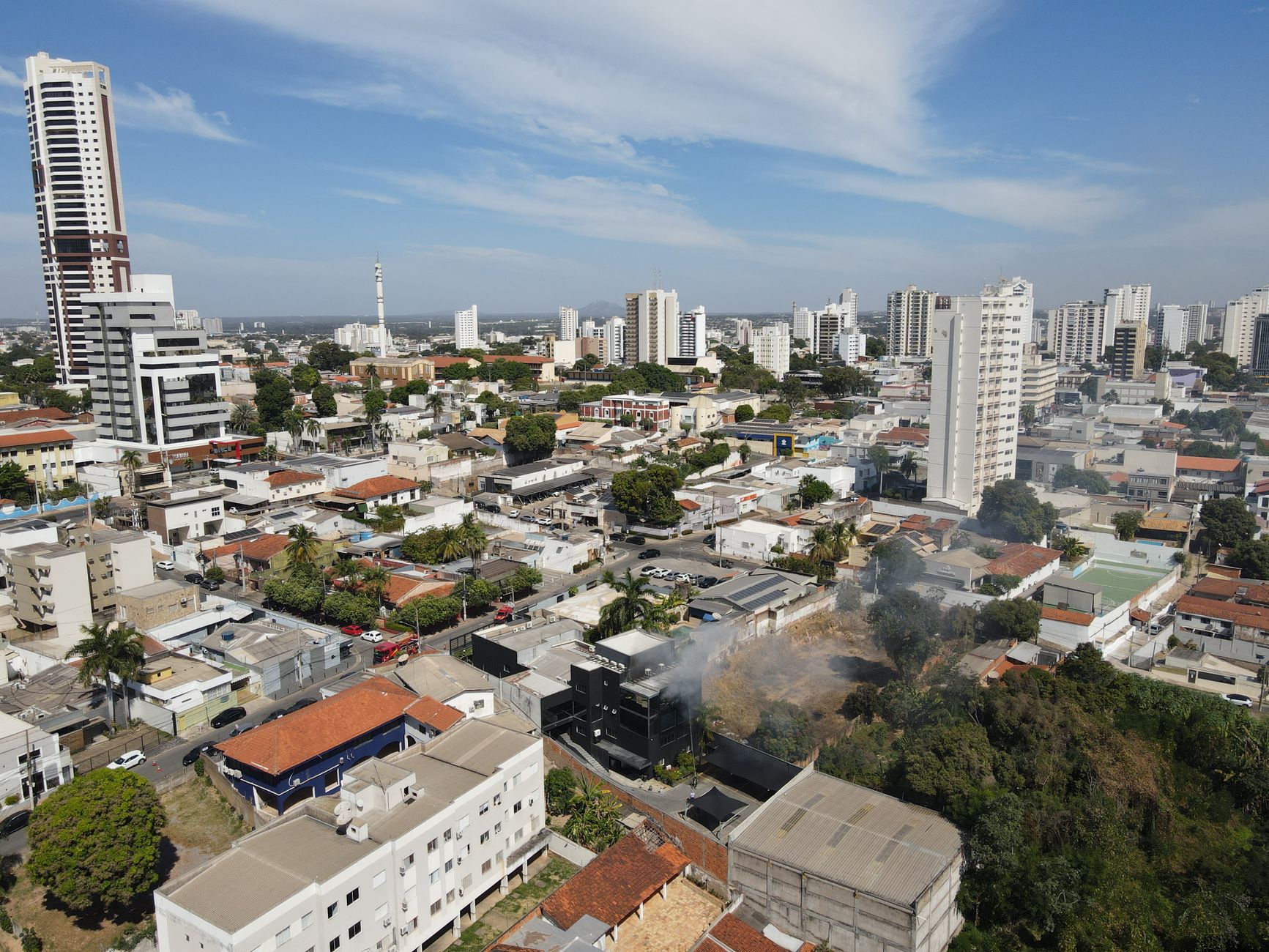
One of the largest cities in Mato Grosso do Sul
Dourados is one of the most important cities in the state of Mato Grosso do Sul, in Brazil's Center-West region, known above all for its economic weight tied to agriculture and agribusiness. Although it does not feature among Brazil's most widely promoted tourist destinations, the city has an active urban life, solid hotel infrastructure, and is also an important university hub for the region, which translates into an interesting range of restaurants, cafes and shops. It is also a city shaped by its proximity to local indigenous communities, a relevant cultural aspect for anyone wanting to better understand the diversity of the region.
Getting there and getting around
Access to Dourados is mainly by road, via highways connecting the city to Campo Grande, the state capital, and to other cities in the southern part of Mato Grosso do Sul. The city also has a regional airport, making it easier to arrive by plane from other Brazilian capitals. Within the city, public transport, taxis and ride-hailing apps are the most practical options, especially since the city's size makes walking between more distant areas inconvenient.
Where to stay in Dourados
Hotel Central stands out for its practical location close to downtown, while Hotel Querência tends to be a good choice for those seeking a quieter setting. For more budget-friendly or short stays, Hotel Laguna is a practical alternative, well located in relation to the city's main spots.
What to do in Dourados
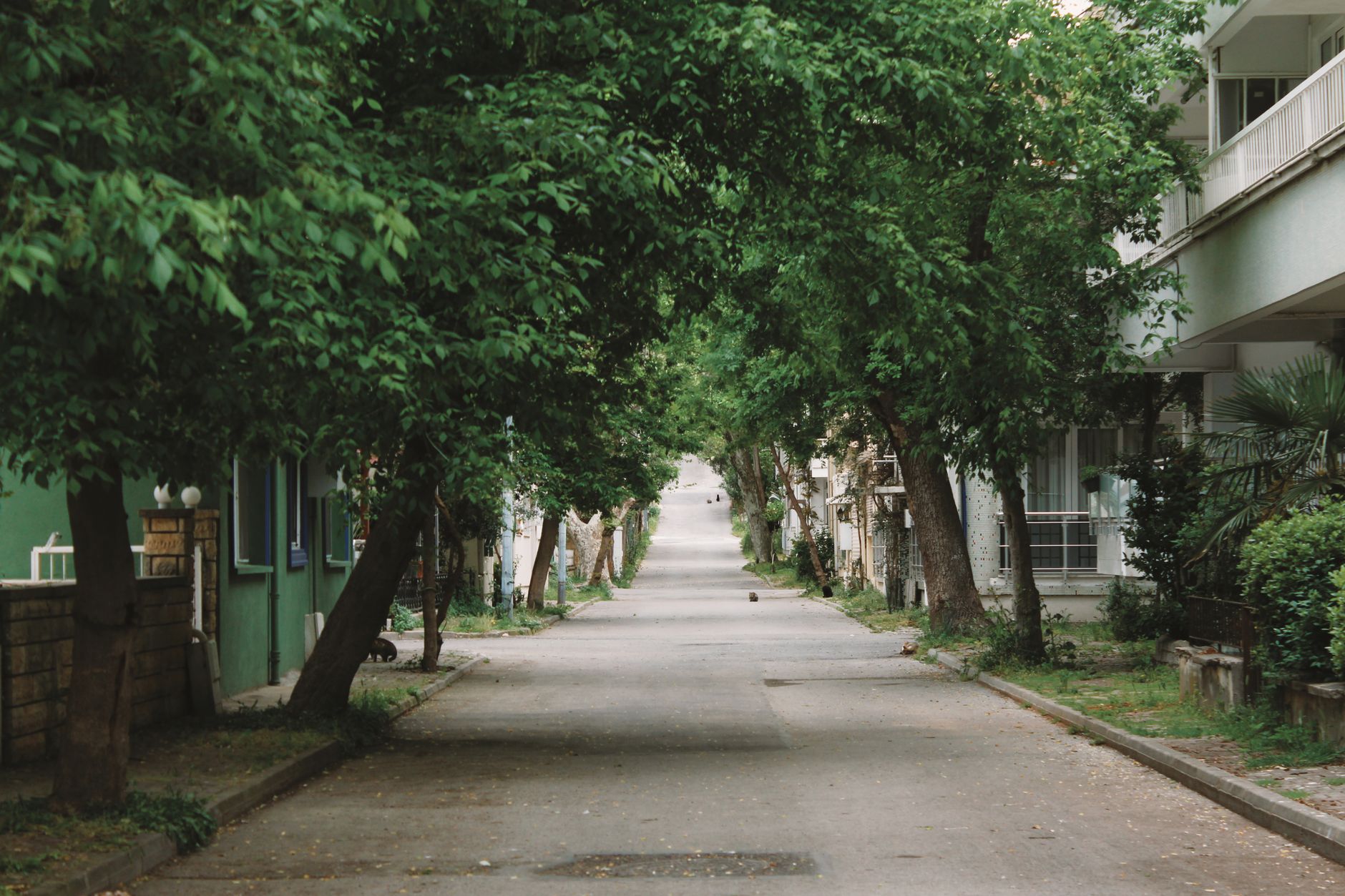
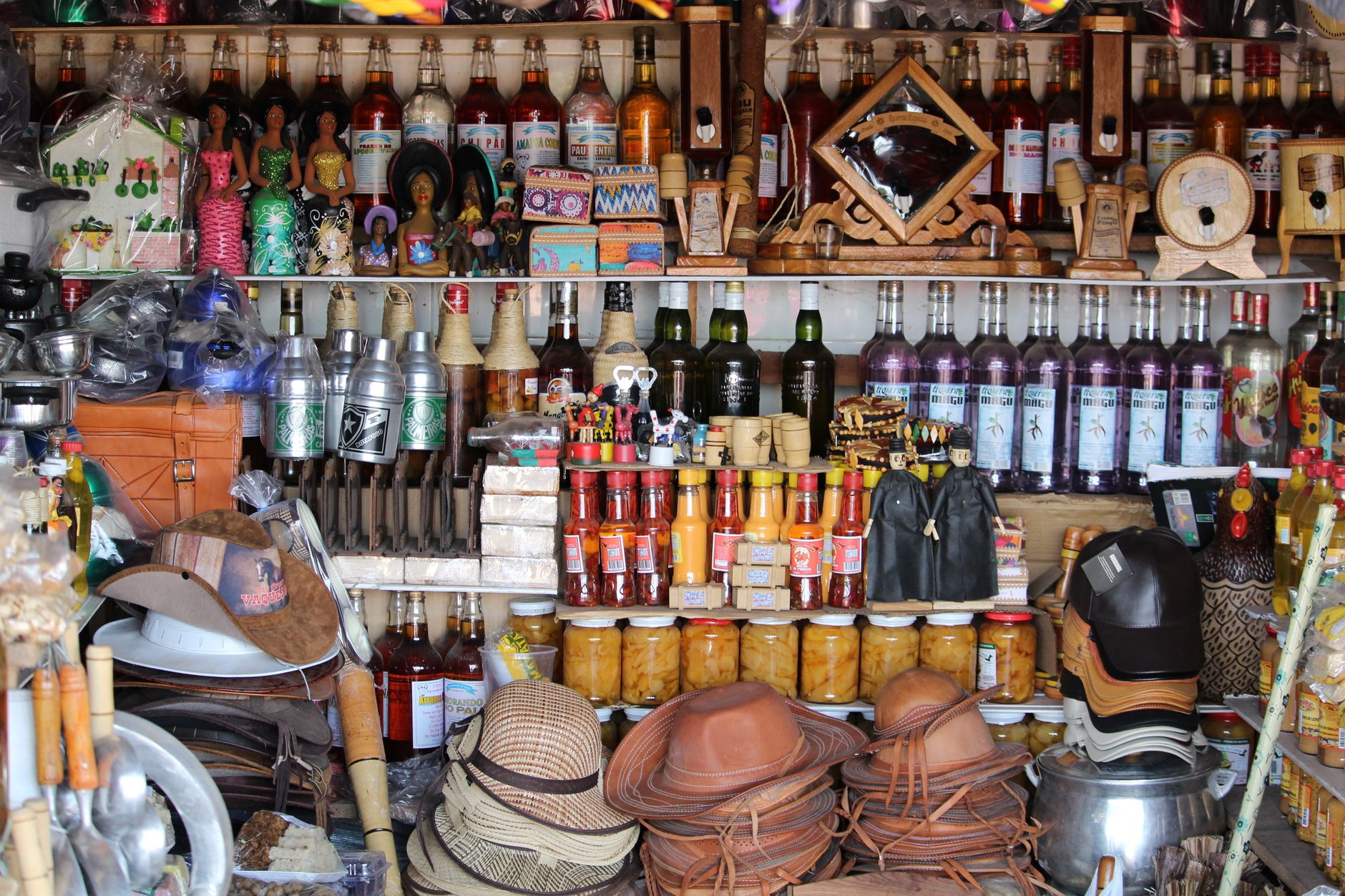
The city offers good green spaces for walks and outdoor leisure time, alongside a food scene that reflects the culinary traditions of Brazil's Center-West region well, with a strong emphasis on meat-based dishes and products tied to local agriculture. It is also worth exploring the local shops and markets, a good way to appreciate the importance of agribusiness to the region's economy.
When to plan your trip
The region has a tropical climate, with hot, rainy summers and drier, milder winters. For those who prefer to avoid the heaviest rains, the winter period tends to be more predictable for exploring the city outdoors.
If you are planning your first trip to Dourados, book accommodation in advance and take the opportunity to explore both the city's urban life and its surrounding rural landscape, deeply tied to the region's identity.
It is also worth setting aside some time to get to know Dourados's cultural diversity better, shaped by the presence of indigenous communities in the region and by a significant student population that brings energy to the city's cultural and social life. This combination of rural tradition, agribusiness and academic life makes Dourados a different kind of destination from most of Brazil's better-known tourist cities, and for that very reason an interesting choice for travelers looking to experience a more authentic, less explored side of Brazil's Center-West. Taking the time to walk through different parts of the city, rather than sticking only to the most central streets, is often the best way to appreciate this mix of influences and get a genuine feel for everyday life in Dourados.


