The Colonial Jewel of the Ecuadorian Andes
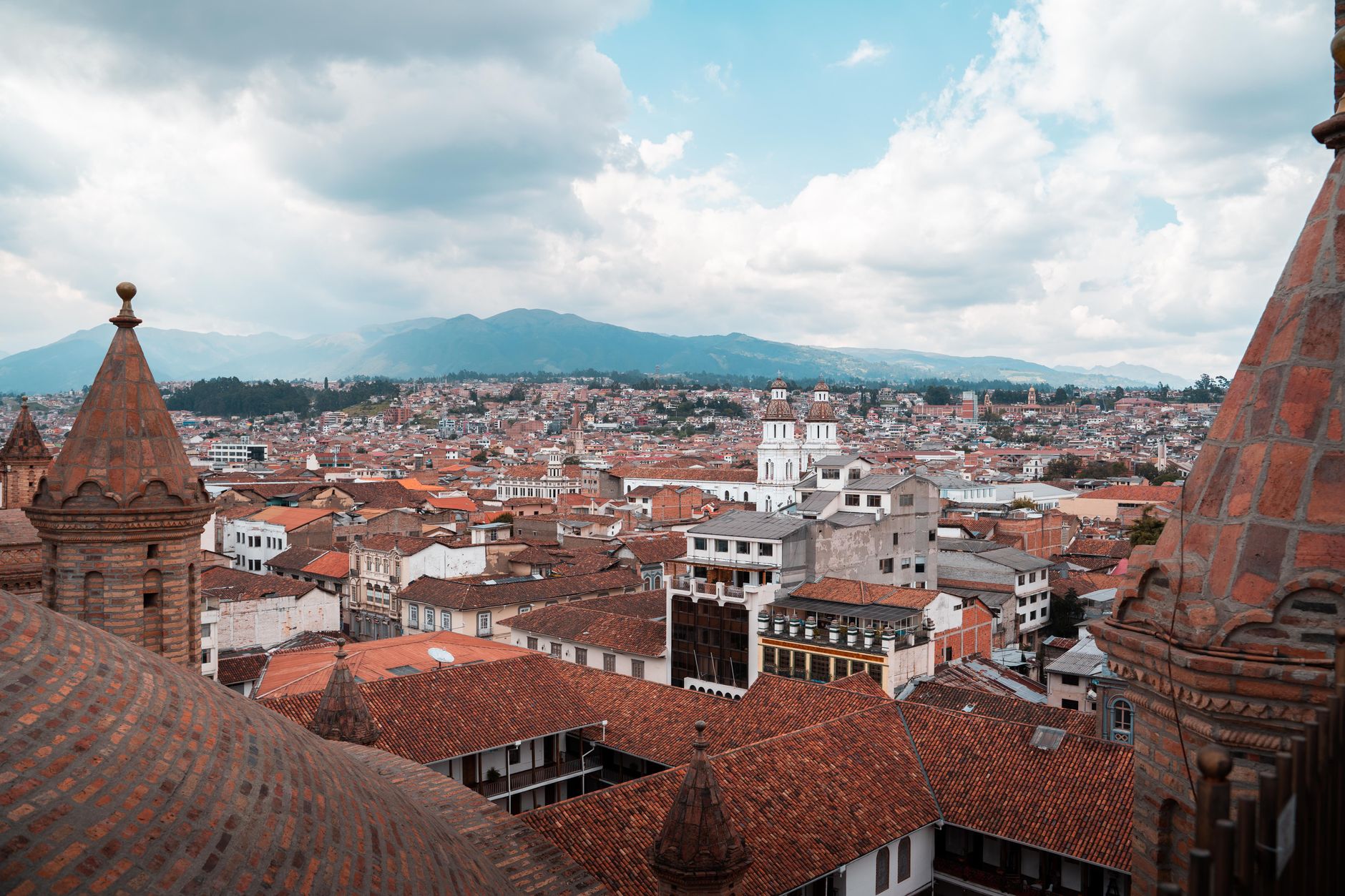
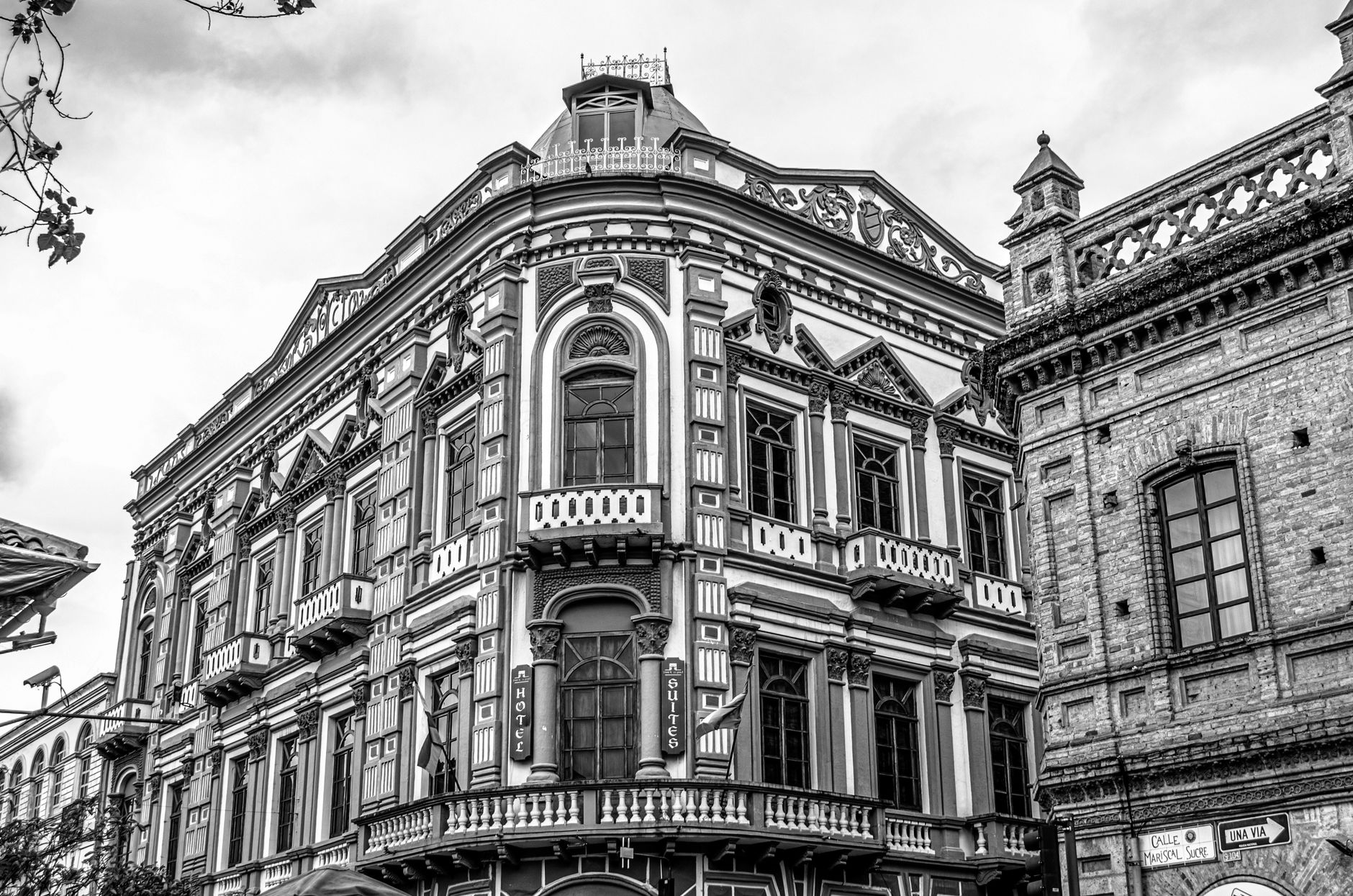
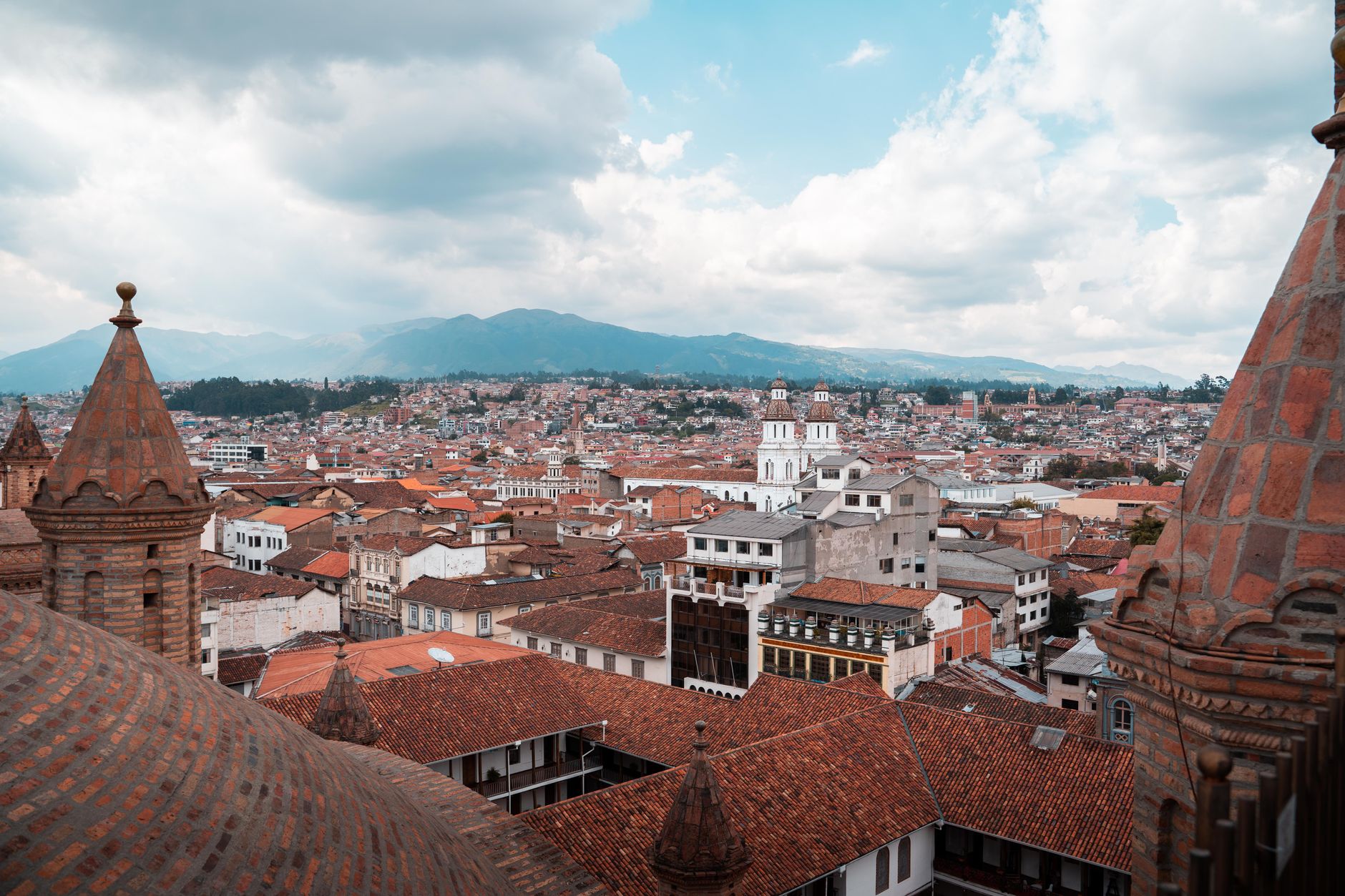
Cuenca, in southern Ecuador, is often cited as one of the best-preserved colonial cities in South America. Its historic center was named a UNESCO World Heritage Site in 1999, thanks to its sixteenth-century urban layout and architectural richness, which remains largely intact today. Sitting more than two thousand five hundred meters above sea level in the Andes, Cuenca combines historic heritage, a mild climate year-round and a vibrant cultural life, making it an increasingly popular destination for travelers who prefer authentic experiences over crowded routes. Beyond its architecture, Cuenca is also known for a growing community of international retirees, drawn by the climate, safety and relaxed pace of life.
The city is crossed by four rivers, the Tomebamba being the most iconic, and it's also known as the true birthplace of the Panama hat, in fact a genuinely Ecuadorian product. You can read more about the city on Wikipedia.
Getting There and Getting Around
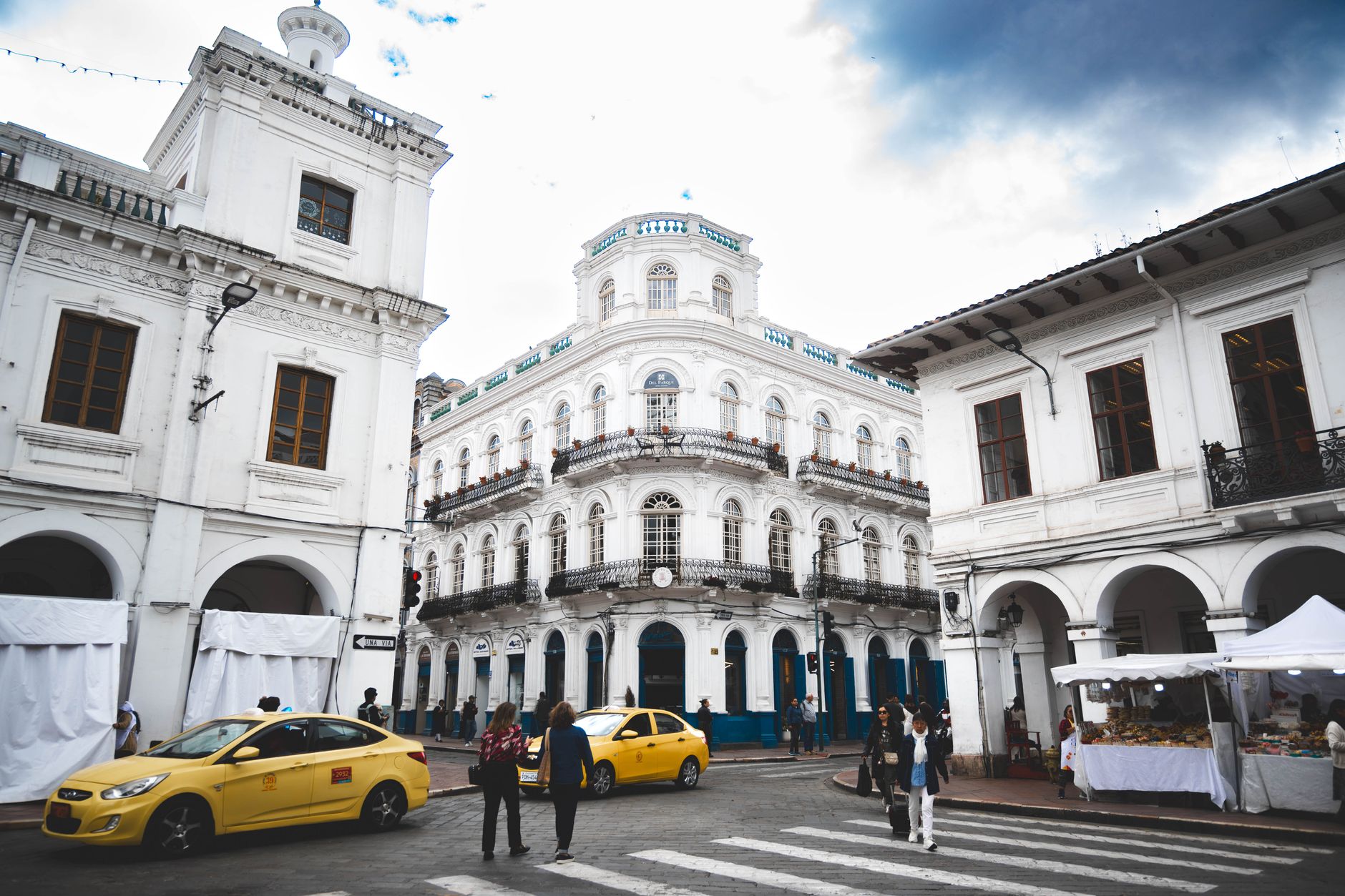
Cuenca has its own airport, with regular flights to Quito and Guayaquil, making it easy for international visitors to arrive. The historic center is compact and a real pleasure to explore on foot, with cobblestone streets and colonial buildings that invite unhurried walks. For longer trips within the city, urban buses and a tram system are available, along with affordably priced taxis.
Where to Stay
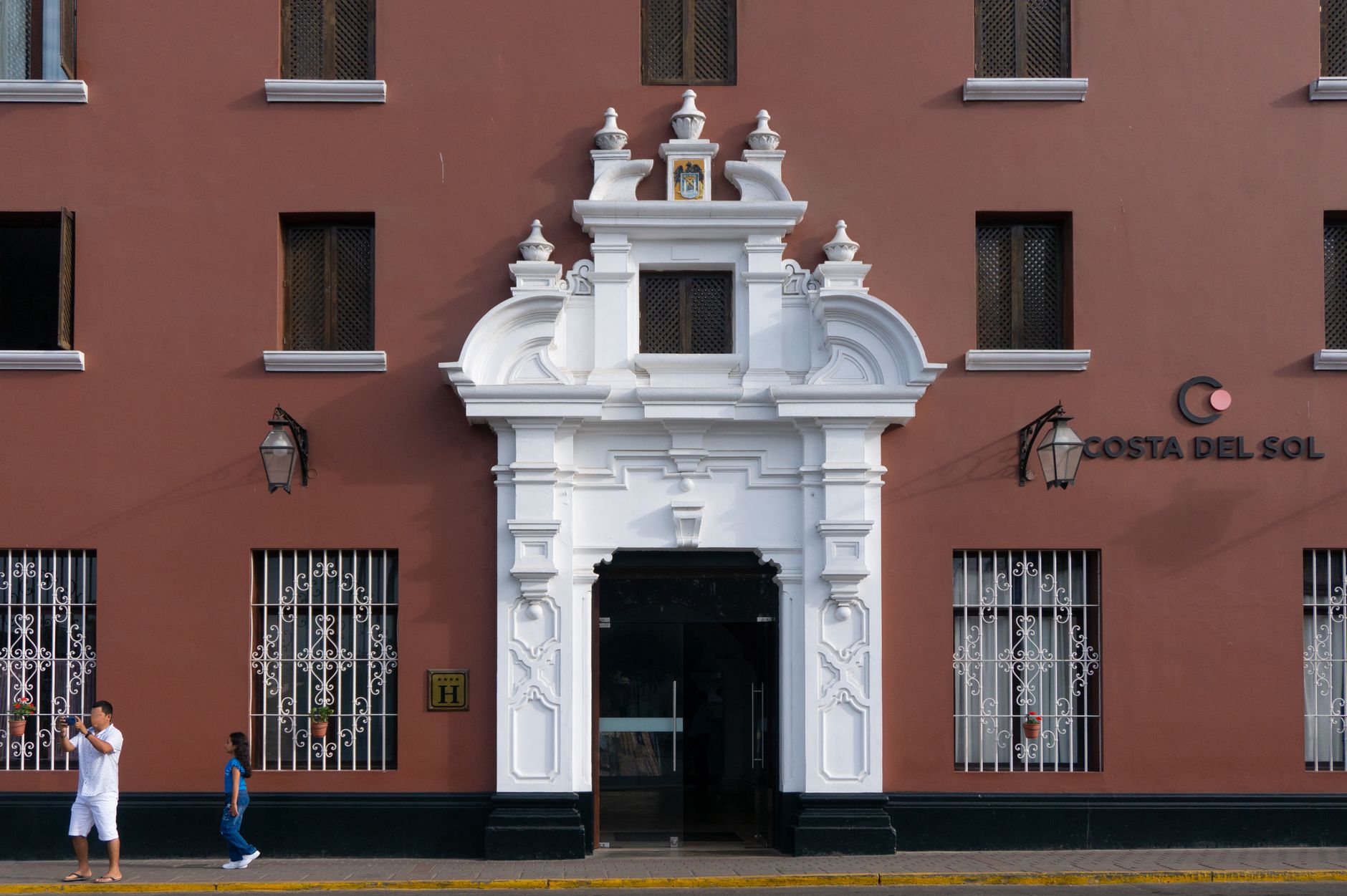
Santa Lucia House - Forum is a central choice, close to the city's cultural life, while Hotel Carvallo offers a more elegant experience right in the historic center. For those seeking comfort with a local touch, Hotel Inca Real is another option worth considering for your stay. Cuenca's accommodation options are rich and varied, with many set inside restored historic buildings.
What Not to Miss
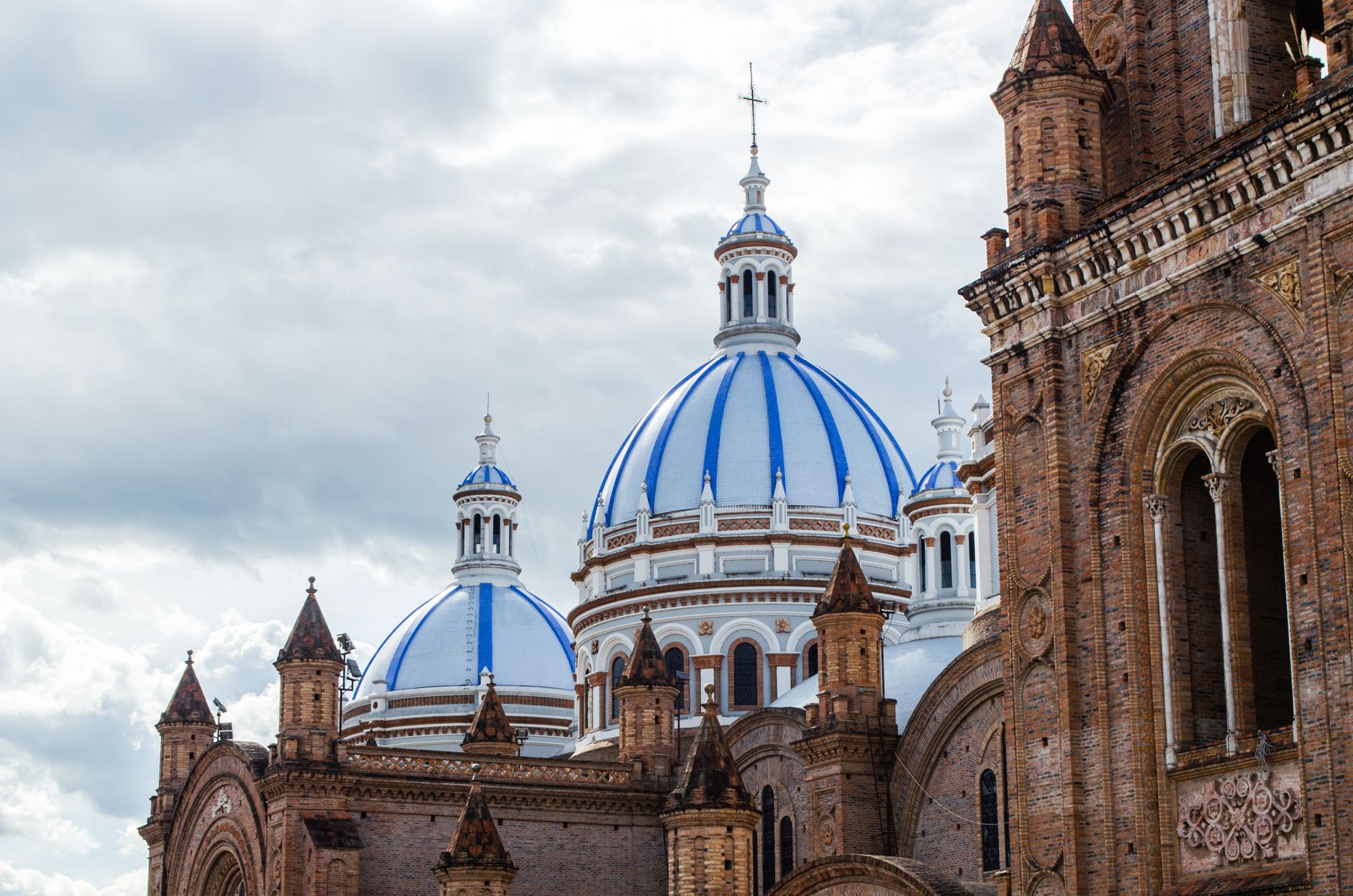
The Cathedral of the Immaculate Conception, with its famous blue domes, is Cuenca's most recognizable landmark and a natural starting point for exploring the historic center. It's also worth visiting the Pumapungo archaeological complex, which brings together Inca remains and an ethnographic museum, and walking along the Tomebamba River, especially in the late afternoon. Local markets, where you can watch the Panama hat weaving process firsthand, round out a rich cultural visit. For visitors who enjoy longer walks, the four rivers running through Cuenca offer pleasant pedestrian routes connecting different parts of the city to parks and natural viewpoints.
Practical Tips
Cuenca's climate is mild year-round thanks to its altitude, but temperatures can vary considerably between day and night, so layered clothing is recommended. The official currency is the US dollar, which makes budgeting much simpler for many travelers. Spanish is the official language, but it's increasingly common to find residents and shopkeepers who speak English, thanks to the city's sizable expat community. Cuenca is also considered one of the safest cities in Ecuador, adding to its appeal as a great first stop in the country.
Plan your trip ahead of time, book accommodation in a central area, and let yourself be charmed by one of South America's most authentic colonial cities.