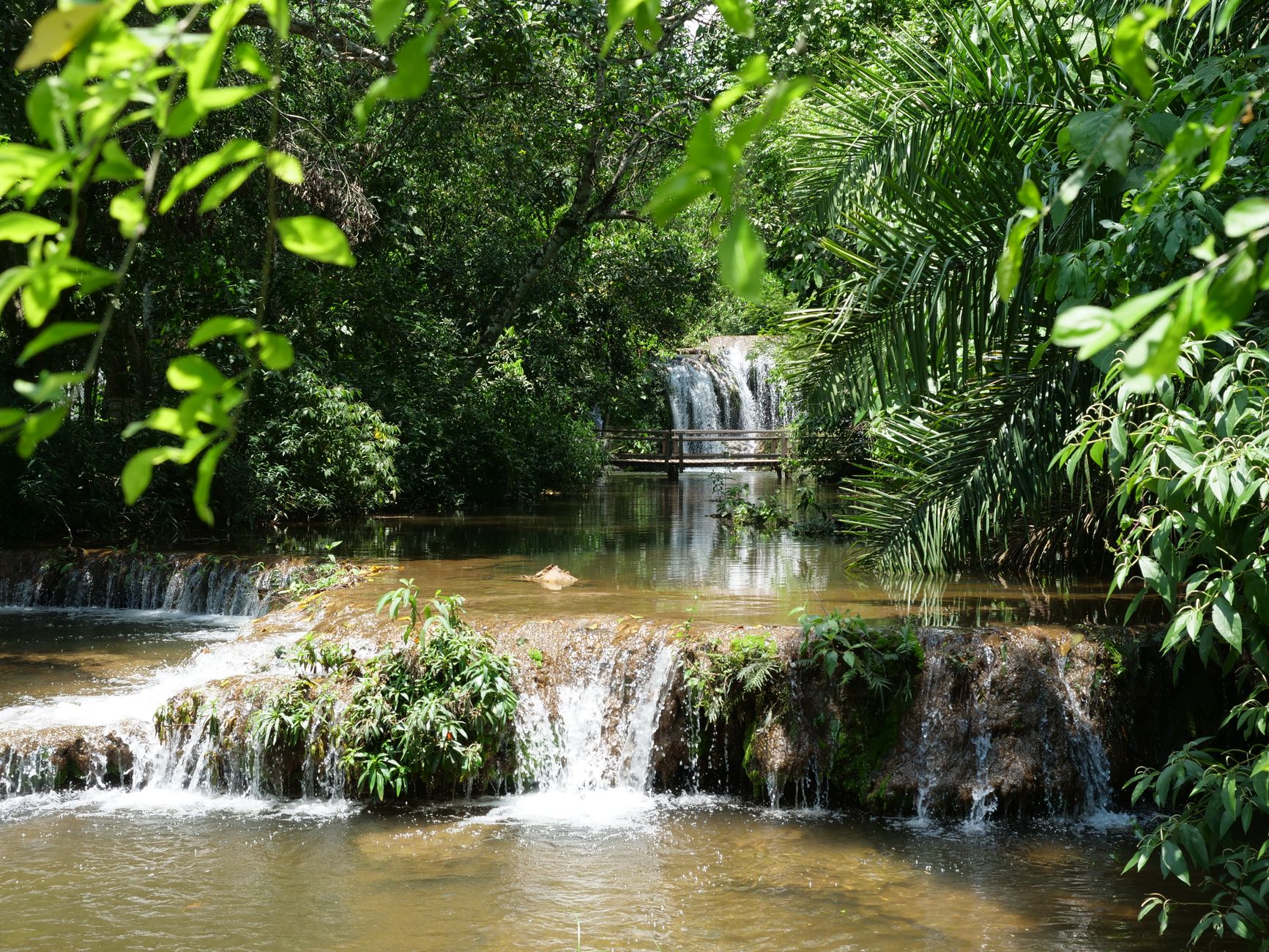
Colíder is a municipality in northern Mato Grosso, located in the region known as Portal da Amazônia, along the BR-163 highway. It is a mid-sized town with an economy built mainly around agribusiness and cattle ranching, and it also serves as a stopover point for travellers moving between south-central Brazil and the states of the Legal Amazon. For anyone who has never visited the region, it helps to know what to expect before planning the trip.
Location and getting there
Colíder sits a few hours from Cuiabá, the state capital, and is reached mainly by road. The town grew up along the BR-163, one of Brazil's main agricultural export highways, so it is used to receiving travellers passing through, alongside workers connected to agribusiness. The Teles Pires River runs through the region and is an important natural reference point for visitors, both for the scenery and for fishing-related activities.
Where to stay
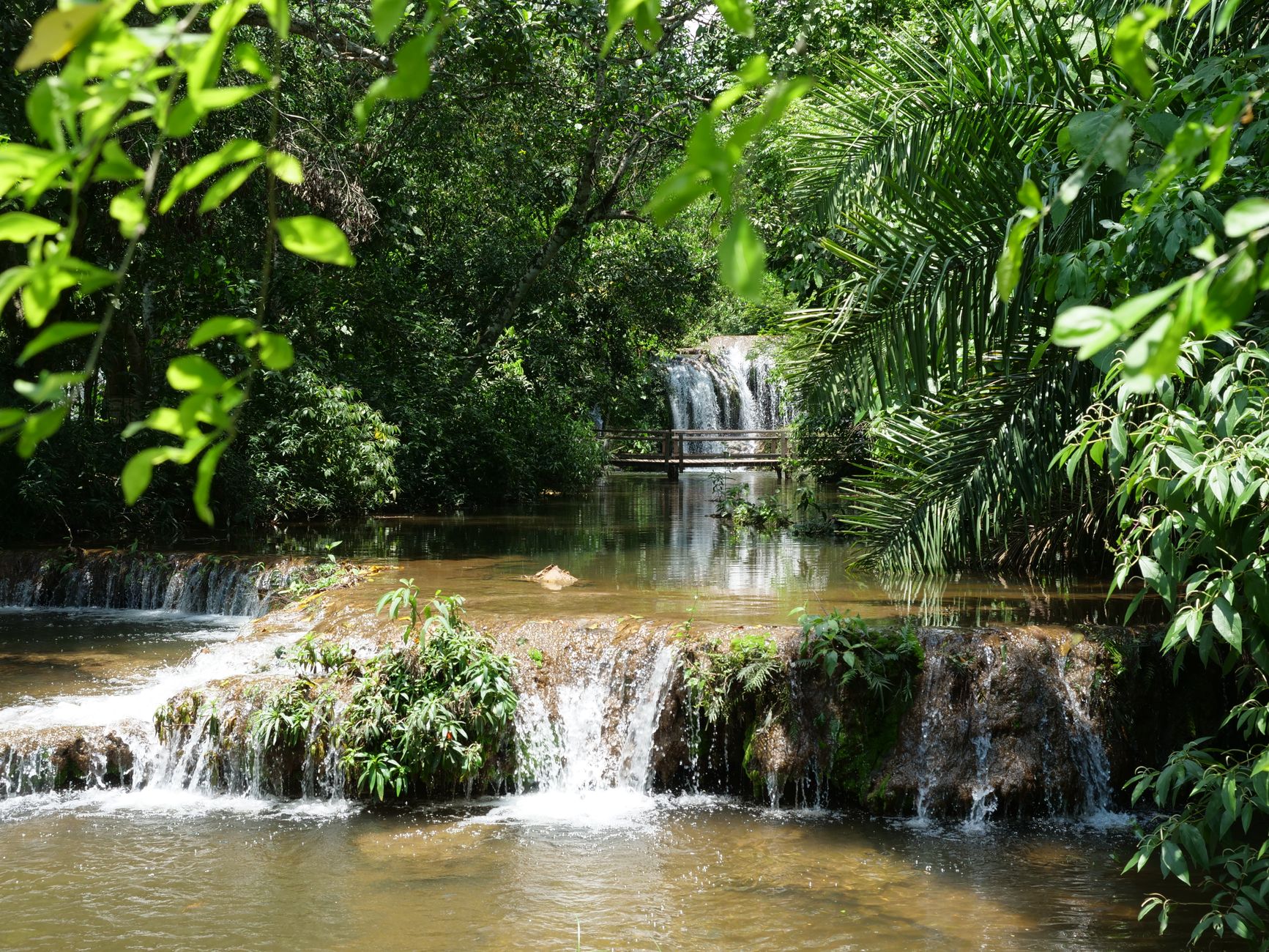
Accommodation in Colíder is made up mostly of mid-sized hotels aimed at both business travellers and tourists passing through. The MARINI PALACE HOTEL and Hotel Vitória are examples of options in town, useful whether you are staying just one night before continuing your trip or planning a longer stay in the region. There are also alternatives such as Amazônia Hotel, worth considering depending on where in town you want to be based. It is worth booking ahead during busier agricultural periods, when demand for rooms tends to rise.
Climate and the best time to visit
Like much of northern Mato Grosso, Colíder has a tropical climate, with a rainy season between November and March and a dry season from April to October. The dry season tends to be preferred by leisure travellers, since roads are in better condition and there is less risk of heavy rain disrupting travel around the region.
Local economy and atmosphere
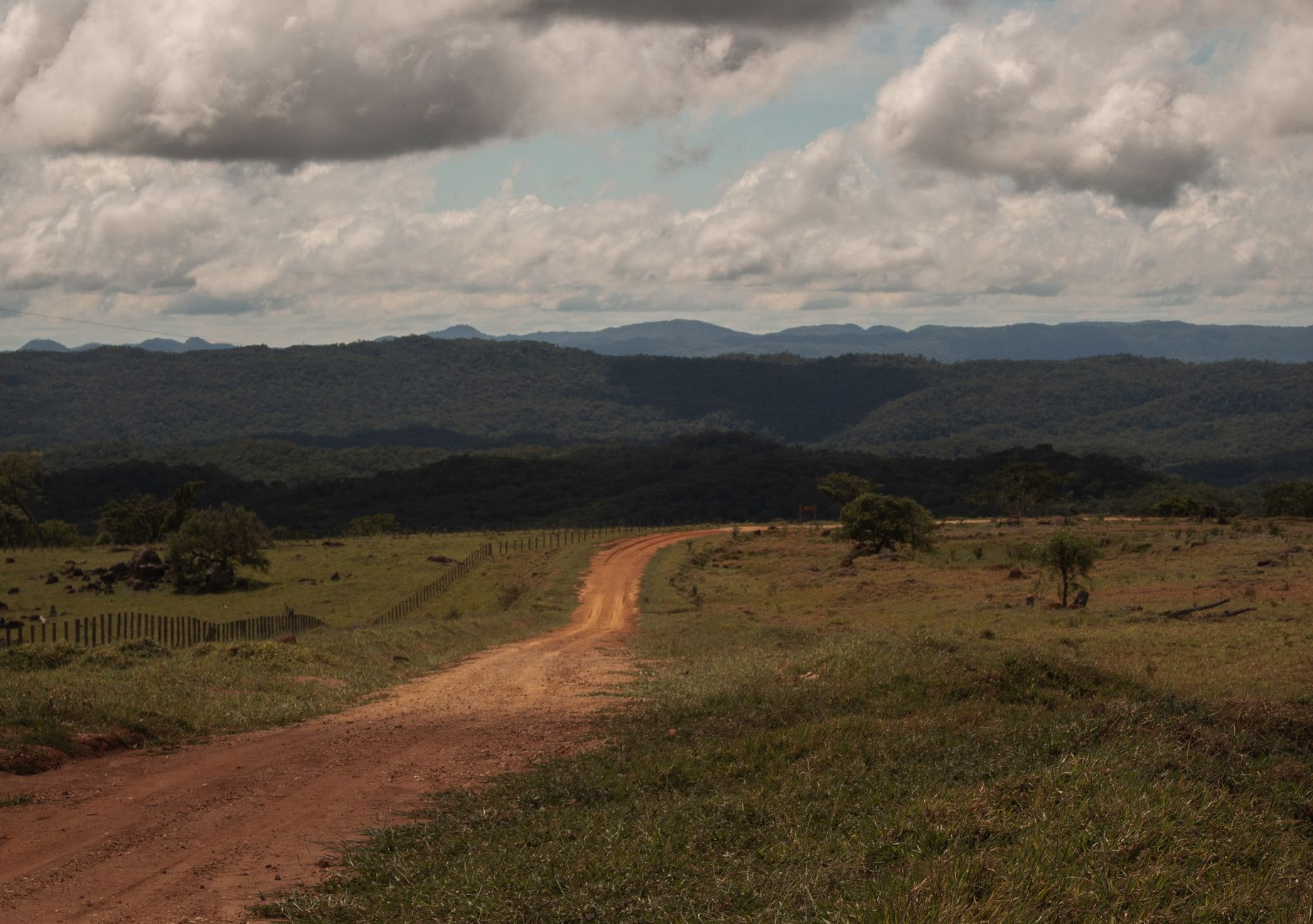
Colíder's economy is closely tied to agriculture, especially soybeans and corn, along with cattle ranching, activities that set the pace of the town and explain much of the traffic through local hotels and restaurants. This economic profile also shapes the food scene, with restaurants serving mostly home-style Brazilian cooking, grilled meats, and dishes typical of the country's central-northern region, generally at accessible prices compared to larger cities.
What to know before you go
- Colíder works mainly as a regional stopover and support hub rather than a mass tourism destination
- The dry season, from April to October, usually offers better travel conditions
- The Teles Pires River is the region's main natural landmark, closely tied to fishing
Mobile signal and internet access in Colíder are generally reliable within the town itself, though connectivity can become patchier once you head into more rural areas nearby. It is a good idea to download offline maps before heading out to explore the surrounding countryside or the riverside areas along the Teles Pires.
If you are planning a stop in Colíder, whether on a business trip or on the way to other destinations in northern Mato Grosso, compare the accommodation options available on TravelGuest and choose the one that best fits your itinerary.


